
Good morning. Officials said Vice President JD Vance would lead an American delegation back to Pakistan today for peace talks with Iran. But it’s not clear if the Iranians will show up.
There’s more on the war, the administration and other big stories below. (Plus, it’s Iggy Pop’s birthday.) But let’s start with the price of gas.
Pain at the pump
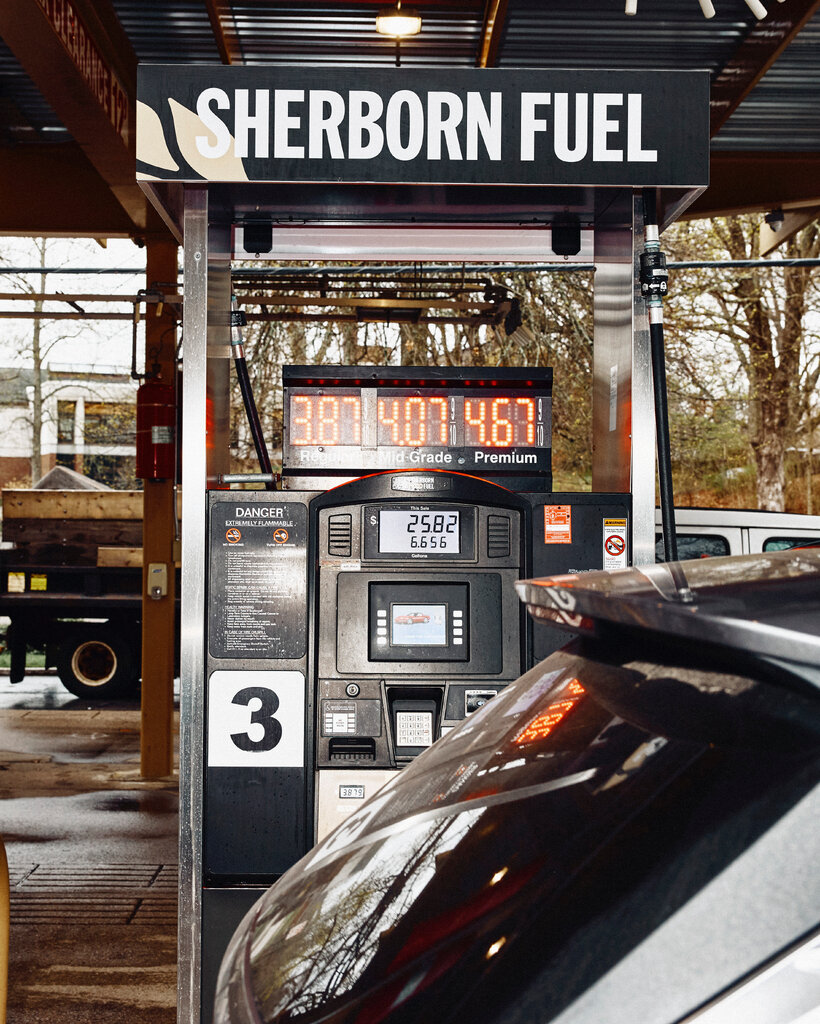
A lot of you are feeling this war at the gas pump. I sure am. It now costs me $106 to fill my full-size pickup truck at the neighborhood station. I know the owner a little, and I raised my eyebrows at him when I was done. He shrugged. It was clear drivers had been grinding him about it all day.
You read abstractions about the war in Iran, the Strait of Hormuz, the unstable oil market. Then you go pump 10 gallons into your minivan and experience what that means at home. Ouch.
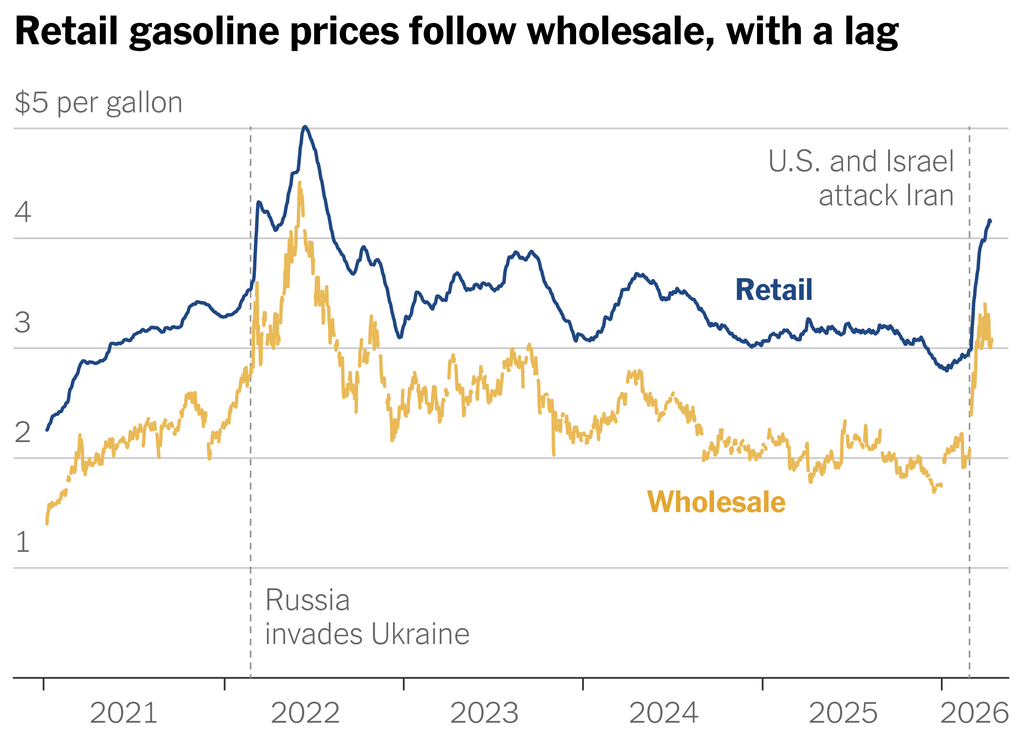
But don’t take it out on the station owner, Lydia DePillis told me. Lydia, who covers the American economy, reported on why price hikes at the filling station take so long to go away. When oil prices spike, profit margins shrink for businesses down the supply chain, she said. To recoup, they keep prices a little higher even as their costs shrink.
For her story, Lydia went deep on the math those gas station owners have to do as prices spike. She introduced readers to a Massachusetts gas station owner named Alex Weatherall:
He refills his tanks about every four days, and the “rack price” that his wholesale gasoline provider charges jumped to $3.347 per gallon last week from $2.398 on Feb. 25 — an increase of 39.6 percent. His last truckload cost $39,488.
Weatherall raised his price by only 33.8 percent: “He would charge more, but he feared losing business if his competitors did not follow,” Lydia wrote. “Fewer visits also mean lower sales at his convenience store and restaurant.”
Gas stations — and especially independently run ones like Weatherall’s — rely for much of their income on the snacks and sodas and cigarettes and beer they sell inside. “If I had to solely rely on fuel as my only source of profit, I wouldn’t stay in business,” another owner told Lydia. “I want the consumer to come in the store, and we do everything we can to entice them to come in.”
Feeling squeezed
Because those people who come into the store? They’re often regulars. They have relationships with the staff. They experience the gas station as a community hub. That can add to the pressure when it comes to setting prices — wherever you live. (Look at this map showing how much people pay in each state.)
My colleague Michael Barbaro, a host of “The Daily,” went to suburban Jacksonville, Fla., to hear about that pressure. He and his team spent time with a gas station manager named Cameron Joudi, who has had to ratchet up the price of his gas again and again. “He wasn’t repeatedly raising gas prices on strangers,” Michael said. “He was raising prices on people he really cares about. People who he knows are already stretched very thin.”
It’s hard, Joudi told Michael: “I hope they understand that I’m not pricing my gas to make a quick buck,” he said. “I’m pricing my gas how I need to price it in order to stay afloat.” Joudi said he makes around 10 cents to 15 cents per gallon he sells. His tank, Michael reported, holds around 8,000 gallons, which lasts a couple of weeks. That means a profit of between $800 and $1,200 — not a fortune.
But a rise can still hurt Joudi’s customers. “The Daily” spoke to one of them, a veteran who served in Afghanistan. Where did he get the money to cover the higher cost of his gas? From the grocery budget, he said:
We’ve been going to those food banks every now and then, which help out. I like those. A lot of local churches do help out, so that’s pretty nice. I have three kids. So I make sure that they eat first. So usually we’ll get all their food first.
Usually. Sometimes he and his wife don’t eat. Which is a good reminder: Pain at the pump is relative.
Related: Environmental groups are suing the Trump administration to stop BP from starting a new $5 billion drilling project in the Gulf of Mexico.
THE LATEST NEWS
War in the Middle East
- The U.S. Navy has turned back 27 ships trying to enter or leave Iranian ports since its blockade of the Strait of Hormuz began last week, military officials said.
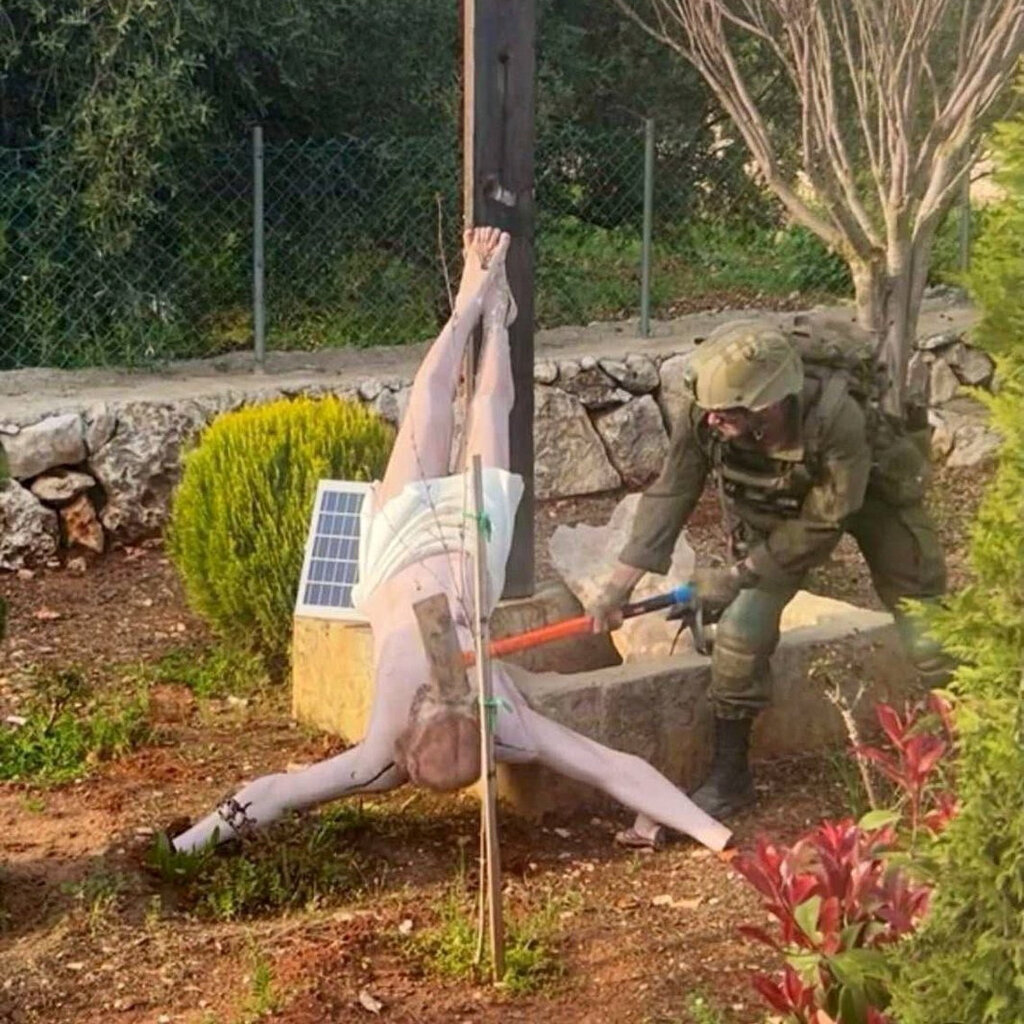
- An Israeli soldier was photographed swinging a sledgehammer at a statue of Jesus in southern Lebanon. The Israeli military says it is investigating
Politics
- Kash Patel, the F.B.I. director, is suing The Atlantic over an article that claimed his job was in jeopardy because of excessive drinking and impulsiveness.
- Trump’s labor secretary, Lori Chavez-DeRemer, is stepping down. She had been facing an internal inquiry into charges of misconduct.
Around the World
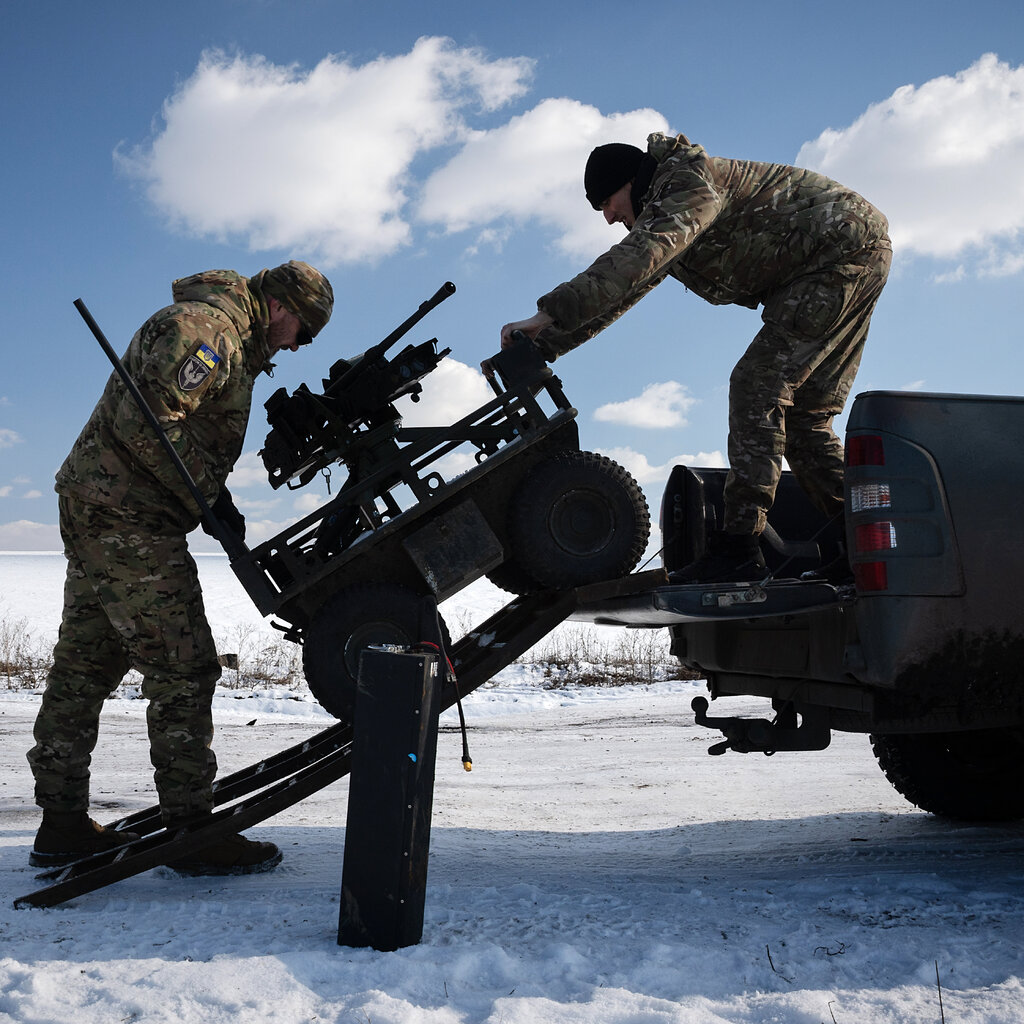
- Ukraine: The military is using ground-based robots to carry out assaults using guns, bombs and rockets while keeping its soldiers out of harm’s way.
- Mexico: A gunman killed a tourist and wounded several other people — including some Americans — at the Teotihuacán archaeological site outside Mexico City.
- Argentina: The country’s right-wing president, Javier Milei, tamed runaway inflation. Now he wants to transform Argentines’ values.
Business

- Tim Cook is stepping down as C.E.O. of Apple. John Ternus, the company’s head of hardware engineering, will replace him. (Who is Ternus? We explain.)
- California accused Amazon of price fixing, saying the company had pressured brands like Levi’s and Hanes to ask competing retailers to raise prices.