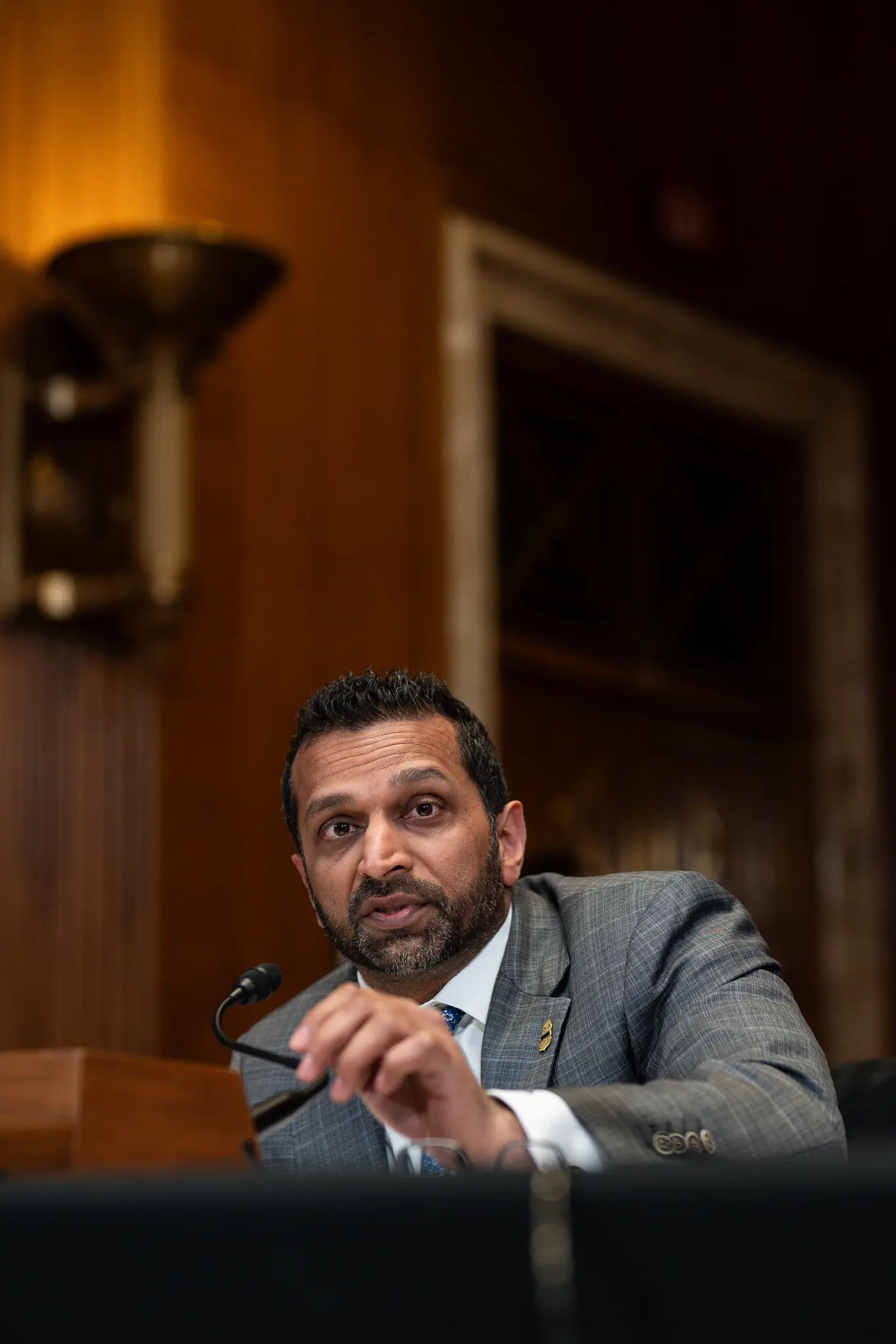
FBI Director Kash Patel is confronting a growing number of defamation lawsuits involving media outlets and public commentators, highlighting escalating tensions between senior Trump administration officials and the press over allegations of misconduct, reporting standards, and political accountability.
The latest developments come amid a broader pattern of legal clashes in which Patel has both filed lawsuits and defended himself against multiple defamation claims, particularly involving reporting on his leadership of the FBI and internal agency conduct.
Media Lawsuits Centre on Allegations of Misconduct Reporting
At the heart of the current wave of litigation is a series of articles and broadcasts that have raised questions about Patel’s professional behaviour, including claims related to workplace conduct, decision-making, and time management.
One of the most high-profile cases involves reporting that alleged:
- Excessive drinking during official duties
- Unexplained absences from FBI headquarters
- Concerns raised by current and former officials about leadership stability
- Internal frustration within parts of the Justice Department and FBI
Patel has strongly denied these claims and initiated legal action, arguing that the reporting was false and damaging to his reputation.
Patel’s Legal Strategy Expands Beyond a Single Case
Beyond his lawsuit against The Atlantic, Patel has been involved in multiple legal disputes targeting journalists, media organisations, and political commentators.
These cases broadly centre on:
- Alleged defamation in political reporting
- Statements made on television programmes about his behaviour
- Coverage linking him to internal FBI controversies
- Broader criticism of his leadership style and agency reforms
In several instances, courts have dismissed or limited cases, citing protections for opinion and rhetorical speech rather than verifiable factual claims.
Courts Often Uphold Strong Press Protections
Legal observers note that defamation cases involving public officials face a high legal threshold in the United States, requiring proof of “actual malice” — meaning the publisher knowingly made false statements or acted with reckless disregard for the truth.
Recent rulings involving Patel-related cases have reinforced:
- Strong First Amendment protections for opinion-based commentary
- Limits on defamation claims involving rhetorical or subjective statements
- Judicial reluctance to treat political commentary as factual assertion
- High evidentiary burden for public figures pursuing damages
One recent case involving televised remarks about Patel’s alleged nightlife habits was dismissed on the basis that no reasonable viewer would interpret the statements as literal fact.
Pattern of Legal Confrontations with the Press
The defamation disputes are part of a broader pattern in which Patel and other Trump administration figures have frequently engaged in litigation against media outlets.
This pattern reflects:
- Increasing hostility between federal officials and major news organisations
- Efforts to challenge negative reporting through courts rather than public rebuttal alone
- Rising legal costs and prolonged litigation cycles
- Intensified political polarisation around journalism and accountability
Critics argue that such lawsuits risk chilling investigative reporting, while supporters claim they are necessary to counter misinformation.
Broader Political and Institutional Context
The controversy surrounding Patel’s lawsuits is unfolding alongside wider political tension within Washington, including debates over election integrity, FBI reform, and media trust.
Observers say the situation reflects:
- A more adversarial relationship between government agencies and journalists
- The politicisation of law enforcement leadership roles
- Increased reliance on courts as a battleground for political disputes
- Growing public scepticism toward both media and federal institutions
Conclusion
Kash Patel’s expanding defamation battles underscore a broader shift in how political, legal, and media conflicts are being fought in the United States. With multiple lawsuits ongoing and courts consistently weighing First Amendment protections, the outcome of these cases may help define the boundaries between political criticism and actionable defamation in the years ahead.