
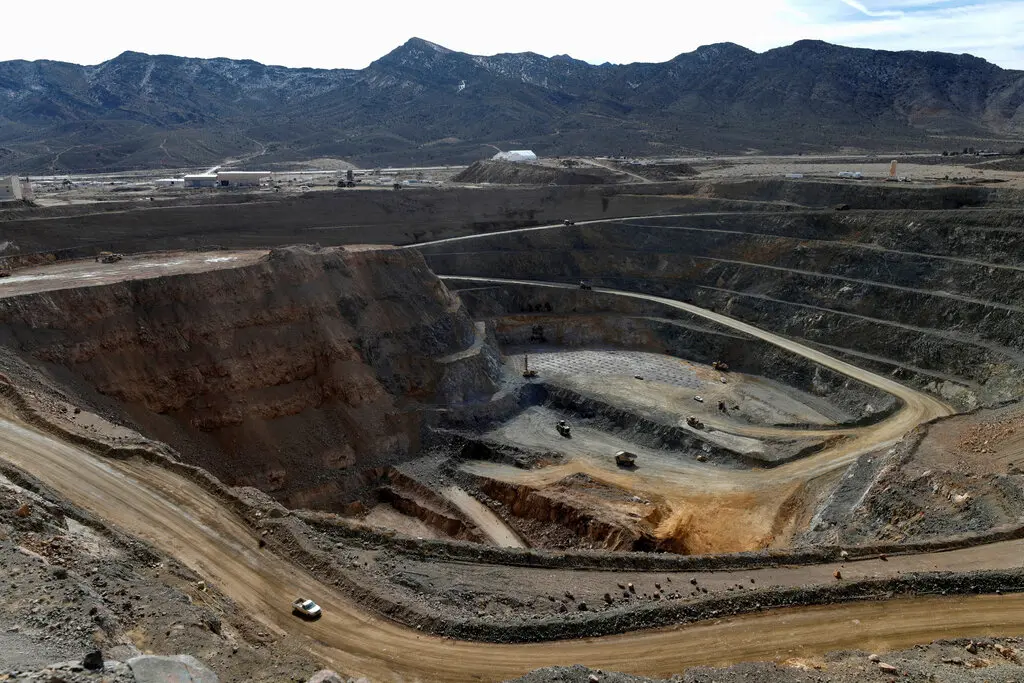
China continues to maintain a commanding position in the global rare earth industry, controlling much of the mining, processing, and refining capacity for the critical minerals that power modern technologies. As governments and industries seek to reduce dependence on Chinese supply chains, rare earths have become a major focus of economic, technological, and geopolitical competition.
The issue has gained renewed attention as demand for electric vehicles, renewable energy systems, advanced electronics, and defence technologies continues to rise worldwide.
What Are Rare Earth Elements?
Rare earth elements (REEs) are a group of 17 metallic elements used in a wide range of high-tech applications.
They are essential for:
- Electric vehicle motors
- Wind turbines
- Smartphones and consumer electronics
- Semiconductor manufacturing
- Military equipment and defence systems
- Aerospace technologies
Despite their name, many rare earth elements are relatively abundant in the Earth’s crust. The challenge lies in economically extracting and processing them.
China’s Dominance in the Supply Chain
Over the past several decades, China has built an extensive rare earth ecosystem that extends far beyond mining.
China’s advantages include:
- Large-scale mining operations
- Advanced processing and refining facilities
- Established manufacturing supply chains
- Significant government investment and support
- Lower production costs compared with many competitors
As a result, China remains the world’s leading producer and processor of rare earth materials, giving it considerable influence over global supply chains.
Why Rare Earths Matter to the Global Economy
Rare earth elements have become increasingly important because they support industries driving future economic growth.
Key sectors dependent on rare earths include:
Electric Vehicles
Permanent magnets made from rare earth materials improve motor efficiency and performance in electric vehicles.
Renewable Energy
Wind turbines require powerful rare earth magnets to generate electricity efficiently.
Consumer Technology
Smartphones, computers, speakers, and numerous electronic devices depend on rare earth components.
Defence and National Security
Advanced weapons systems, radar equipment, fighter aircraft, and communications technologies all require specialised rare earth materials.
Global Efforts to Reduce Dependence
Many countries are investing heavily in alternative sources of rare earth supply.
These initiatives include:
- Opening new mining projects
- Expanding domestic processing capabilities
- Creating strategic mineral reserves
- Supporting recycling programmes
- Strengthening partnerships with allied producers
Countries including the United States, Australia, Canada, Japan, and members of the European Union have launched long-term strategies aimed at diversifying supply chains.
Challenges Facing Alternative Suppliers
Despite growing investment, reducing dependence on China remains difficult.
Major obstacles include:
- High development costs for new mines
- Environmental concerns related to extraction
- Lengthy permitting and regulatory processes
- Limited refining infrastructure outside China
- Technical expertise requirements
Building competitive supply chains often takes many years and significant financial resources.
Economic and Geopolitical Implications
Rare earth minerals are increasingly viewed as strategic assets rather than ordinary commodities.
Their importance affects:
- International trade relationships
- Industrial policy decisions
- National security planning
- Clean energy transitions
- Technological competitiveness
As global demand continues to expand, competition for reliable access to these materials is expected to intensify.
Looking Ahead
Analysts expect demand for rare earth elements to grow significantly over the next decade, driven by accelerating adoption of electric vehicles, renewable energy infrastructure, artificial intelligence hardware, and advanced manufacturing technologies.
While China is likely to remain a dominant player in the near future, ongoing diversification efforts could gradually reshape the global rare earth landscape.
Conclusion
China’s leadership in rare earth production and processing continues to influence global technology, manufacturing, and national security strategies. As countries work to secure alternative sources and build resilient supply chains, rare earth elements will remain at the centre of economic and geopolitical discussions throughout the coming decade.