
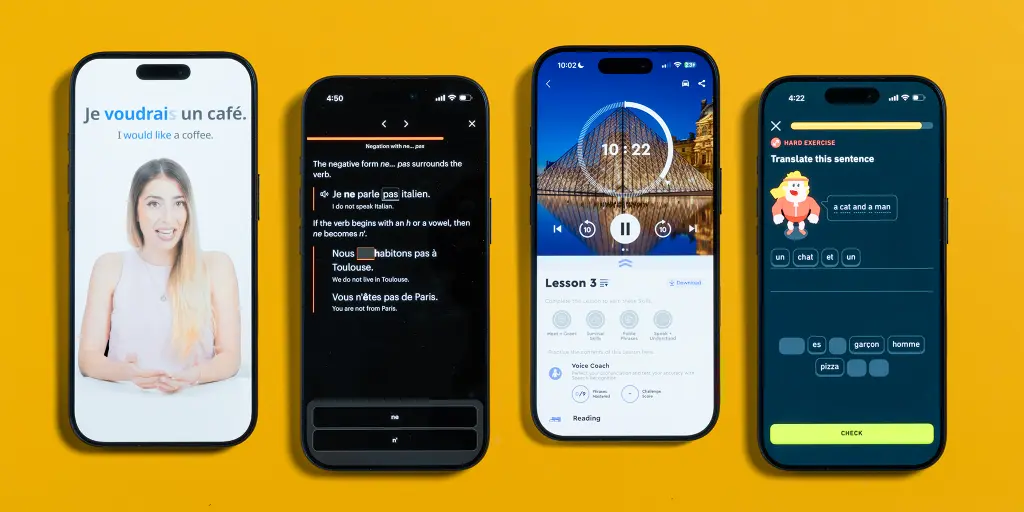
Learning a new language has become easier than ever thanks to smartphone apps that provide structured lessons, pronunciation practice, vocabulary training, and interactive exercises. However, not every language-learning app works the same way. Some are better for building daily habits, while others focus on grammar, conversation skills, or learning from native speakers.
The best language learning app depends on your goals, whether you want to prepare for travel, improve speaking confidence, study for work, or build long-term fluency. While apps can provide a strong foundation, real conversations and consistent practice remain essential for becoming fluent.
What Makes a Good Language Learning App?
A quality language-learning app should offer more than vocabulary memorization. The most effective platforms combine several learning methods:
- Structured lessons
- Listening practice
- Speaking exercises
- Grammar explanations
- Vocabulary repetition
- Real-world conversations
- Progress tracking
Different learners have different needs, so choosing the right app is often more important than choosing the most popular one.
Duolingo: Best for Building a Daily Learning Habit
Duolingo is one of the most popular language-learning apps worldwide because of its simple design and game-like learning system.
The app uses short lessons, rewards, streaks, and progress tracking to encourage users to practice every day. This makes it especially useful for beginners who struggle with consistency.
Advantages of Duolingo
- Free version available
- Fun and interactive lessons
- Short daily exercises
- Wide range of languages
- Good for beginners
Limitations
While Duolingo is excellent for vocabulary and basic sentence structures, users may need additional speaking practice to become conversationally fluent.
Babbel: Best for Structured Lessons and Grammar
Babbel focuses on practical conversations and structured courses designed by language experts.
Unlike heavily gamified apps, Babbel places more emphasis on grammar, realistic dialogues, and everyday communication. It is often recommended for learners who prefer a classroom-style approach.
Advantages of Babbel
- Clear grammar explanations
- Real-life conversation lessons
- Practical vocabulary
- Structured learning paths
- Professional course design
Best For
Babbel is ideal for learners who want a more serious approach and prefer understanding how a language works rather than only memorizing phrases.
Memrise: Best for Learning From Native Speakers
Memrise focuses on vocabulary development and real-world language exposure.
One of its strongest features is the use of videos from native speakers, allowing learners to hear different accents and natural speech patterns.
Advantages of Memrise
- Native speaker videos
- Real pronunciation examples
- Useful everyday phrases
- Visual memory techniques
Best For
Memrise works well for learners who want to improve listening skills and become familiar with how people actually speak.
Busuu: Best for Native Speaker Feedback
Busuu combines structured lessons with opportunities for community interaction.
A major advantage is that learners can receive corrections and feedback from native speakers, helping improve writing and speaking accuracy.
Advantages of Busuu
- Personalized learning plans
- Native speaker corrections
- Grammar lessons
- Speaking exercises
Best For
Busuu is suitable for learners who want feedback and a more social learning experience.
Pimsleur: Best for Audio-Based Learning
Pimsleur focuses heavily on listening and speaking practice through audio lessons.
The method is designed for learners who want to develop conversational ability while commuting, exercising, or completing daily activities.
Advantages of Pimsleur
- Strong speaking focus
- Hands-free learning
- Useful pronunciation practice
- Natural conversation approach
Best For
It is especially useful for travelers and people who want to speak quickly without spending much time reading grammar rules.
Can Language Apps Make You Fluent?
Language apps are valuable tools, but they usually cannot replace real conversations.
Apps are excellent for:
- Learning vocabulary
- Practicing pronunciation
- Understanding basic grammar
- Building confidence
However, advanced fluency requires:
- Speaking with native speakers
- Listening to real conversations
- Reading authentic content
- Practicing regularly
Experts often recommend combining apps with other learning methods for better results.
How to Choose the Right Language Learning App
Before selecting an app, consider your main goal.
For Beginners
Choose apps that make learning simple and enjoyable:
- Duolingo
- Memrise
These are good for building vocabulary and creating a daily habit.
For Speaking Practice
Choose apps focused on conversation:
- Babbel
- Pimsleur
- Busuu
These provide more practical communication skills.
For Travel
Travelers should focus on apps that teach:
- Common phrases
- Pronunciation
- Everyday conversations
Apps can help you order food, ask directions, and communicate basic needs while abroad.
For Professional Language Skills
People learning a language for work should prioritize:
- Grammar accuracy
- Business vocabulary
- Writing skills
- Conversation practice
Structured platforms such as Babbel or Busuu may be better choices.
Tips to Learn Faster With Language Apps
Using an app consistently is more important than completing long sessions occasionally.
Follow these strategies:
Practice Every Day
Even 10 to 20 minutes daily can create steady progress.
Speak Out Loud
Do not only read answers. Practice pronunciation and speaking.
Combine Multiple Resources
Use apps alongside:
- Podcasts
- Books
- Movies
- Native speakers
- Online communities
Focus on Real Usage
Learn words and phrases you will actually use in daily conversations.
Final Thoughts
The best language learning app depends on your personal goals and learning style. Duolingo is excellent for beginners who want motivation and consistency, Babbel is strong for structured learning, Memrise helps with natural listening, and Busuu provides valuable feedback from native speakers.
Language apps can make learning more accessible and enjoyable, but true fluency comes from combining technology with real communication and regular practice.