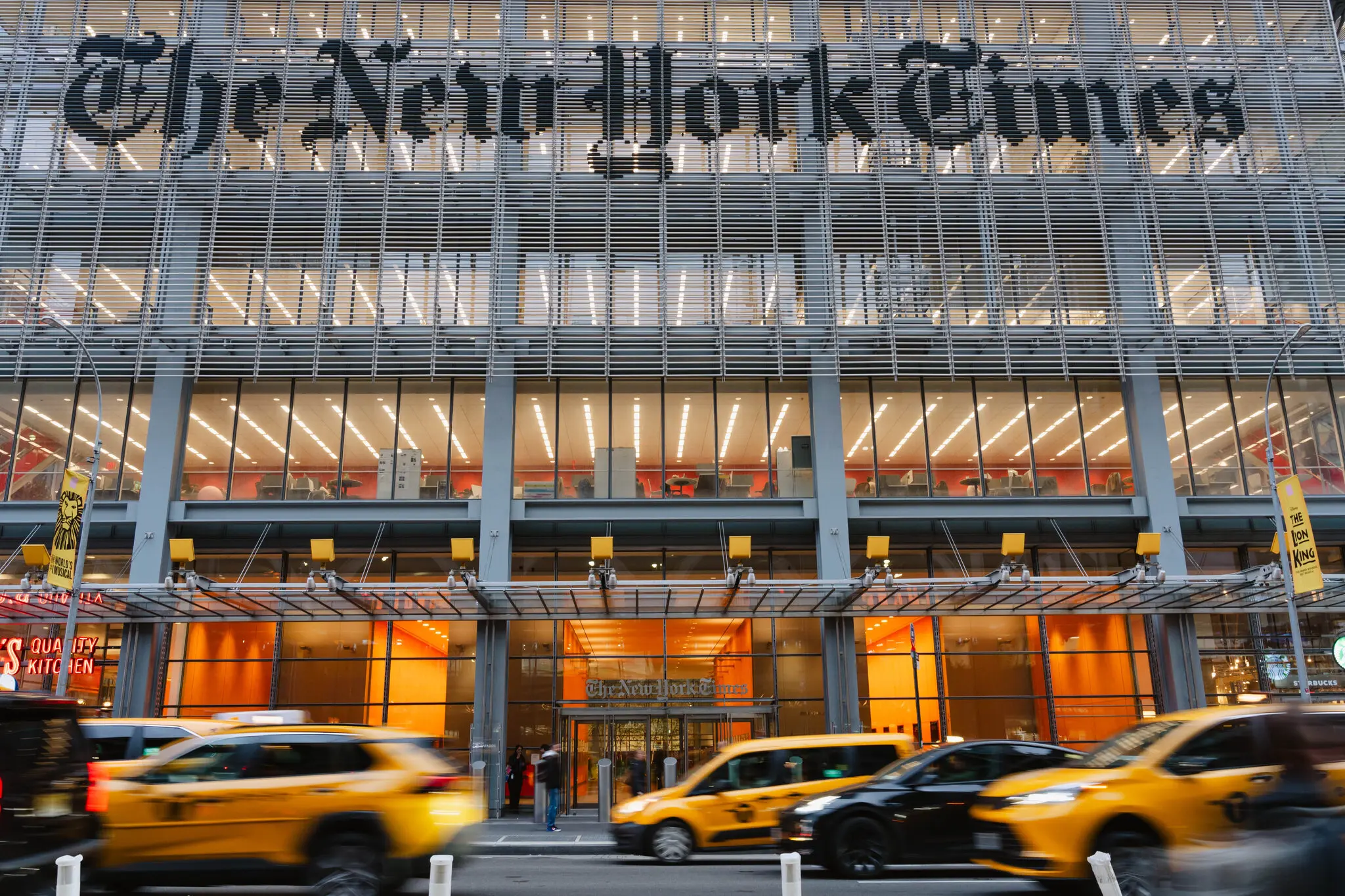
The U.S. Department of Justice has withdrawn subpoenas targeting New York Times journalists after a federal judge questioned the government’s handling of the legal requests and raised concerns about the procedures used to obtain reporter records. The subpoenas were connected to an investigation into articles published by The Times about security concerns surrounding a Qatari-provided aircraft used by President Donald Trump.
The case has become a major discussion point in the ongoing debate over press freedom, government investigations, and protections for confidential journalistic sources.
Why the DOJ Issued the Subpoenas
The subpoenas were part of an investigation into how information about the new aircraft reached journalists.
The investigation focused on reporting related to a Qatari-gifted Air Force One replacement and concerns about its security features. The Justice Department sought information from journalists, including communications records and possible testimony about confidential sources.
The Times argued that forcing reporters to reveal sources would threaten fundamental principles of investigative journalism and create a chilling effect on future reporting.
Federal Judge Questions Government’s Actions
During a court hearing, U.S. District Judge Arun Subramanian challenged the government’s approach and questioned whether proper procedures had been followed before issuing the subpoenas.
The judge criticized the legal process used by prosecutors and suggested that subpoenas directed at journalists should only be used after other investigative options have been exhausted.
Following the hearing, prosecutors agreed to withdraw the subpoenas.
Concerns Over Press Freedom
The withdrawal of the subpoenas has renewed debate over the relationship between government investigations and independent journalism.
Journalists often rely on confidential sources to report on government actions, national security issues, and other sensitive matters. Legal demands for source information can create concerns that sources may become less willing to share information with reporters.
Press freedom advocates argued that the case demonstrated the importance of protecting journalists from unnecessary government pressure.
Government Admits Legal Errors
Justice Department officials acknowledged mistakes in the handling of the subpoenas.
Reports indicated that some records requests involved phone information connected to journalists and family members, creating additional criticism over the scope of the investigation.
The government maintained that the investigation itself remains active, but agreed to withdraw the specific subpoenas after the court challenge.
Impact on Investigative Journalism
The case highlights a long-running issue in journalism: how governments balance national security investigations with protections for a free press.
Investigative reporting often depends on confidential sources who provide information about:
- Government decisions
- Internal disputes
- Security concerns
- Policy failures
- Public-interest issues
Without source protection, journalists argue that important information may never reach the public.
Political Debate Around the Case
The dispute has also become part of broader political tensions between the Trump administration and major news organizations.
Supporters of the investigation argue that governments must be able to investigate possible leaks of sensitive information.
Critics argue that aggressive legal actions against journalists risk undermining press independence and could discourage reporting on government activities.
What Happens Next
Although the subpoenas have been withdrawn, the broader investigation has not necessarily ended.
Future developments could include:
- Additional legal requests following proper procedures
- Continued debate over reporter protections
- Further court challenges involving press freedom
- New discussions about government oversight of classified information
The case may influence future decisions about how federal agencies investigate leaks involving journalists.
Conclusion
The withdrawal of subpoenas against New York Times reporters represents a significant moment in the debate over press freedom and government power.
The dispute highlights the difficult balance between protecting national security information and preserving journalists’ ability to investigate and report without undue pressure.
As governments continue to investigate leaks and sensitive disclosures, the case may become an important reference point in discussions about the rights of journalists and the limits of government authority.