The ongoing Iran war has become one of the biggest challenges facing the Trump administration, creating unexpected political, economic, and foreign policy complications. What was initially presented as a campaign to achieve strategic goals in the Middle East has developed into a prolonged conflict that is affecting domestic priorities and raising questions about the administration’s long-term plans.
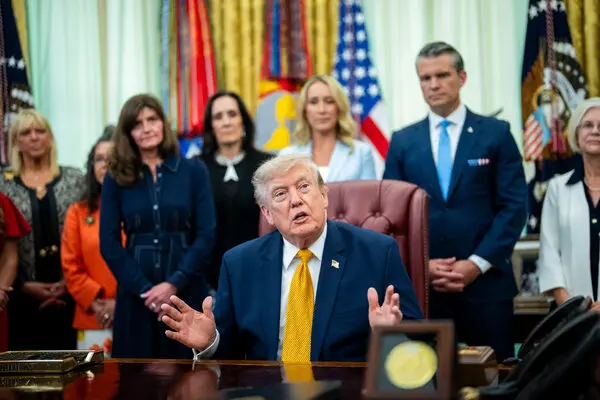
The conflict has created pressure on President Donald Trump as his administration attempts to balance military objectives, diplomatic efforts, economic concerns, and public expectations. Rising tensions around Iran, uncertainty over negotiations, and disruptions to global energy markets have made the war a central issue in Washington.
Iran War Becomes a Major Political Challenge for Trump
The Iran conflict has complicated the Trump administration’s broader domestic and international agenda.
Before the war, the administration focused heavily on issues such as:
- Economic growth
- Immigration policies
- Government restructuring
- Trade negotiations
- Domestic political priorities
However, a prolonged military conflict requires significant attention from the White House, limiting political space for other initiatives.
The administration now faces difficult questions about the war’s objectives, timeline, and potential exit strategy.
Military Success Does Not Guarantee Political Victory
The Trump administration has argued that military action against Iran was necessary to protect U.S. security interests and prevent threats from Tehran.
However, military operations have created new challenges.
A conflict can achieve battlefield objectives while still creating political problems, including:
- Rising costs
- Increased regional instability
- Risk to American personnel
- Pressure from lawmakers
- Public concern about escalation
The longer the conflict continues, the more difficult it becomes for the administration to present it as a quick success.
Diplomatic Efforts Face Major Obstacles
One of the biggest complications is the uncertainty surrounding negotiations between Washington and Tehran.
President Trump has indicated that diplomatic discussions are possible, while Iranian officials have disputed claims about direct negotiations and emphasized separate discussions involving regional mediators.
The disagreement highlights the difficulty of reaching a diplomatic solution while military pressure continues.
Key obstacles include:
- Nuclear issues
- Sanctions
- Military activities
- Regional influence
- Control of strategic waterways
Strait of Hormuz Creates Global Economic Pressure
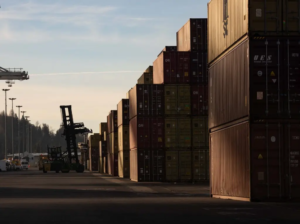
The conflict has affected one of the world’s most important energy routes: the Strait of Hormuz.
The waterway is critical for global oil shipments, and uncertainty around access has increased concerns about energy prices and international trade.
The economic impact extends beyond the Middle East.
Potential consequences include:
- Higher fuel prices
- Increased transportation costs
- Inflation concerns
- Pressure on global markets
These economic effects could influence public opinion inside the United States.
Trump Faces Growing Questions From Congress
The Iran war has increased debate in Washington over presidential war powers and congressional oversight.
Some lawmakers argue that extended military operations require stronger congressional involvement, while supporters of the administration say decisive action is necessary to protect American interests.
The political divide reflects a larger debate:
Should the United States continue military pressure, or should it prioritize diplomatic negotiations?
Impact on Trump’s Domestic Agenda
A major foreign conflict can reshape a president’s political priorities.
The Iran war has forced the administration to spend more time on:
- National security meetings
- Military decisions
- International diplomacy
- Crisis management
This has created challenges for advancing domestic policy goals.
Political analysts often note that foreign policy crises can either strengthen a president’s leadership image or create vulnerability if voters believe the conflict lacks clear direction.
Public Opinion Becomes Increasingly Important
As the conflict continues, public opinion may become a significant factor.
Americans often evaluate foreign conflicts based on:
- Clear objectives
- Financial costs
- Military casualties
- Economic effects
- Chances of success
A prolonged conflict without a visible resolution could create political pressure on the administration.
Regional Allies Face Difficult Choices
The war has also complicated relationships with U.S. allies in the Middle East.
Countries in the region are balancing:
- Security cooperation with the United States
- Economic stability
- Avoiding wider conflict
Gulf countries have expressed concerns that escalation could threaten regional stability and energy markets.
Diplomatic support from allies may become increasingly important as the conflict continues.
The Challenge of Defining an End Strategy
One of the biggest questions surrounding the Iran war is how it ends.
Military campaigns often become more difficult after initial operations because long-term goals require political solutions.
The administration must answer several key questions:
- What conditions would end the conflict?
- How will regional stability be restored?
- What role will diplomacy play?
- How long will U.S. forces remain involved?
Without clear answers, political pressure is likely to increase.
Possible Outcomes for the Trump Administration
Several scenarios could shape the future:
A Diplomatic Agreement
A negotiated settlement could allow Trump to present the conflict as a successful pressure campaign.
A Longer Military Conflict
Continued fighting could increase economic and political costs.
Regional Escalation
Further attacks could involve additional countries and expand the crisis.
A Gradual De-escalation
Both sides may reduce tensions without reaching a major agreement.
Conclusion
The Iran war has become a major complication for the Trump administration, affecting foreign policy goals, domestic priorities, economic conditions, and political strategy.
While the administration continues to argue that pressure on Iran serves U.S. interests, the conflict has created difficult challenges involving diplomacy, regional stability, and public support.
The future of the war may depend not only on military developments but also on whether Washington and Tehran can find a path toward negotiations and long-term stability.