
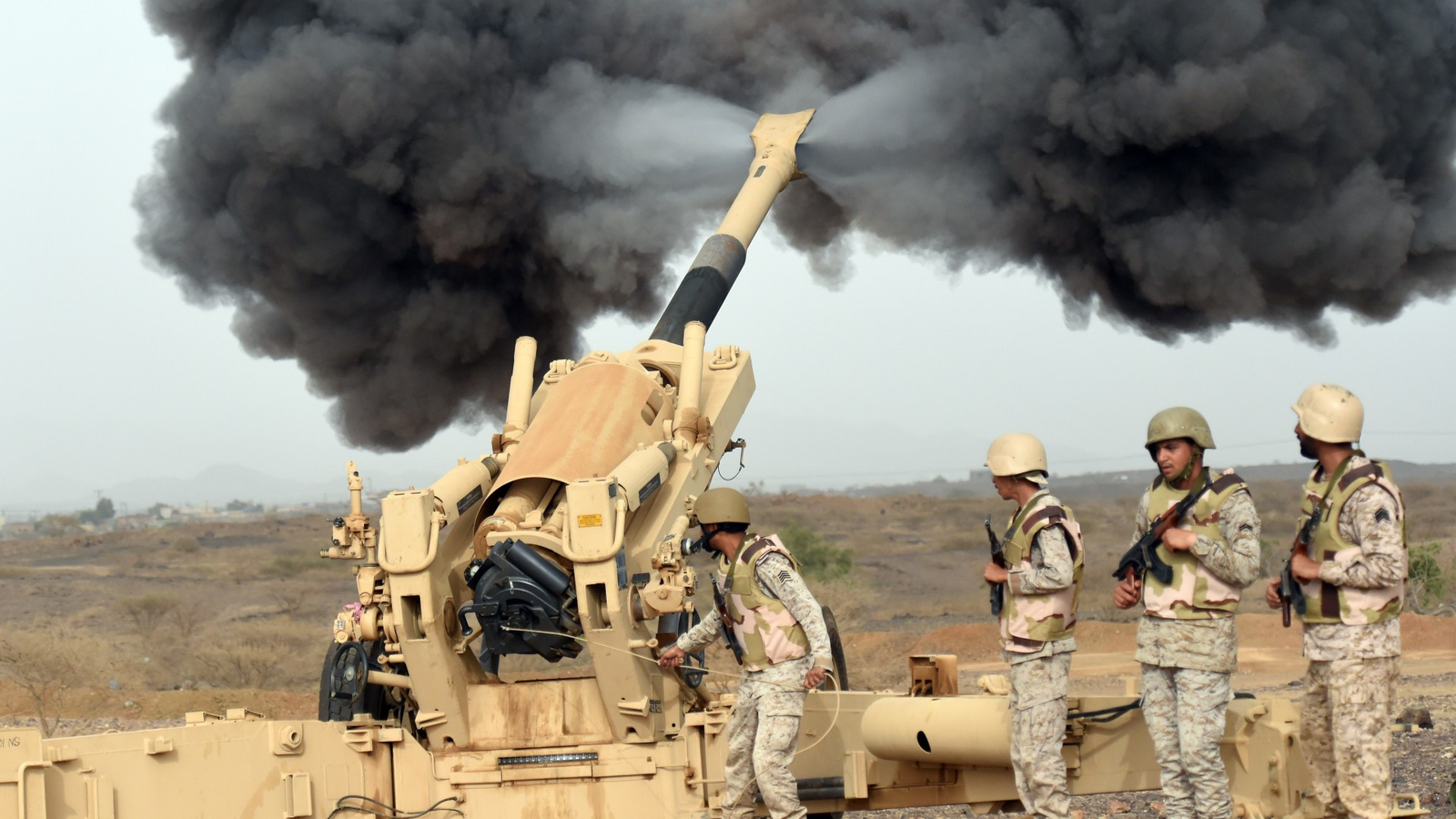
The conflict in Yemen is intensifying as Iran-aligned Houthi forces continue attacks on Saudi Arabia while expanding their control along Yemen’s Red Sea coast. The escalation has raised concerns about regional security, global oil supplies and the future of shipping through the strategic Bab el-Mandeb Strait.
The renewed fighting is also creating a growing humanitarian crisis. The United Nations says more than 100,000 people have been displaced inside Yemen, while thousands more have attempted to flee across the Red Sea toward Djibouti.
Houthis Continue Attacks on Saudi Arabia
Houthi forces have launched a series of attacks against Saudi targets as fighting has expanded.
Saudi Arabia issued broad security alerts on September 15, including in Mecca and Jeddah, following recent attacks by Iran-aligned Houthi forces. Saudi authorities said the alerts were later lifted without confirmed impacts.
The attacks represent a significant escalation after years of relative calm between Saudi Arabia and the Houthis.
The renewed conflict is taking place alongside the wider confrontation between Iran and the United States, adding another potential front to the regional crisis.
Houthi Forces Expand Along the Red Sea
The Houthis have also made territorial gains along Yemen’s western coastline.
Reuters reported that Houthi forces captured the port city of Mocha and advanced toward strategically important areas near the Bab el-Mandeb Strait. The group has also taken control of islands in the Red Sea.
The Bab el-Mandeb Strait is a major maritime chokepoint connecting the Red Sea with the Gulf of Aden. Any prolonged disruption could affect international shipping and energy markets.

Saudi Oil Supplies Face New Pressure
One of the biggest concerns is the effect on Saudi Arabia’s oil exports.
Saudi Arabia has used its East-West pipeline to move oil from its eastern fields toward the Red Sea, providing an alternative route when shipping through the Strait of Hormuz is disrupted.
However, the pipeline was recently damaged in an attack and is expected to remain largely out of service for weeks while repairs are carried out.
The combination of pipeline damage and growing Houthi control near the Red Sea could make it more difficult to move Saudi crude to international markets.
Oil Prices Rise
The security situation is already affecting energy markets.
Reuters reported that Brent crude moved above $108 per barrel as investors assessed the risks to global oil supplies. The potential disruption of both the Strait of Hormuz and Red Sea routes has increased uncertainty in international energy markets.
Higher oil prices can have wider economic consequences.
Rising crude prices can increase:
- Fuel costs
- Transportation expenses
- Shipping rates
- Manufacturing costs
- Consumer prices
This means a conflict centered in Yemen can eventually affect businesses and consumers far beyond the Middle East.
Humanitarian Crisis Grows
The military escalation is also creating serious consequences for Yemeni civilians.
More than 100,000 people have been displaced as fighting intensifies, according to the United Nations refugee agency. Some civilians are attempting dangerous journeys across the Red Sea to reach Djibouti.
Humanitarian organizations are facing difficulties delivering assistance because of insecurity, damaged infrastructure and restrictions on movement.
The fuel shortage is making the situation even harder for people trying to escape the fighting.
Saudi Arabia Seeks Regional Support
Saudi Crown Prince Mohammed bin Salman has sought regional support as the Houthi attacks intensify.
He met Egyptian President Abdel-Fattah el-Sissi in Cairo as Saudi Arabia attempts to build diplomatic backing amid growing threats to its security and oil-export routes.
Egypt is particularly important because of its role in regional diplomacy and its control of the northern end of the Red Sea through the Suez Canal.
Why the Crisis Matters Globally
The Yemen conflict is no longer only a domestic or regional security issue.
The country’s location gives the Houthis potential leverage over one of the world’s most important shipping corridors.
The Bab el-Mandeb connects the Red Sea to the Gulf of Aden, while the Red Sea provides access to the Suez Canal. Disruption can force ships to take longer routes around Africa, increasing fuel consumption, delivery times and insurance costs.
The situation is particularly significant because the Strait of Hormuz is also experiencing disruption. Reuters has described the simultaneous pressure on these two routes as a major threat to global energy markets.
What Happens Next?
The next stage of the crisis will depend on several developments:
- Whether Houthi forces continue attacking Saudi targets
- Whether Saudi Arabia expands military operations
- Whether the Houthis maintain their territorial gains
- Whether commercial ships continue using the Red Sea
- How quickly Saudi Arabia repairs its damaged pipeline
- Whether diplomatic efforts can reduce the fighting
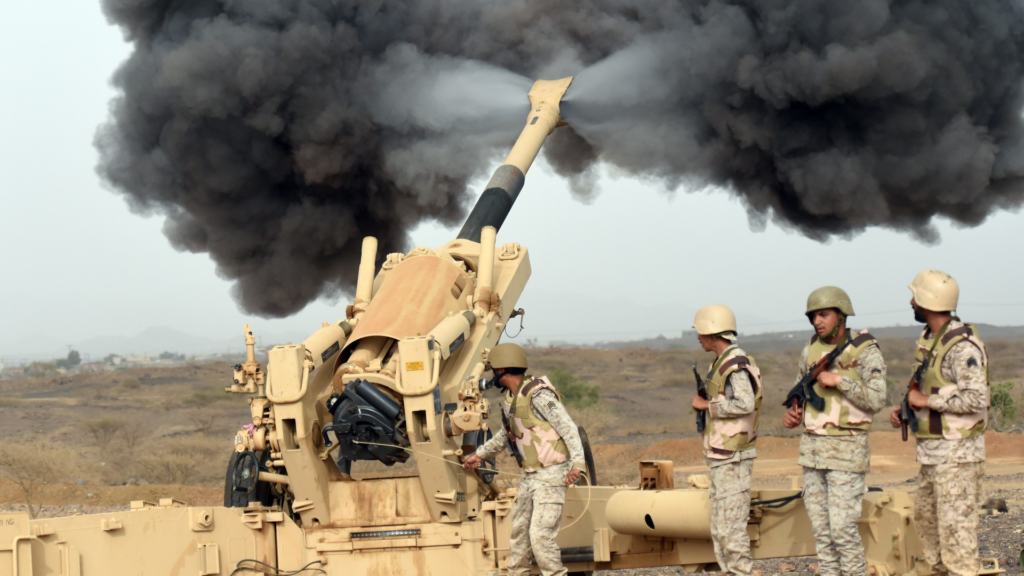
A prolonged conflict could increase pressure on global oil markets and further worsen Yemen’s humanitarian situation.
Conclusion
The escalating conflict between the Houthis and Saudi Arabia is creating growing security, humanitarian and economic concerns. Houthi territorial gains along Yemen’s Red Sea coast have increased pressure around the Bab el-Mandeb Strait, while attacks on Saudi targets are threatening important energy infrastructure.
With more than 100,000 people displaced and global oil prices facing renewed pressure, the Yemen crisis has consequences far beyond the country itself.
The coming weeks will be important for determining whether the conflict develops into a broader regional confrontation or whether diplomatic efforts can prevent further escalation.