
Trump Considers Strikes on Houthis as Yemen Crisis Escalates
President Donald Trump considered ordering U.S. airstrikes against Yemen’s Houthi movement over the weekend but ultimately decided not to proceed, according to U.S. officials cited by Axios and reporting from Reuters. The deliberations came after Saudi Arabia repeatedly asked Washington for military assistance as Houthi forces advanced toward the strategically important Bab el-Mandeb Strait.
The decision highlights the difficult choices facing the Trump administration as fighting in Yemen becomes increasingly connected to the wider Middle East conflict.
Trump Weighed Military Action
According to U.S. officials, Trump consulted senior advisers over the weekend about possible strikes against Houthi positions.
The commander of U.S. Central Command, Adm. Brad Cooper, reportedly prepared potential airstrike options and presented them to Defense Secretary Pete Hegseth. Trump ultimately decided to hold off on the strikes for now.
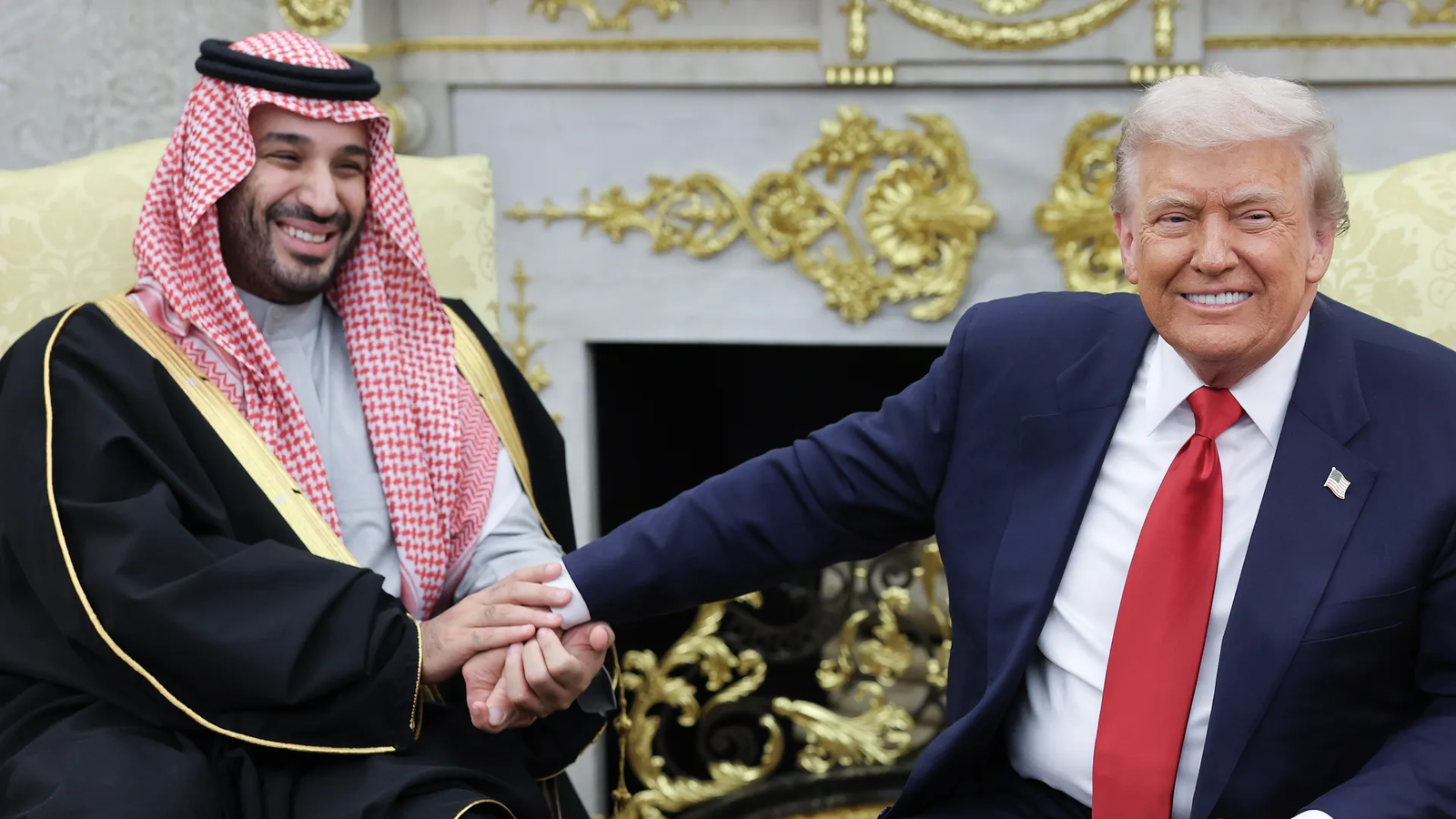
The reported decision followed repeated requests from Saudi Crown Prince Mohammed bin Salman for greater U.S. involvement against the Houthis.
Earlier in September, Trump had declined Saudi requests for direct military intervention and instead agreed to provide intelligence and targeting assistance.
Why Saudi Arabia Wants U.S. Support
Saudi Arabia and Saudi-backed Yemeni forces have been fighting to push back against a rapid Houthi advance.
The Houthis have captured important territory along Yemen’s Red Sea coast and moved closer to the Bab el-Mandeb Strait, a critical maritime chokepoint connecting the Red Sea with the Gulf of Aden.
The waterway is particularly important because it is used by international commercial shipping and provides a route toward the Suez Canal.
Saudi Arabia is also concerned about attacks on its territory and energy infrastructure.
Houthis Continue Their Advance
While Washington debated military action, Houthi forces continued attempting to capture strategic high ground in Yemen.
Reuters reported on September 21 that Houthi fighters were pushing to seize positions that could help them cut off Yemen’s Red Sea coast from areas still held by Saudi-backed forces.
The group has also been fighting Saudi-backed forces in areas around Taiz and other strategic locations.
The latest territorial gains have increased concerns about the Houthis’ ability to establish long-term control around Bab el-Mandeb.
Houthis Say They Will Not Target U.S. Ships
Following reports that Trump had cancelled the planned strikes, a senior Houthi official said the group had assured Washington that it would not target U.S. vessels in the Red Sea.
Houthi political bureau member Mohamed al-Bukhaiti said Washington had contacted the group after its advance toward Bab el-Mandeb.
However, the broader maritime situation remains uncertain. The Houthis have continued to threaten Saudi-linked shipping while saying that other international vessels would not be targeted.
Trump Faces a Wider Regional Dilemma
The decision comes as the United States is already deeply involved in the broader conflict with Iran.
Direct U.S. strikes against the Houthis could create another military front and potentially increase risks around the Red Sea.
The possibility of further escalation is particularly significant because the Strait of Hormuz is also facing disruption. A simultaneous crisis around Hormuz and Bab el-Mandeb could place additional pressure on global energy supplies and shipping.
Analysts cited by Axios said one concern was that U.S. attacks could encourage the Houthis to place the Bab el-Mandeb Strait at greater risk.
Yemen’s Government Requests U.S. Support
Yemeni President Rashad al-Alimi also spoke with Trump by telephone on September 20.
Al-Alimi requested U.S. support for his internationally recognized government as it fights the Houthis. According to sources cited by Reuters, Trump did not make a direct pledge of military support during the call.
The United States has instead increased intelligence and targeting assistance to Saudi Arabia while stopping short of launching a new campaign of airstrikes.
Humanitarian Crisis Deepens
The renewed fighting is also worsening Yemen’s humanitarian situation.
The United Nations has reported that at least 125,000 people have been displaced since the beginning of September, according to the Guardian’s September 21 reporting. Taiz has received a particularly large number of displaced people.
Continued fighting around major roads, ports and coastal areas could make it more difficult for humanitarian organizations to deliver assistance.
Why Bab el-Mandeb Matters
The Bab el-Mandeb Strait is one of the world’s important maritime chokepoints.
Ships traveling between the Indian Ocean and the Mediterranean can use the Red Sea and Suez Canal route, making the waterway strategically important for global trade.
Further disruption could lead to:
- Higher shipping costs
- Longer shipping routes
- Increased insurance premiums
- Pressure on oil supplies
- Higher energy prices
- Delays in international trade
The risks are particularly important for Saudi Arabia because the kingdom relies on Red Sea routes as an alternative pathway for some oil exports when Persian Gulf routes are disrupted.
What Happens Next?
The key question is whether Trump will continue to avoid direct military action or reconsider if the Houthi advance threatens Saudi Arabia or international shipping.
Important developments to watch include:
- Further Houthi territorial gains
- New attacks on Saudi Arabia
- Security around Bab el-Mandeb
- Saudi military operations
- U.S. intelligence support
- Any new Houthi attacks on international shipping
- Diplomatic contacts between Washington and the Houthis
For now, the United States has stopped short of launching the strikes reportedly considered over the weekend.
Conclusion
Trump’s decision to hold off on potential strikes against the Houthis comes at a critical moment for Yemen and the wider Middle East. Houthi forces are expanding their position along Yemen’s Red Sea coast, while Saudi Arabia is asking Washington for greater military assistance.
The United States is providing intelligence and targeting support to Saudi Arabia but has so far avoided opening another direct military campaign in Yemen.
The situation remains fluid. Any further Houthi advance toward Bab el-Mandeb, attacks on Saudi infrastructure or threats to international shipping could increase pressure on Washington to reconsider its position.