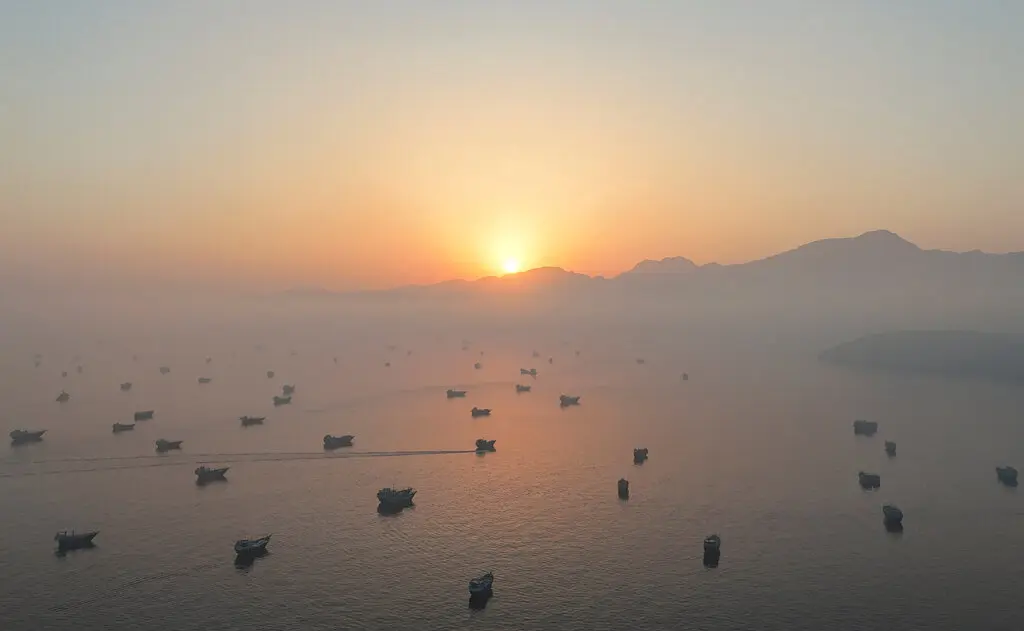
The possibility of reopening the Strait of Hormuz has become a major focus of international diplomacy as tensions between Iran and the United States continue to threaten one of the world’s most important energy and shipping routes. Reports indicate that discussions are underway to create a framework that could allow commercial vessels to safely pass through the strategic waterway.
The potential agreement comes after weeks of uncertainty for global shipping companies, oil markets, and sailors who depend on the route for international trade. However, despite optimism from some officials, major disagreements remain over the details of any deal and who will control the reopening process.
Why Reopening the Strait of Hormuz Matters
The Strait of Hormuz is one of the most strategically important maritime passages in the world. It connects the Persian Gulf with international shipping routes and plays a critical role in transporting energy supplies to global markets.
Any prolonged disruption in the waterway can create serious economic consequences. Oil prices, shipping costs, and supply chains around the world are highly sensitive to instability in this region.
For energy-importing countries, a safe reopening of the strait would provide relief by reducing fears of supply shortages and transportation delays.
Trump Pushes for a Possible Agreement With Iran
U.S. President Donald Trump has suggested that progress could be made toward reopening the Strait of Hormuz through diplomatic negotiations. He described the reopening as an important first step before addressing wider disputes, including Iran’s nuclear program.
According to reports, Trump has presented the situation as a major diplomatic opportunity, arguing that a deal could prevent further military escalation and restore stability in the region.
However, Tehran has rejected claims that direct U.S.–Iran negotiations are taking place. Iranian officials have said discussions are focused on maritime arrangements through Oman rather than direct talks with Washington.
Iran and Oman Explore Temporary Shipping Arrangement
Oman has emerged as a key mediator in efforts to restore safe maritime movement through the Strait of Hormuz. Reports suggest Iran and Oman have been discussing a temporary arrangement that would allow commercial ships to pass through designated routes.
The proposed framework reportedly focuses on creating safer navigation procedures while addressing security concerns from regional countries and international shipping companies.
A temporary agreement could help reduce immediate pressure on global markets, but shipping companies may remain cautious until they see long-term guarantees for vessel and crew safety.
Shipping Companies Await Security Guarantees
Even if governments announce a reopening agreement, returning to normal shipping operations may take time.
Shipping companies must consider several factors before sending vessels through the waterway again:
Insurance costs have increased because of security risks.
Ship operators need confidence that agreements will be respected.
Crew safety remains the highest priority for maritime companies.
Previous incidents near the region have made many operators cautious about immediately resuming full operations.
For sailors, the crisis is not only about trade and politics. It directly affects their working conditions, safety, and ability to complete international voyages.
Impact on Global Oil Markets
The Strait of Hormuz crisis has created uncertainty across global energy markets. Any threat to the waterway can influence oil prices because traders worry about possible disruptions to supply.
Signs of diplomatic progress have already affected market expectations, with investors watching closely for confirmation of a stable reopening plan.
A successful agreement could reduce market pressure, lower shipping risks, and provide more stability for countries dependent on energy imports.
Challenges That Could Delay the Deal
Despite diplomatic efforts, several challenges remain before the Strait of Hormuz can fully reopen.
The biggest issues include:
Control of Maritime Routes
Iran, Oman, and international partners have different views about how shipping access should be managed and monitored.
Trust Between Iran and the United States
Although Washington has expressed optimism, Iran has denied direct negotiations with the U.S., creating uncertainty about the diplomatic process.
Regional Security Concerns
Countries in the Gulf region want guarantees that future conflicts will not threaten commercial vessels or energy infrastructure.
What Happens Next?
The coming days will be important for determining whether diplomatic efforts can produce a workable solution. A successful reopening of the Strait of Hormuz could become a significant step toward reducing tensions and stabilizing global trade.
However, even a temporary agreement may only be the beginning. Long-term stability will require stronger communication channels, security arrangements, and cooperation among regional and international powers.
Conclusion
The possible Strait of Hormuz reopening deal represents a critical moment for global shipping, energy markets, and international diplomacy. While progress appears possible, disagreements between Iran, the United States, and regional partners remain a major obstacle.
For sailors, shipping companies, and global economies, the priority is clear: restoring safe and reliable movement through one of the world’s most important maritime routes. The success or failure of these negotiations could have consequences far beyond the Middle East.