
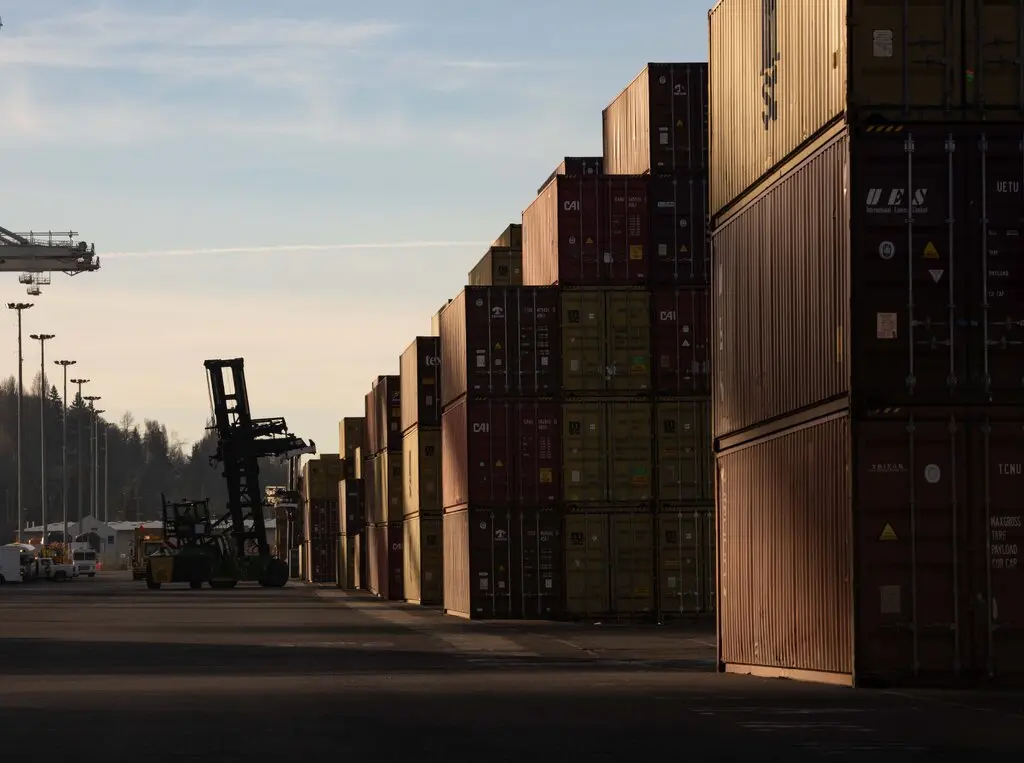
The United States trade deficit narrowed in June 2026, offering a new signal about the changing direction of global trade flows as businesses continue adjusting to tariffs, shifting supply chains, and changing consumer demand. The latest figures show that the gap between what the U.S. imports and exports decreased compared with the previous month, although trade remains a major factor influencing economic growth.
The June trade report comes at a time when American companies are navigating uncertainty caused by changing tariff policies, international tensions, and efforts to reduce dependence on overseas suppliers. While a smaller deficit can appear positive, economists say the details behind the decline are equally important because both imports and exports showed signs of pressure.
U.S. Trade Deficit Shrinks as Imports Fall
The U.S. trade deficit in goods and services narrowed in June, reaching approximately $73 billion compared with a larger deficit in May. The reduction was mainly driven by a decline in imports, particularly in goods categories, as businesses adjusted inventories and purchasing decisions.
Imports decreased as companies became more cautious about international purchasing amid ongoing uncertainty around tariffs and trade rules. Lower import activity helped reduce the trade gap, but it also raised questions about whether businesses were slowing expansion because of economic uncertainty.
Exports Show Signs of Weakness
Although the trade deficit improved, exports also faced challenges. American exports declined during the period, reflecting weaker demand in some international markets and continued pressure on global trade conditions.
A healthy trade balance depends not only on reducing imports but also on strengthening exports. Economists therefore watch export performance closely because it reflects the competitiveness of U.S. companies in global markets.
A sustained improvement would require stronger foreign demand for American products and services.
Tariffs Continue to Reshape U.S. Trade
Trade policy has become one of the biggest factors affecting American businesses in 2026. Changes in tariffs have influenced how companies source products, manage inventories, and plan future investments.
Some businesses increased imports earlier to avoid potential tariff costs, while others have shifted suppliers or delayed purchasing decisions. These changes can create temporary movements in trade data that may not represent long-term trends.
Companies are now evaluating whether to move production closer to the U.S., diversify suppliers, or accept higher costs from international trade barriers.
Impact on the U.S. Economy
The trade deficit plays an important role in economic growth calculations. A large increase in imports can reduce measured GDP growth because imported goods are counted differently in national economic accounting.
Recent economic reports suggest that trade activity has affected growth figures, with import movements creating pressure on overall GDP performance.
However, economists emphasize that trade data is only one part of the broader economic picture. Consumer spending, business investment, employment, and inflation remain key indicators of economic health.
Businesses Face New Supply Chain Decisions
American companies are adapting to a more complicated global trade environment.
Many businesses are reviewing:
Supply Chain Locations
Companies are exploring alternative manufacturing locations to reduce exposure to tariffs and geopolitical risks.
Inventory Management
Businesses are adjusting stock levels to balance customer demand with uncertainty over future import costs.
Pricing Strategies
Higher transportation costs and trade restrictions can influence product prices for consumers.
These decisions could reshape global supply chains for years.
Trade Deficit and Consumer Prices
Changes in trade patterns can directly affect consumers. If companies face higher costs from tariffs or supply disruptions, those expenses may eventually appear in retail prices.
However, reduced imports do not always mean higher prices. Businesses may find alternative suppliers, increase domestic production, or absorb some costs to remain competitive.
The final impact depends on how companies respond to changing trade conditions.
Global Trade Competition Continues
The United States is not alone in managing trade challenges. Countries around the world are adjusting policies as governments focus on protecting domestic industries, securing supply chains, and maintaining economic competitiveness.
The U.S. trade deficit remains a major political issue, with policymakers debating whether tariffs and trade restrictions can strengthen American manufacturing or create additional economic costs.
What the June Trade Data Means for the Future
The latest trade figures provide a mixed picture.
A smaller deficit may suggest that trade imbalances are improving, but weaker imports and exports show that businesses and consumers are still adjusting to uncertain conditions.
Future trade performance will depend on:
- Global economic growth
- Tariff policies
- Consumer demand
- Manufacturing investment
- International business confidence
If companies successfully adapt to new trade conditions, the U.S. could see more stable supply chains. However, continued policy uncertainty could slow investment and create additional challenges.
Conclusion
The U.S. trade deficit narrowed in June 2026, but the improvement reflects a complex economic environment rather than a simple victory for American trade policy. Lower imports helped reduce the gap, while weaker exports highlighted ongoing challenges in global commerce.
As tariff policies and international trade relationships continue evolving, businesses, investors, and policymakers will closely monitor whether this trend represents a lasting improvement or a temporary adjustment.
The future of U.S. trade will depend on finding a balance between protecting domestic industries and maintaining strong participation in the global economy.