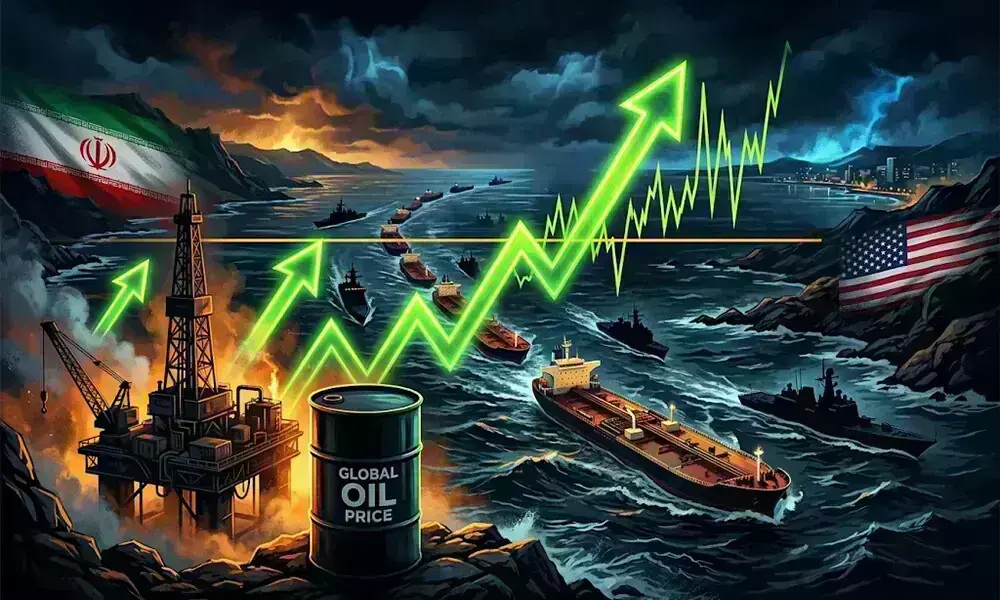
Oil prices jumped sharply on October 1, 2026, as renewed U.S.-Iran tensions collided with China’s decision to suspend most exports of refined petroleum products. The developments added fresh pressure to already-tight global fuel markets and raised concerns about shortages of diesel, gasoline and jet fuel.
Brent crude settled at $102.31 a barrel, gaining $4.28, or 4.37%. U.S. West Texas Intermediate (WTI) settled at $92.87, up $2.45, or 2.71%. The sharp increase came after reports that the United States was sending additional military forces to the Middle East and China was restricting fuel exports.
Why Oil Prices Rose
Two developments were particularly important for energy markets.
First, tensions between the United States and Iran remained high, with diplomatic efforts showing limited progress. Reports indicated that Washington was considering additional military action while Iran was preparing for a possible response if large-scale attacks resumed.
Second, China suspended exports of oil products to destinations beyond Hong Kong and Macau until further notice. The move was reportedly intended to protect China’s domestic fuel supplies.
Together, the developments increased fears that global fuel supplies could become even tighter.
China Suspends Fuel Exports
China is the world’s largest refining hub and a major exporter of refined petroleum products.
According to people familiar with the situation, Chinese refiners were not given approval to export fuel products to most international destinations during October. PetroChina also cancelled several gasoline and jet-fuel shipments that had been scheduled for the month.
The restrictions affect products including:
- Diesel
- Gasoline
- Jet fuel
The timing is significant because international diesel markets were already under pressure following disruptions to supplies from the Middle East and Russia.
Diesel Markets Face Additional Pressure
Diesel has become one of the biggest concerns in the global fuel market.
Russia, another major fuel supplier, has restricted diesel exports through October, while damage to refinery infrastructure in the Gulf and Russia has reduced available supplies.
China’s decision therefore removes another potential source of refined fuel at a time when international inventories are already tight.
UBS analyst Giovanni Staunovo said China’s restrictions could provide additional support to diesel markets because middle-distillate supplies are already constrained.
U.S.-Iran Tensions Add Geopolitical Risk
The energy market is also closely watching developments between Washington and Tehran.
Diplomatic efforts aimed at ending the conflict have continued, but disagreements remain over issues including sanctions, military activity and the Strait of Hormuz.
Reuters reported that Iran was preparing a broader response if the United States resumed major military attacks, while Tehran was simultaneously keeping diplomatic channels open.
The uncertainty has added a geopolitical risk premium to energy prices.
Strait of Hormuz Remains Important
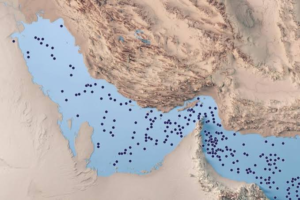
The Strait of Hormuz is one of the world’s most important energy routes.
Although crude oil flows through the strait have recovered considerably from the early stages of the conflict, shipping remains vulnerable to security threats. The Guardian reported that crude exports through Hormuz reached approximately 16.5 million barrels per day in September, compared with around 6 million barrels per day in March.
However, refined-product flows remain significantly below normal levels.
This distinction is important: crude oil may be moving again, but the global market can still experience shortages of finished fuels such as diesel and jet fuel.
Saudi Arabia Restarts Oil Exports
There was also some positive news for energy markets.
Saudi Arabia resumed operations on its East-West Pipeline and restarted tanker loading at Yanbu after a previous drone attack caused disruptions. The restart is helping restore some regional oil-export capacity.
However, the improvement in Saudi exports has not completely removed concerns about global fuel availability.
European Countries Consider Emergency Measures
European governments are also responding to the tightening fuel market.
Reuters reported that the European Union’s energy task force was preparing to discuss a possible release of diesel stockpiles. The United States has also pressured Germany and France to draw down emergency diesel inventories, according to sources cited by Reuters.
Such measures could provide temporary relief if fuel shortages worsen.
What This Means for Consumers
Higher international oil and refined-fuel prices can eventually affect consumers through several channels.
Potential effects include:
- Higher petrol prices
- More expensive diesel
- Increased airline fuel costs
- Higher shipping costs
- More expensive transportation
- Higher production costs for businesses
- Additional inflationary pressure
Pakistan is also exposed to global energy-price movements. On October 1, the government announced an increase in petrol prices for October 2, with petrol rising to Rs390.66 per litre, while high-speed diesel was set at Rs399.34 per litre.
Markets Face a Complicated Supply Picture
The latest developments do not necessarily mean that crude oil supplies will immediately run out.
In fact, Gulf crude exports have been recovering. Goldman Sachs estimated that Gulf oil exports, including some so-called dark shipments, had recovered to about 23.3 million barrels per day in the week before October 1.
The bigger concern is the availability of refined petroleum products.
China’s export restrictions, Russia’s diesel restrictions and damage to refining infrastructure are creating a tighter market for finished fuels.
What Happens Next?
Energy markets will closely monitor several developments:
- Whether U.S.-Iran diplomatic talks make progress
- Whether the Strait of Hormuz remains open and secure
- Whether China resumes refined-fuel exports after its holiday
- Whether Russia extends its diesel export restrictions
- Whether Saudi oil exports continue recovering
- Whether Europe releases emergency diesel reserves
- Whether additional U.S. military forces are deployed to the region
The direction of oil prices will depend heavily on how these developments interact.
Conclusion
Oil prices surged on October 1, 2026, as geopolitical tensions involving the United States and Iran combined with China’s decision to restrict refined-fuel exports. Brent crude settled above $102 a barrel, while WTI approached $93.
China’s suspension of most fuel exports adds pressure to a market already dealing with disruptions involving Middle Eastern and Russian supplies. Diesel, gasoline and jet fuel markets could face particularly strong pressure if the restrictions continue.
At the same time, recovering Gulf crude exports and Saudi Arabia’s resumption of Yanbu shipments provide some relief.
For consumers and businesses around the world, the key issue is whether these supply disruptions remain temporary or develop into a longer-lasting global fuel shortage.