The United States and Iran remained locked in difficult negotiations over the Strait of Hormuz on September 30, 2026, as mediators attempted to find a way to end the conflict and restore more reliable commercial shipping through one of the world’s most important energy routes.
Iranian Foreign Minister Abbas Araghchi received U.S. feedback on Tehran’s seven-day trust-building proposal through Qatari mediators in Doha. According to Reuters, the main disagreement was over the sequence in which the proposed steps should be carried out.
The negotiations continued even after President Donald Trump had publicly rejected Iran’s earlier proposal, leaving mediators to work between the two governments.
Iran Receives U.S. Response
Iran confirmed on September 30 that it had received an official U.S. response to its latest proposal.
Araghchi presented the response to President Masoud Pezeshkian and Iran’s Cabinet after returning from New York, where indirect discussions had taken place during the United Nations General Assembly. Iranian officials did not immediately disclose the full contents of Washington’s response or whether it represented a complete rejection.
Iran said it remained interested in reaching an agreement but maintained that any settlement would need to protect what Tehran describes as the rights and interests of the Iranian people.
Strait of Hormuz Remains Central
The Strait of Hormuz is at the center of the negotiations because of its importance to international energy transportation.
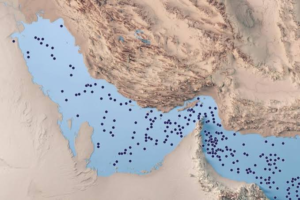
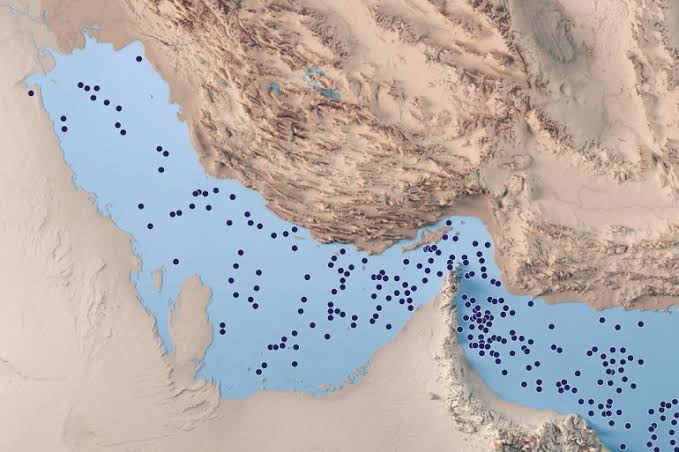
The waterway connects the Persian Gulf with the Gulf of Oman and is used by major oil and gas exporters in the region. Disruptions have therefore created significant concerns for energy markets, shipping companies and governments around the world.
Recent maritime data showed that commercial activity through the strait remained far below normal levels. Lloyd’s List Intelligence reported that September was nevertheless the busiest month since the conflict began outside the earlier memorandum-of-understanding period, with at least 379 non-Iranian-linked voyages through Hormuz during the month.
Iran’s Seven-Day Proposal
Iran’s proposal seeks to establish a sequence of confidence-building measures that could eventually lead to the reopening of the waterway and broader negotiations.
The proposal has been associated with demands involving:
- Ending or reducing hostilities
- Removing the U.S. blockade of Iranian ports
- Easing restrictions on Iranian oil exports
- Releasing or unfreezing Iranian assets
- Restoring shipping through the Strait of Hormuz
- Resuming negotiations concerning Iran’s nuclear program
The exact implementation order has become one of the central disputes.
Reuters reported that the sequencing of the measures was the main sticking point after Washington provided its response through Qatari mediators.
Qatar Continues Mediation
Qatar has played an important role in passing messages between Washington and Tehran.
The indirect diplomatic channel allows the two sides to communicate without requiring a direct agreement between their leaders. Qatar has also been involved in earlier efforts to reduce the conflict.
Other regional mediators, including Pakistan and Oman, have also been involved in diplomatic efforts surrounding the conflict. The Associated Press reported that regional and U.S. officials were continuing behind-the-scenes efforts to broker an agreement despite substantial differences between Washington and Tehran.
Major Obstacles Remain
The negotiations face several unresolved issues.
Washington and Tehran have different positions on the conditions required for reopening the Strait of Hormuz and ending the wider conflict. The United States has also continued to emphasize concerns surrounding Iran’s nuclear program and regional security.
Iran, meanwhile, has sought relief from economic and maritime pressure as part of any agreement.
The Associated Press reported that proposed arrangements could involve reopening the waterway, easing U.S. blockades and sanctions, and allowing renewed nuclear inspections, but significant disagreements remain.
Impact on Global Oil Markets
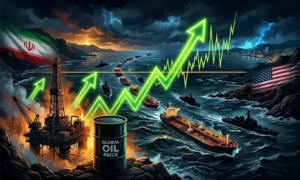
The uncertainty around Hormuz has kept energy markets highly sensitive to developments in the negotiations.
Oil prices have remained elevated during the conflict, although increased oil flows through the region have provided some relief.
On September 30, Brent crude was reported around $102.90 per barrel, while shipping activity remained substantially below its pre-conflict level.
Any agreement that improves shipping conditions could affect oil prices, tanker rates, insurance costs and global supply chains.
Conversely, a breakdown in negotiations could increase concerns about further disruption.
Shipping Remains Difficult
Commercial vessels continue to face uncertainty while operating around the Strait of Hormuz.
The maritime situation has been complicated by reports of vessel strikes and uncertainty over responsibility for some incidents. Shipping companies must therefore consider security risks alongside the availability of alternative routes and export infrastructure.
The disruption has encouraged some regional exporters to use alternative routes and facilities, including Saudi Arabia’s Red Sea infrastructure.
Trump Says a Decision Is Near
President Trump has continued to signal that Washington is approaching a decision point.
On September 30, Trump said the United States would soon determine whether to pursue a deal with Iran or take further military action. Fox News reported that Trump said the standoff would end “very soon.”
The comments came while diplomatic channels remained active, creating uncertainty over whether negotiations could produce a new agreement.
What Happens Next?
The immediate focus is on whether Washington and Tehran can agree on the order of confidence-building measures.
Key questions include:
- Can the two sides agree on how to reopen the Strait of Hormuz?
- Will the U.S. modify its blockade or sanctions?
- Will Iran accept additional nuclear inspections?
- Can mediators resolve disagreements over sequencing?
- Will commercial shipping return to normal levels?
- Can the diplomatic process lead to a broader ceasefire?
The answers will determine whether the latest diplomatic effort develops into a longer-term agreement.
Conclusion
The U.S. and Iran remained engaged in difficult negotiations over the Strait of Hormuz on September 30, 2026. Iran received Washington’s latest response through Qatari mediators, but the two sides continued to disagree over how and when proposed confidence-building measures should be implemented.
The Strait remains central to the dispute because disruptions there have affected international shipping and energy markets. Although commercial traffic has increased compared with earlier stages of the conflict, activity remains well below normal levels.
For now, Qatar and other mediators are continuing diplomatic efforts while Washington and Tehran weigh the terms of a possible agreement. The outcome could have major implications for Middle East security, oil markets, international shipping and the future of U.S.-Iran relations.