Iran’s nuclear program has once again become a central point of global tension as intelligence assessments and diplomatic negotiations focus on the location, purity, and future of the country’s highly enriched uranium stockpile. The issue has taken on new urgency amid ongoing U.S.-Iran discussions and recent military strikes that damaged key enrichment facilities.
At the center of the debate is a growing concern: while Iran’s nuclear infrastructure has been significantly degraded, its stockpile of highly enriched uranium may still exist in hidden or relocated form — potentially preserving Tehran’s ability to restart its program more quickly than previously expected.
The Core Concern: Iran’s 60% Enriched Uranium Stockpile
International nuclear watchdogs and intelligence agencies estimate that Iran retains a significant amount of uranium enriched to around 60% purity — a level far beyond civilian energy use and close to weapons-grade thresholds.
Key concerns include:
- The stockpile may still exist in underground or concealed locations
- Parts of it may have survived recent military strikes on enrichment facilities
- Some material could have been relocated before attacks
- The exact quantity and location remain uncertain
Experts warn that uranium enriched to this level can be rapidly further refined to weapons-grade (around 90%), significantly shortening the timeline for potential weaponization.
Strikes on Nuclear Facilities Did Not End the Program
Recent joint U.S. and Israeli military strikes targeted key nuclear sites including Natanz, Fordow, and Isfahan, causing severe damage to enrichment infrastructure.
However, intelligence assessments suggest a key limitation:
- Infrastructure was damaged
- But nuclear material may not have been fully destroyed
- Underground storage systems may still be intact
- Some enrichment capacity could be restored over time
This creates what analysts describe as a “degraded but not eliminated” nuclear capability.
The Hidden Location Problem
One of the most difficult challenges for international inspectors is simply locating the uranium stockpile.
Reports suggest that:
- Some uranium may be buried under debris at damaged facilities
- Other portions may have been moved before strikes
- Iran’s limited cooperation with inspectors has increased uncertainty
- Monitoring gaps make verification extremely difficult
This uncertainty has become a central issue in ongoing negotiations.
Why 60% Enrichment Is So Critical
Uranium enrichment is measured by how much of the uranium-235 isotope is present.
- 3–5%: typical for civilian nuclear energy
- 20%: research reactors and medical isotope production
- 60%: near weapons-usable threshold
- 90%: weapons-grade material
Experts note that once uranium reaches 60%, the technical leap to weapons-grade material is relatively fast compared to earlier stages.
This is why the stockpile is considered strategically significant even if no active weaponization is confirmed.
U.S. Demands and Nuclear Negotiations
As diplomatic talks continue, U.S. negotiators are reportedly insisting on strict conditions regarding Iran’s nuclear materials.
Reported demands include:
- Transfer or destruction of highly enriched uranium
- Long-term suspension of enrichment activities
- Expanded international inspections
- Limits on underground enrichment facilities
- Verification mechanisms for stored material
Iran, meanwhile, has resisted full dismantlement and instead seeks partial sanctions relief and recognition of its civilian nuclear program.
The Isfahan Question
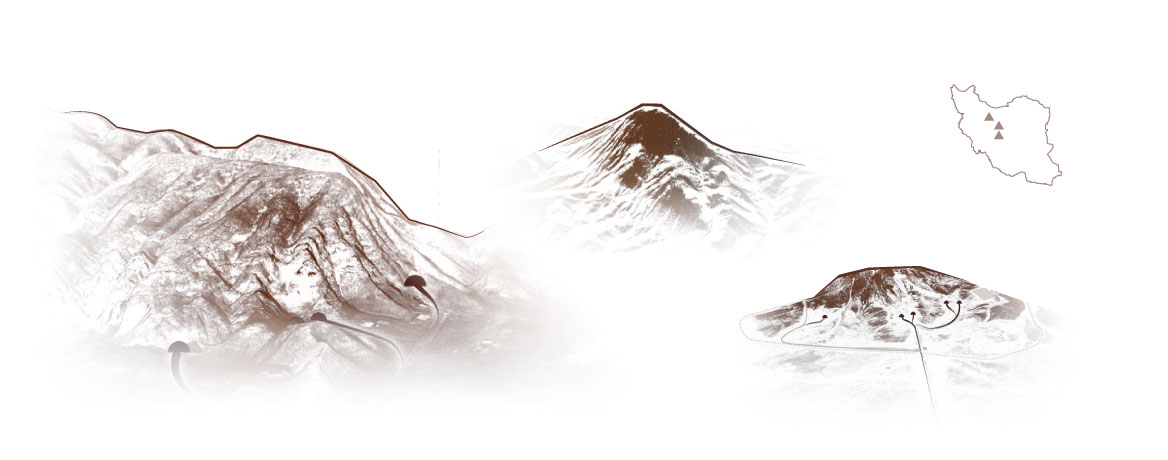
One of the most sensitive locations in the debate is the Isfahan nuclear complex.
Intelligence reports suggest:
- Some enriched uranium may be buried or hidden there
- Damage from strikes may have sealed but not destroyed material
- Retrieval may still be technically possible under certain conditions
This has raised fears that even targeted military action may not fully eliminate Iran’s nuclear capability.
Global Security Implications
The uncertainty surrounding Iran’s uranium stockpile has broader geopolitical consequences.
It affects:
- U.S.-Iran negotiations and ceasefire stability
- Regional security calculations in the Middle East
- Oil market stability due to escalation risks
- International nuclear non-proliferation efforts
- Trust in inspection regimes like the IAEA
Analysts warn that ambiguity itself — not just confirmed capability — is now a major source of instability.
Conclusion
Iran’s uranium stockpile remains one of the most sensitive and unresolved issues in global security. While military strikes have damaged infrastructure, the possibility that highly enriched material still exists — hidden, buried, or relocated — continues to drive diplomatic tension.
As negotiations continue, the central question remains unanswered: not just how much uranium Iran has, but where it is, and what it could become.