
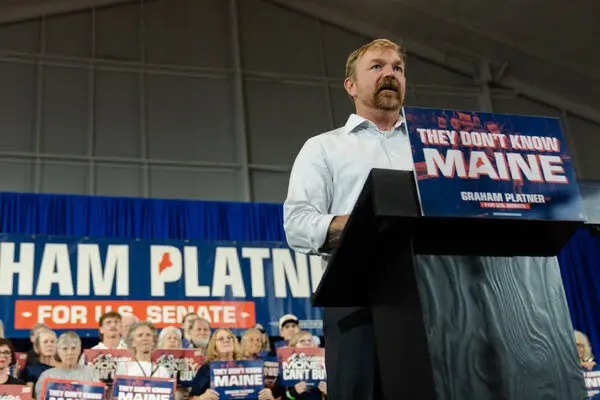
Democratic Senate candidate Graham Platner is facing increasing pressure from party leaders and former supporters to withdraw from the 2026 Maine Senate race after allegations of sexual assault emerged against him. Platner has denied the allegations, calling them false, but the controversy has created a major crisis for Democrats as they attempt to challenge Republican Senator Susan Collins in a closely watched Senate contest.
The situation has quickly transformed a competitive Senate campaign into a broader debate about candidate accountability, party strategy, and the political consequences of personal controversies.
Allegations Create Political Crisis for Platner Campaign
The controversy began after a former partner accused Platner of sexual assault related to an alleged 2021 incident. Platner has rejected the accusation and said the claims are untrue.
The allegations have intensified scrutiny because Platner was already facing questions over previous controversies involving his personal conduct and public image.
The campaign challenges include:
- New allegations creating calls for withdrawal
- Questions about his ability to continue a competitive Senate campaign
- Pressure from Democratic officials and former supporters
- Increased media attention ahead of the November election
Democratic Leaders Withdraw Support
Several prominent Democrats have moved away from Platner as pressure grows.
The political fallout includes:
- Calls from party leaders for Platner to step aside
- Withdrawal of endorsements from some supporters
- Concerns that the controversy could damage Democratic efforts to gain Senate control
- Discussions about possible replacement options if he leaves the race
Democrats view Maine as a strategically important Senate battleground, making the candidate situation especially significant.
Why the Maine Senate Race Matters
The Maine Senate contest is considered one of the most important races of the 2026 midterm elections.
The race has attracted national attention because:
- Republican Senator Susan Collins remains a major political figure in Maine
- Democrats see the seat as a potential opportunity to expand Senate control
- The outcome could influence the balance of power in Washington
- Both parties have invested significant resources in the contest
Before the controversy, Platner had positioned himself as a progressive outsider candidate challenging the political establishment.
Platner’s Background and Political Rise
Platner entered the race as a political newcomer with a background as an oyster farmer and Marine veteran.
His campaign gained attention because of:
- A populist message focused on working-class voters
- Support from progressive activists
- Opposition to traditional political structures
- Strong grassroots enthusiasm during the Democratic primary
However, his campaign had already faced criticism over earlier controversies, including questions about past behaviour and public statements.

Possible Impact on Democratic Strategy
If Platner withdraws, Democrats would face a complicated process to replace him before the general election.
Potential consequences include:
- A new candidate entering a shortened campaign timeline
- Changes in fundraising and voter outreach strategy
- Internal debate over progressive versus establishment candidates
- Possible effects on the party’s chances against Collins
Party officials are closely watching whether Platner chooses to continue his campaign or step aside.
What Happens Next
The coming days are expected to determine the future of the Maine Senate race.
Key developments to watch:
- Whether Platner remains the Democratic nominee
- Whether additional party leaders withdraw support
- Possible replacement candidates if he exits
- How voters respond to the controversy
The decision could reshape one of the most competitive Senate races of the 2026 election cycle.
Conclusion
Graham Platner’s Senate campaign is facing its biggest challenge after allegations of sexual assault triggered calls for him to withdraw from the race. While Platner denies the accusations, the political pressure surrounding his candidacy has grown rapidly. With control of the Senate potentially at stake, Democrats must now decide whether to continue supporting Platner or pursue a different path before the election.