The conflict between the United States and Iran escalated further on June 2, 2026, as former President Donald Trump pushed an aggressive diplomatic and military strategy centered on one of the world’s most critical energy chokepoints — the Strait of Hormuz.
At the heart of the crisis is a widening struggle over maritime control, nuclear negotiations, and regional power balance, with Iran, the United States, and Gulf states locked in a volatile standoff that is already reshaping global energy markets.
Strait of Hormuz Becomes the Center of the Conflict
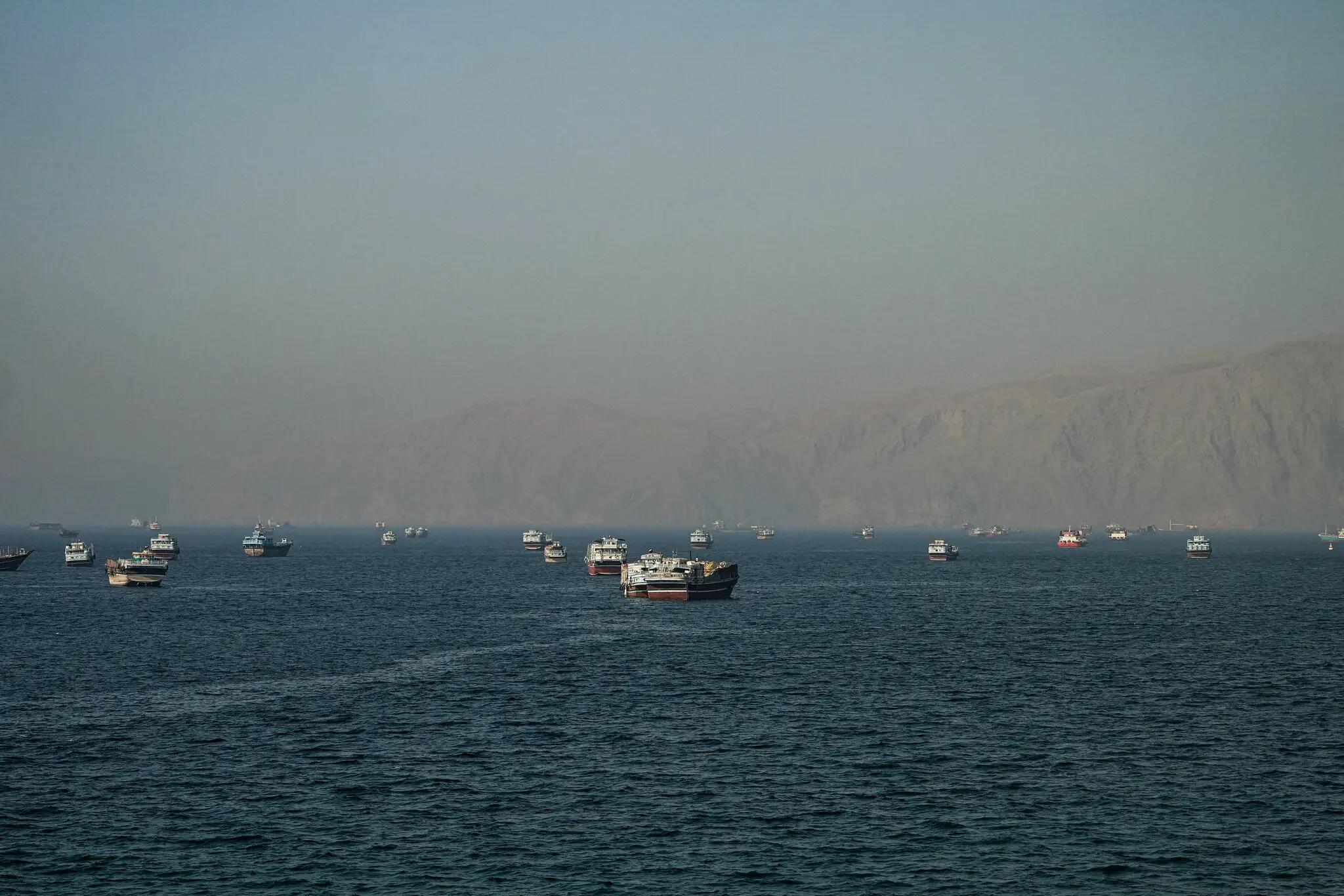
The Strait of Hormuz, through which nearly one-fifth of the world’s oil supply passes, has emerged as the central bargaining chip in the ongoing Iran conflict.
Recent developments show that Iran has attempted to assert greater control over the waterway by introducing new restrictions and toll-based access systems for commercial shipping.
Reports indicate that:
- Hundreds of ships have registered for “safe passage” under Iranian-controlled systems
- Certain vessels linked to U.S. and allied interests may be denied entry
- Tehran is using maritime access as leverage in nuclear and sanctions negotiations
The move has intensified global concerns over energy security and trade stability.
Trump’s Strategy Links Diplomacy to Maritime Access
Trump’s approach to the crisis reportedly ties diplomatic progress directly to reopening or stabilizing shipping routes through the Strait of Hormuz.
U.S. policy discussions suggest that:
- Maritime freedom is being treated as a condition for sanctions relief
- Iran’s cooperation on shipping could influence nuclear negotiations
- U.S. naval presence remains active in the region to deter escalation
This strategy reflects a broader effort to combine military pressure with diplomatic negotiation rather than relying on traditional treaty-based frameworks.
Rising Tensions Over Shipping and Oil Security
The Strait of Hormuz dispute has already triggered disruptions in global shipping patterns.
Key impacts include:
- Increased insurance costs for oil tankers
- Diversion of shipping routes to alternative corridors
- Temporary suspension or delays of commercial voyages
- Heightened naval activity by U.S. and Iranian forces
Energy analysts warn that even limited restrictions in the strait can quickly affect global oil prices due to its strategic importance.
Iran’s Leverage Strategy in the Gulf
Iran appears to be using maritime control as a form of geopolitical leverage.
By influencing access to the Strait of Hormuz, Tehran can:
- Pressure global oil markets
- Strengthen its position in nuclear negotiations
- Assert regional dominance over Gulf shipping lanes
- Challenge U.S. naval influence in the region
However, this approach also increases the risk of direct confrontation with U.S. and allied naval forces stationed in the Gulf.
U.S. Military Presence Intensifies
In response to rising tensions, U.S. naval forces have increased patrols and escort operations in and around the Strait of Hormuz.
These operations aim to:
- Protect commercial shipping lanes
- Prevent disruption of global oil flows
- Deter Iranian interference with maritime traffic
- Maintain open navigation routes for allied vessels
Despite these efforts, uncertainty remains high as both sides test boundaries without fully committing to de-escalation.
Oil Markets React to Growing Instability
Energy markets have responded sharply to the ongoing instability in the Strait of Hormuz.
Analysts report:
- Rising crude oil prices
- Increased volatility in futures markets
- Concerns over long-term supply disruptions
- Heightened risk premiums for shipping insurance
The Strait remains one of the most sensitive pressure points for global economic stability.
Nuclear Talks Complicated by Maritime Conflict
Negotiations over Iran’s nuclear program are increasingly intertwined with the maritime crisis.
Key sticking points include:
- Uranium enrichment limits
- Sanctions relief conditions
- Verification mechanisms
- Regional security guarantees
- Control of strategic shipping routes
Diplomats warn that progress on nuclear talks may stall unless maritime tensions are addressed.
A Multi-Front Geopolitical Crisis
The situation is no longer limited to a single issue but has evolved into a multi-layered geopolitical crisis involving:
- Nuclear diplomacy
- Maritime security
- Regional proxy conflicts
- Energy market stability
- Great-power competition
The Strait of Hormuz now sits at the intersection of all these pressures.
Conclusion
The June 2 developments highlight how the Iran conflict has expanded beyond traditional military and diplomatic channels into global economic infrastructure. With the Strait of Hormuz at the center of negotiations, the outcome of this standoff could determine not only the future of U.S.-Iran relations but also the stability of global energy markets.
As tensions continue to rise, the world is watching whether diplomacy can keep one of the most critical trade arteries in the world open — or whether it becomes the defining flashpoint of a broader regional conflict.