
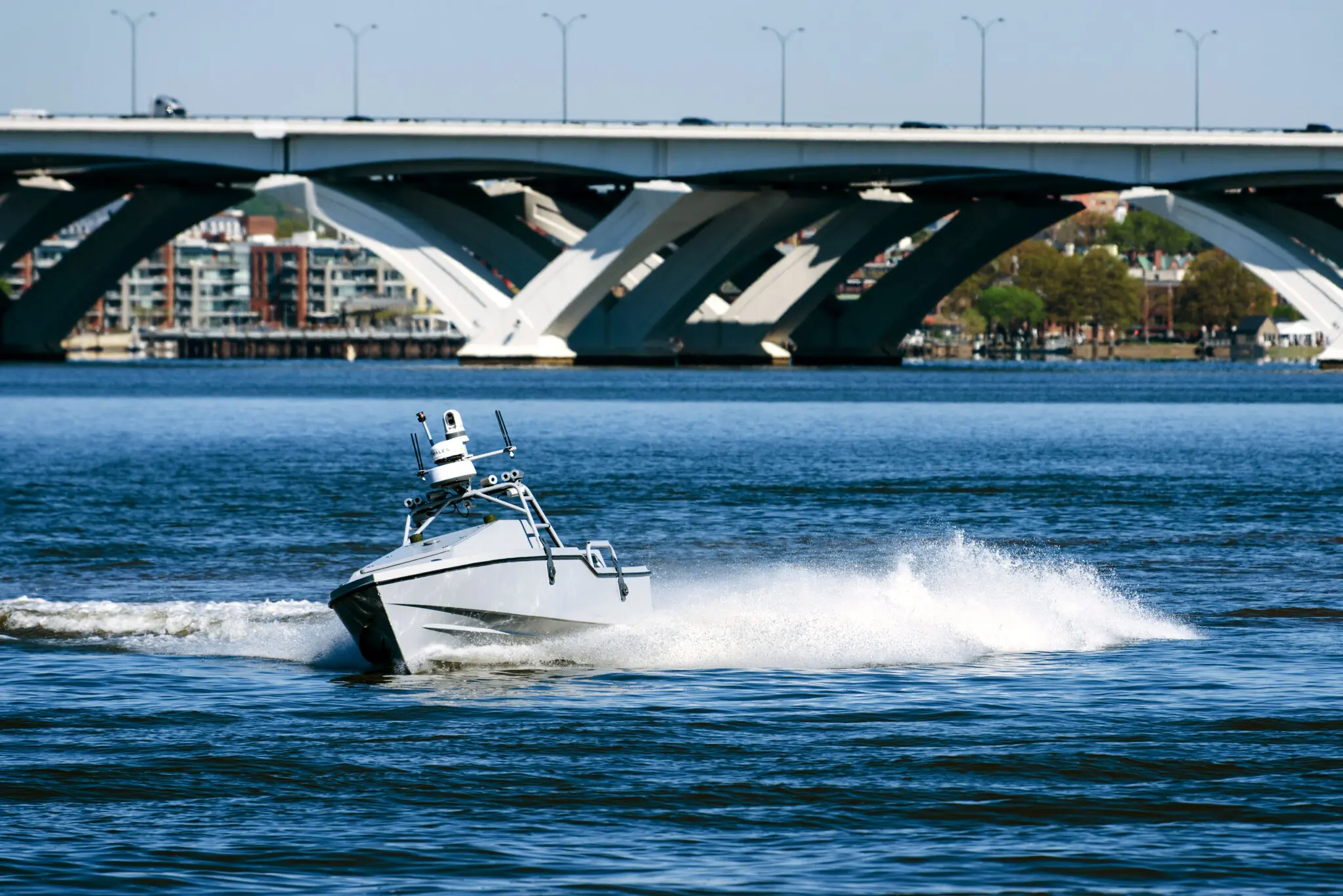
The U.S. Navy is expanding its investment in unmanned surface vessels, commonly known as drone boats, as part of a broader effort to modernize the fleet and prepare for future conflicts. Military leaders believe autonomous vessels can perform dangerous missions, reduce risks to sailors, and provide a more cost-effective way to strengthen naval operations.
The push reflects a wider Pentagon strategy to rapidly acquire autonomous systems after studying their growing role in recent conflicts, particularly in the Black Sea and the Middle East.
Why the Navy Is Investing in Drone Boats
Unmanned surface vessels are designed to operate with little or no onboard crew while carrying out a wide range of naval missions.
These vessels can support:
- Maritime surveillance
- Intelligence gathering
- Mine detection and clearance
- Cargo and logistics operations
- Electronic warfare
- Precision strike missions
Officials say autonomous vessels can operate in high-risk environments where sending traditional warships or sailors would be more dangerous.
Lessons From Modern Warfare
Recent conflicts have demonstrated the growing effectiveness of unmanned maritime systems.
Military planners have observed that drone boats can:
- Conduct long-range reconnaissance
- Target enemy naval assets
- Operate alongside crewed ships
- Increase operational flexibility
- Lower mission costs
The Pentagon has accelerated its procurement plans after evaluating how autonomous maritime technology has evolved in real combat situations.
New Autonomous Technologies Enter Service
The Navy is working with U.S. defense companies to develop increasingly capable autonomous vessels.
Modern drone boats feature:
- Autonomous navigation systems
- Advanced sensors and cameras
- Satellite communications
- Artificial intelligence-assisted operations
- Long-range endurance
- Modular payload capabilities
These technologies allow a single platform to perform multiple mission types depending on operational requirements.
Supporting a Hybrid Naval Fleet
Rather than replacing traditional warships, unmanned vessels are expected to operate alongside destroyers, frigates, submarines, and aircraft carriers.
The future fleet could include:
- Crewed surface combatants
- Autonomous patrol vessels
- Underwater drones
- Aerial drones
- Integrated command systems
Defense officials describe this as a “hybrid fleet” that combines human decision-making with autonomous capabilities.
Advantages of Drone Boats
Autonomous vessels offer several operational benefits.
Key advantages include:
- Lower operating costs
- Reduced risk to military personnel
- Longer operational endurance
- Faster deployment
- Increased surveillance coverage
- Scalable production
Because many drone boats are significantly less expensive than traditional warships, they can be deployed in larger numbers.
Challenges Facing Autonomous Naval Systems
Despite rapid progress, several obstacles remain before unmanned vessels become a larger part of naval operations.
Current challenges include:
- Cybersecurity threats
- Electronic warfare interference
- Communication reliability
- Autonomous decision-making limits
- Integration with existing fleets
- Legal and operational considerations
Military experts say these issues must be addressed before autonomous systems can perform more complex combat missions independently.
Strategic Importance in the Indo-Pacific
The Navy’s investment in autonomous vessels is closely linked to long-term planning for operations in the Indo-Pacific region.
The strategy focuses on:
- Expanding maritime surveillance
- Protecting vital shipping lanes
- Increasing fleet flexibility
- Strengthening deterrence
- Supporting allied naval operations
Autonomous systems are expected to play an increasingly important role in maintaining maritime security across large ocean regions.
Future of Naval Warfare
Defense analysts expect unmanned surface vessels to become a standard component of modern navies over the next decade.
Future developments may include:
- Greater artificial intelligence integration
- Swarm operations using multiple autonomous vessels
- Improved coordination with aerial and underwater drones
- Expanded long-range missions
- Faster acquisition and deployment
As technology advances, autonomous maritime systems are likely to reshape naval strategy around the world.
Conclusion
The U.S. Navy’s growing investment in drone boats reflects a major shift toward autonomous maritime operations. By combining advanced technology with traditional naval capabilities, the Navy aims to build a more flexible, efficient, and resilient fleet prepared for future security challenges. While technical and operational hurdles remain, unmanned surface vessels are expected to become an increasingly important part of modern naval warfare.