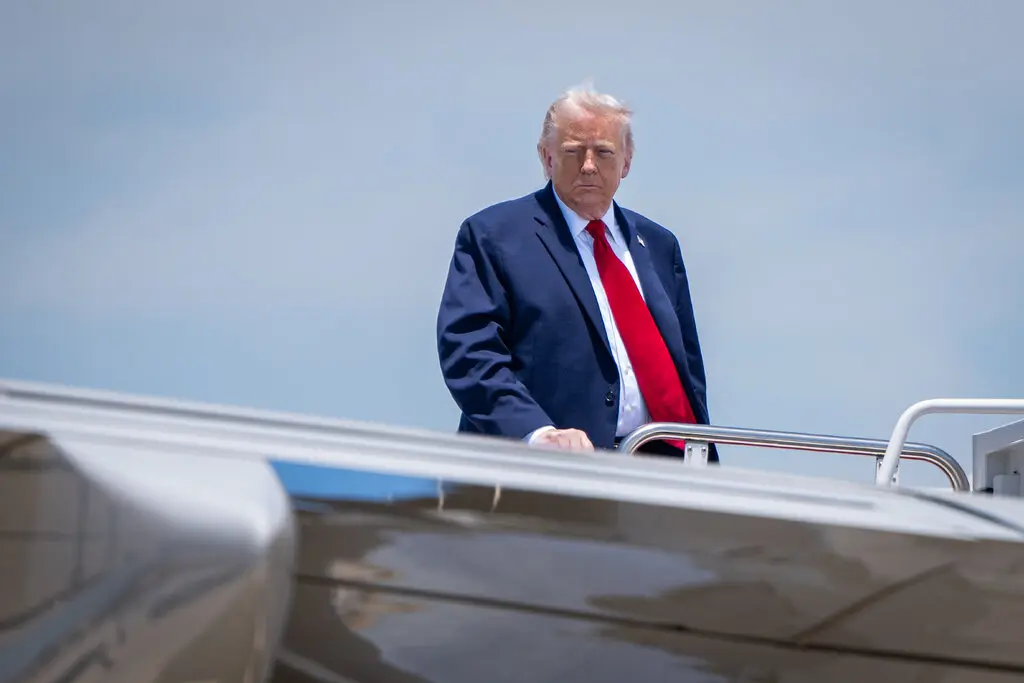
The latest live developments from June 8, 2026 show a volatile but shifting moment in the Middle East conflict, as Israel and Iran appear to pause large-scale strikes following intense U.S. diplomatic pressure led by President Donald Trump.
While fighting has not fully ended — particularly in Lebanon and proxy fronts — both Tehran and Jerusalem have signalled a temporary halt to direct escalation, raising cautious hopes that the region may be stepping back from the brink of a wider war.
Trump Presses Both Sides Into a Fragile Pause
President Trump played a central role in the latest de-escalation effort, reportedly urging both Israel and Iran to stop further military action after days of missile exchanges and airstrikes.
According to reporting from the live updates:
- Trump directly called for an immediate halt to “shooting” between Israel and Iran
- He warned Israel against escalating strikes that could derail negotiations
- He pushed Iran to return to diplomatic talks under existing U.S.-led frameworks
- He continued to link ceasefire progress with broader regional peace negotiations
U.S. officials described the situation as highly fragile, with no formal peace agreement yet in place.
Israel Signals It Will “Hold Fire” — With Conditions
Israeli leadership indicated it would temporarily hold back from further strikes against Iran following U.S. pressure, marking a notable pause after a rapid escalation cycle.
However, this restraint is conditional:
- Israel says it retains the right to respond if attacked again
- Military operations against Hezbollah in Lebanon continue
- Security officials remain on high alert for renewed Iranian retaliation
- Strategic targets linked to Iran remain under surveillance
Netanyahu’s position reflects a balance between U.S. diplomatic pressure and domestic security concerns.
Iran Announces Pause But Warns of Retaliation
Iran has also signalled a halt in offensive operations, describing its recent missile launches as “completed responses” to Israeli strikes.
However, Iranian officials made clear the pause is not permanent:
- Further Israeli or U.S.-linked attacks could trigger renewed retaliation
- Hezbollah-linked escalation in Lebanon remains a key trigger point
- Iran continues to frame its actions as defensive and proportional
- Trust in U.S.-mediated negotiations remains limited
This creates a situation where de-escalation exists, but only conditionally.
Lebanon Remains the Most Dangerous Flashpoint
Even as direct Iran–Israel exchanges cool, Lebanon remains highly active and unstable.
The situation there includes:
- Continued Israeli strikes on Hezbollah positions
- Rocket and drone activity from southern Lebanon
- Civilian displacement in border regions
- Political pressure from Lebanon’s leadership to halt escalation
Officials warn that Lebanon could quickly reignite broader conflict if strikes intensify again.
Oil Markets and Global Stability React
Financial markets have responded cautiously to signs of de-escalation.
Recent movements show:
- Oil prices easing slightly after earlier spikes
- Equity markets recovering after volatility
- Continued risk premiums due to uncertainty
- Investors still pricing in potential renewed escalation
Even with temporary calm, markets remain highly sensitive to developments in the Strait of Hormuz and wider Gulf security conditions.
A Conflict Defined by Cycles, Not Resolution
Despite the temporary pause, analysts describe the situation as a cycle of escalation rather than a resolved conflict.
Key dynamics include:
- Short bursts of intense military exchanges
- Rapid diplomatic intervention from the U.S.
- Conditional and fragile ceasefire behaviour
- Continued proxy warfare in Lebanon and beyond
This pattern suggests that while full-scale war may be briefly avoided, structural tensions remain unresolved.
Conclusion
The June 8 live developments show a conflict in temporary suspension rather than conclusion. Trump’s diplomatic pressure has produced a short-term pause in direct Israel–Iran strikes, but underlying tensions — particularly in Lebanon and across regional proxy networks — remain highly active.
Whether this moment develops into a lasting ceasefire or simply another pause before renewed escalation will depend on whether diplomatic channels can outpace battlefield realities.