Iran War Escalates as Israel and Hezbollah Clash and Trump Pushes Fragile Diplomacy
The war involving Iran, Israel, Hezbollah, and U.S.-backed forces intensified on June 3, 2026, as military strikes, drone attacks, and diplomatic interventions unfolded simultaneously across multiple fronts in the Middle East.
While former President Donald Trump signaled renewed diplomatic engagement with Iran and regional leaders, violence continued in Lebanon, the Gulf, and along Israel’s northern border — underscoring the fragility of ongoing ceasefire efforts and the widening scope of the conflict.
Trump Claims Diplomatic Progress as Fighting Continues
In recent statements, Donald Trump claimed that indirect negotiations with Iran have made progress, including discussions involving Iran’s leadership and U.S. intermediaries.
He also suggested that Iran has indicated it does not seek nuclear weapons, though no formal agreement has been confirmed by international bodies or verified by independent observers.
Despite these claims, hostilities across the region have escalated, raising doubts about whether diplomacy is keeping pace with battlefield developments.
Kuwait Airport Drone Attack Raises Gulf Tensions
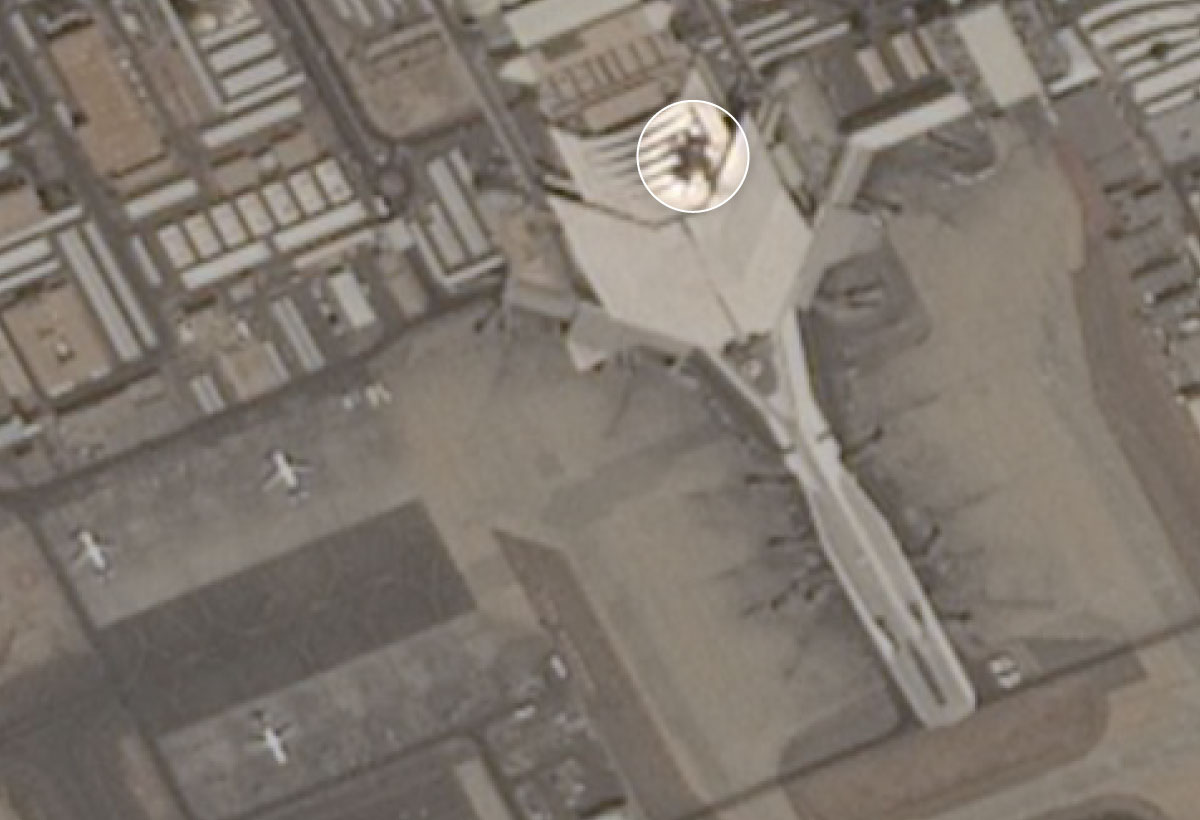
One of the most serious recent escalations occurred in Kuwait, where Iranian drone and missile strikes targeted the country’s international airport.
The attack resulted in:
- At least one death
- More than 60 injuries
- Temporary suspension of commercial flights
- Severe damage to airport infrastructure
Gulf states including Bahrain and Kuwait have condemned the attack, while regional air defense systems intercepted additional incoming missiles and drones.
The strike marks a widening of the conflict beyond its original theaters in Iran, Israel, and Lebanon, pulling Gulf states more directly into the confrontation.
Israel and Hezbollah Exchange Heavy Strikes in Lebanon
Meanwhile, fighting between Israel and Hezbollah continued in southern Lebanon despite ongoing ceasefire discussions.
Reports indicate:
- Israeli airstrikes hit targets near Beirut and southern towns
- Hezbollah launched rocket and drone attacks toward northern Israel
- Civilian casualties have been reported on both sides
- Medical facilities in Lebanon have been damaged in the fighting
A U.S.-mediated ceasefire remains in place in limited form, but violations on both sides have made the agreement increasingly unstable.
Lebanon Becomes a Central Front in the Conflict
Lebanon has emerged as one of the most volatile battlegrounds in the broader Iran-linked conflict.
Recent developments include:
- Continued Israeli air operations targeting Hezbollah infrastructure
- Lebanese government calls for a full ceasefire
- Rising civilian displacement in southern regions
- Strained humanitarian conditions in affected areas
Officials warn that the conflict risks evolving into a prolonged regional war if diplomatic efforts fail.
U.S. and Iran Talks Under Pressure
Diplomatic negotiations between the United States and Iran have reportedly been disrupted by ongoing violence, particularly Israeli strikes in Lebanon and Iranian retaliation across the Gulf.
Key sticking points include:
- Iran’s nuclear program and uranium enrichment levels
- Sanctions relief and economic restrictions
- Regional proxy conflicts involving Hezbollah and militias
- Security of shipping routes in the Strait of Hormuz
Iran has reportedly suspended or slowed some engagement channels, citing continued military escalation.
Strait of Hormuz and Global Energy Risks
The conflict has also increased pressure on global energy markets.
Analysts warn that instability near the Strait of Hormuz — a critical oil transit route — could:
- Disrupt global oil supplies
- Increase energy prices worldwide
- Trigger shipping insurance spikes
- Escalate naval confrontations in the Gulf
Even limited disruptions in the region are already being reflected in commodity market volatility.
Regional War Expands Beyond Original Borders
What began as targeted military operations has now evolved into a multi-front regional conflict involving:
- Iran
- Israel
- Hezbollah in Lebanon
- U.S. military forces in the Gulf
- Gulf states including Kuwait and Bahrain
The expanding geographic scope suggests the conflict is no longer localized, but part of a broader regional power struggle.
Conclusion
The June 3 escalation highlights the increasingly interconnected nature of the Iran–Israel war, where diplomacy and military action are unfolding simultaneously but often in contradiction.
While diplomatic figures such as Donald Trump push for negotiations, battlefield realities across Lebanon, the Gulf, and Israel continue to drive the conflict in unpredictable directions.
With no stable ceasefire in place and multiple regional actors now involved, the risk of further escalation remains high.