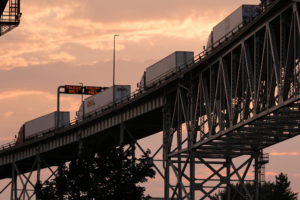
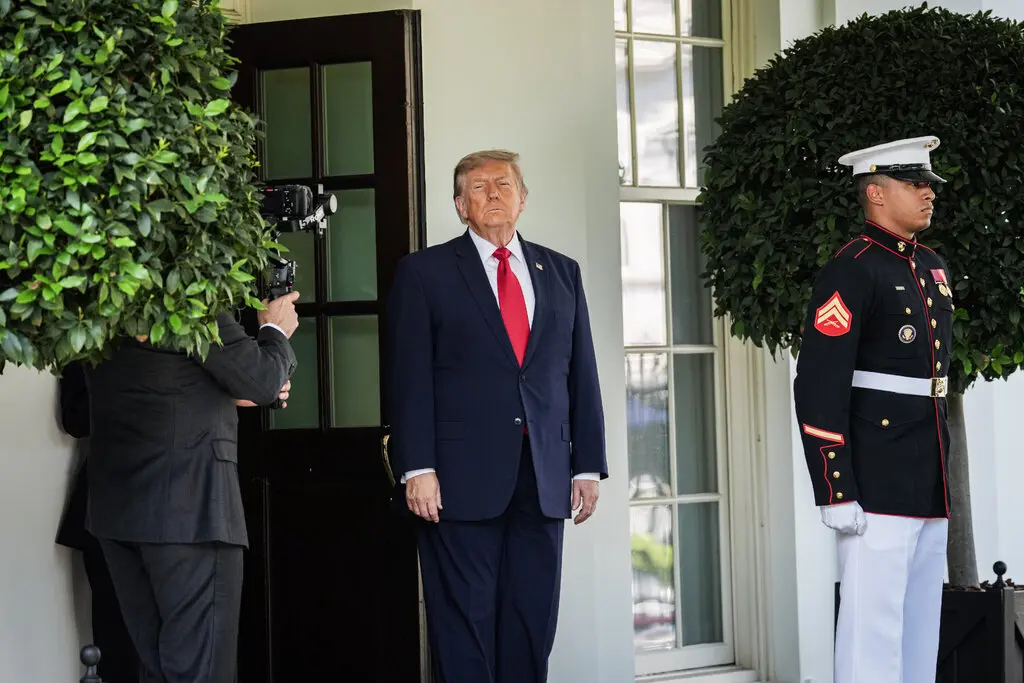
Tensions between the United States and Iran have intensified again after President Donald Trump announced renewed pressure on Tehran, including military action and a renewed blockade strategy connected to the strategically important Strait of Hormuz. The developments have raised fears of a wider regional conflict and renewed disruption to global energy markets.
The Strait of Hormuz remains at the center of the crisis because it is one of the world’s most important energy routes, carrying a significant share of global oil and gas shipments. Any prolonged disruption could affect fuel prices, shipping costs, and the global economy.
Trump Announces Renewed Pressure on Iran
President Trump said the United States was restarting measures aimed at limiting Iran’s ability to operate militarily in the region. U.S. officials said strikes targeted Iranian military infrastructure, including missile, drone, coastal defense, and maritime capabilities.
The administration has argued that the actions are intended to:
- Reduce Iran’s ability to threaten commercial shipping
- Protect international maritime routes
- Pressure Tehran back into negotiations
- Prevent further attacks on U.S. and allied interests
Iran has rejected U.S. actions and accused Washington of escalating the conflict.
Strait of Hormuz Becomes the Main Battlefield
The Strait of Hormuz has become the most critical point in the conflict because of its importance to international trade.
The crisis has affected:
- Oil tanker movement
- Commercial shipping confidence
- Maritime insurance costs
- Global energy markets
- Regional security calculations
The United States has argued that it is trying to restore freedom of navigation, while Iran has continued asserting control over its surrounding waters.
Tanker Attacks Increase Maritime Risks
The latest escalation followed attacks involving commercial vessels in and around the Strait of Hormuz.
Reports indicated that:
- Tankers were damaged during attacks
- One crew member was killed and others injured
- Regional governments condemned attacks on shipping
- Maritime companies faced increased security concerns
The incidents have pushed more shipping companies to reconsider routes and safety procedures.
Trump Changes Approach on Hormuz Fees
Trump previously proposed charging ships passing through the Strait of Hormuz as compensation for U.S. protection efforts. However, the proposal faced criticism from international shipping organizations and legal experts who argued that such charges could violate international maritime principles.
Later reports indicated that the administration stepped back from the fee proposal and shifted toward investment agreements with Gulf countries instead.
Impact on Global Oil Markets
The renewed conflict has created uncertainty in energy markets.
Potential consequences include:
- Higher oil prices
- Increased transportation costs
- Greater inflation pressure
- Supply chain disruptions
- Market volatility
Energy analysts continue watching whether shipping through Hormuz can return to normal conditions.
Iran’s Response and Regional Tensions
Iran has continued warning that it will respond to attacks and pressure from the United States. Regional countries hosting American military facilities have also increased security concerns as the conflict expands.
The situation has created uncertainty for countries across the Middle East, including:
- Gulf states
- Energy exporters
- International shipping companies
- U.S. allies in the region
Diplomatic Efforts Face New Challenges
The renewed fighting has complicated diplomatic efforts between Washington and Tehran.
Future negotiations depend on:
- Whether military operations continue
- Whether shipping routes stabilize
- Whether both sides return to talks
- How regional allies respond
Officials from several countries are calling for restraint to prevent a broader war.
What Happens Next
The coming days will likely focus on:
- Further U.S. military actions
- Iran’s response
- Shipping activity through Hormuz
- Oil market reactions
- International diplomatic efforts
A prolonged confrontation could have consequences far beyond the Middle East.
Conclusion
The Iran war crisis has entered another dangerous phase as tensions around the Strait of Hormuz increase. With military actions, tanker attacks, and disputes over maritime control continuing, the conflict threatens regional stability and global energy security. The next steps from Washington, Tehran, and Gulf countries will determine whether the situation moves toward negotiation or further escalation.