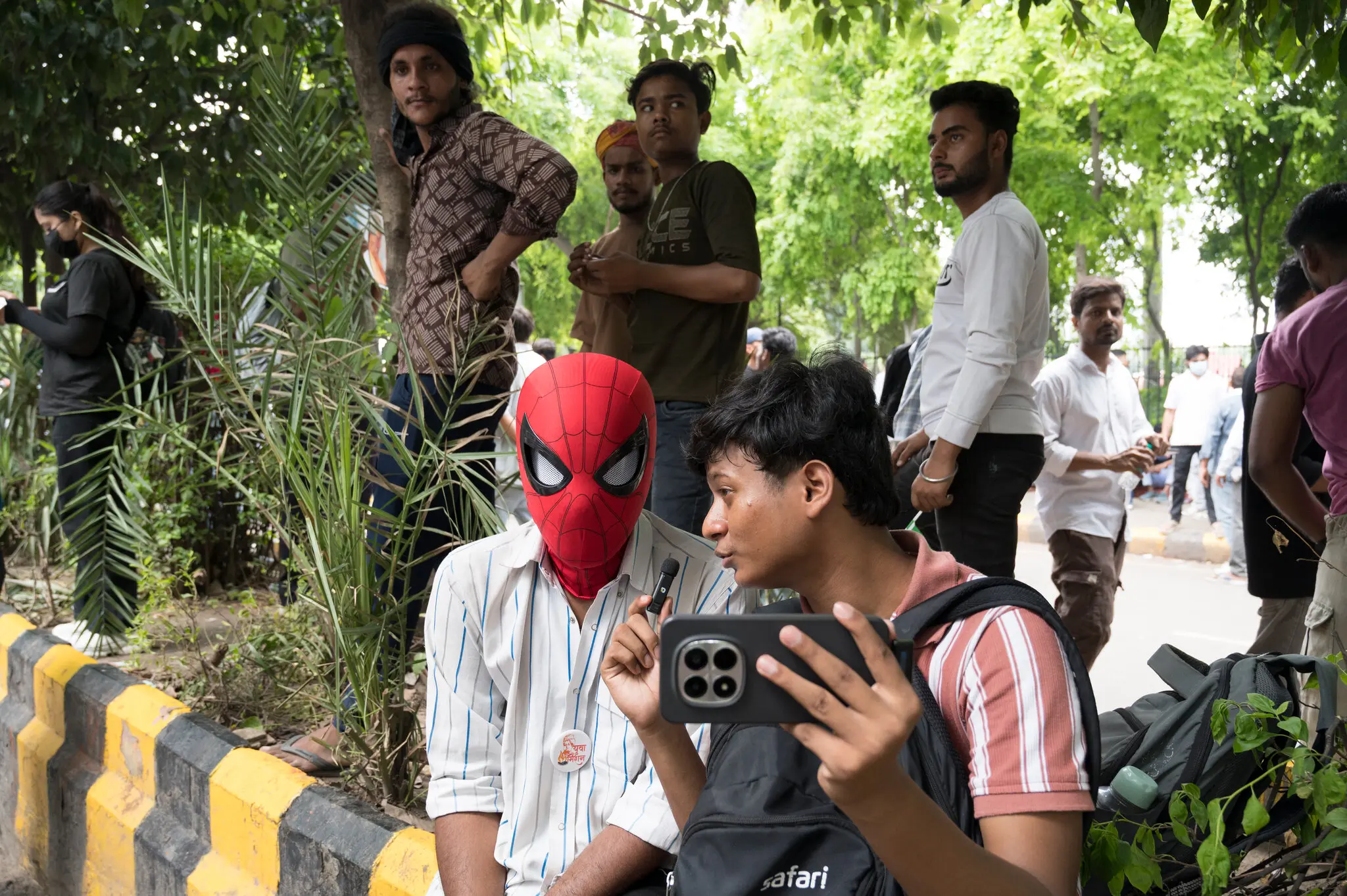
A political joke created online has transformed into one of India’s most unusual youth-led protest movements. The Cockroach Janta Party (CJP), which began as a satirical response on social media, has become a symbol of frustration among young Indians over exam irregularities, unemployment, and demands for greater government accountability.
The movement gained attention after the use of the “cockroach” symbol became associated with anger over education system failures and criticism of how young people’s concerns were being addressed. What started as memes and online jokes has expanded into street demonstrations, nationwide campaigns, and a broader conversation about youth dissatisfaction in India.
How the Cockroach Janta Party Started
The Cockroach Janta Party was originally created as an online parody movement.
The idea spread quickly because many young Indians connected with its message. The cockroach symbol was used as a form of satire, representing survival and resilience despite difficult conditions.
Social media users began sharing:
- Memes
- Short videos
- Political jokes
- Protest messages
- Creative artwork
The movement’s unusual branding helped it attract attention among younger audiences who felt traditional political channels were not addressing their concerns.
Why Young Indians Joined the Movement
The CJP movement grew around several major frustrations, especially among students and young job seekers.
Key concerns include:
- Examination system failures
- Alleged paper leaks
- Unemployment
- Lack of government accountability
- Concerns about student futures
Many young protesters say education and employment opportunities are central issues affecting their generation.
Exam Paper Leaks Become a Major Issue
One of the biggest issues behind the protests has been anger over alleged examination irregularities.
Students have argued that repeated exam problems damage trust in competitive systems where millions of young people compete for limited opportunities.
For many protesters, the issue represents a larger problem:
- Fair access to education
- Employment security
- Transparency in government systems
The movement has demanded stronger action against those responsible and greater protection for students.
From Internet Memes to Street Demonstrations
The biggest transformation of the movement has been its shift from online satire to real-world protests.
Supporters have organized demonstrations in cities including New Delhi, using the cockroach symbol as a representation of their campaign.
Protest activities have included:
- Public rallies
- Social media campaigns
- Student gatherings
- Creative demonstrations
The movement’s ability to combine humor with political messaging has helped it gain visibility among younger generations.
The Role of Memes in Modern Protests
The CJP movement highlights how memes have become powerful tools for political communication.
Instead of traditional campaign methods, younger activists are using:
- Humor
- Viral content
- Short videos
- Online communities
to spread messages quickly.
Memes allow movements to reach large audiences while creating a shared identity among supporters.
Government Response to the Protests
The growing protests have attracted responses from Indian officials.
Prime Minister Narendra Modi addressed concerns related to the education system and promised stronger action, including measures aimed at preventing examination leaks.
However, protesters argued that broader accountability measures were still needed.
Nationwide Protest Calls
The Cockroach Janta Party announced nationwide peaceful demonstrations under the slogan “Every District. One Day. One Demand.”
The campaign encouraged student groups and supporters across India to participate in coordinated protests while emphasizing peaceful action.
Why the Movement Matters Politically
Although the CJP began as satire, its growth reflects wider concerns among young voters.
The movement demonstrates how younger generations are increasingly using digital platforms to organize around issues they believe affect their future.
Important themes include:
- Political accountability
- Education reform
- Employment opportunities
- Youth representation
The movement’s success shows how online communities can quickly become real-world political forces.
Challenges Facing the Cockroach Janta Party
Despite its rapid growth, the movement faces several challenges.
Turning Popularity Into Policy
Online popularity does not always translate into political influence. The movement must determine how it can create long-term change.
Maintaining Unity
Large youth movements often include people with different goals and expectations.
Building Organization
Sustaining protests requires leadership, structure, and clear objectives.
The Future of the CJP Movement
The future of the Cockroach Janta Party will depend on whether it can move beyond symbolism and achieve concrete results.
Possible outcomes include:
- Stronger education reforms
- Increased youth political participation
- New forms of digital activism
- Continued public pressure on government institutions
The movement has already demonstrated the power of social media-driven activism in shaping national conversations.
Conclusion
India’s Cockroach Janta Party represents a new style of political expression where humor, memes, and online communities become tools for social change.
What began as a joke has grown into a major youth movement focused on education reform, accountability, and frustration among a generation seeking better opportunities.
Whether the CJP becomes a lasting political force or remains a powerful moment of digital activism, it has already shown how quickly internet culture can influence real-world politics.