Russian-occupied Crimea is experiencing its most significant fuel shortage since its annexation in 2014, as sustained Ukrainian drone attacks continue to disrupt key supply routes, oil infrastructure, and military logistics. The shortages are affecting civilians, businesses, and Russian military operations, highlighting the growing strategic importance of Ukraine’s long-range strike campaign.
Ukrainian Drone Campaign Targets Critical Logistics
Ukraine has intensified attacks on infrastructure supporting Russian operations in southern Ukraine and Crimea. Rather than focusing solely on frontline military positions, Ukrainian forces have increasingly targeted fuel depots, transport routes, and refineries.
Recent strikes have reportedly affected:
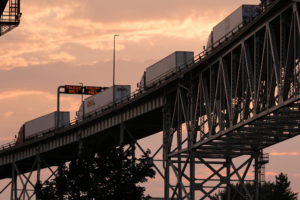
- Fuel tankers travelling to Crimea.
- Oil storage facilities.
- Bridges and highways connecting occupied territories.
- Russian refineries supplying fuel to southern regions.
Military analysts say the campaign aims to weaken Russia’s logistics while reducing its ability to sustain military operations in occupied territories.
Fuel Rationing Introduced Across Crimea
The disruption has led authorities in Crimea to impose fuel restrictions.
Measures currently include:
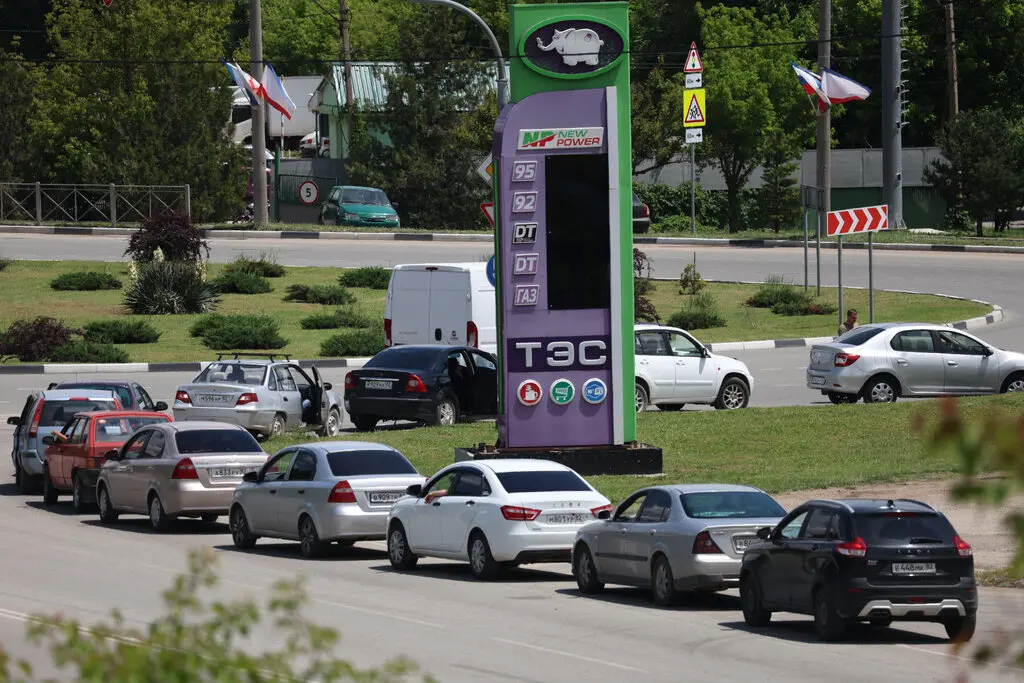
- Petrol sales limited to 20 litres per vehicle.
- Restrictions on filling portable fuel containers.
- Long queues at service stations.
- Temporary closures of some petrol stations due to supply shortages.
Officials have urged residents to avoid panic buying while additional fuel deliveries are arranged.
Tourism Industry Faces Major Setback
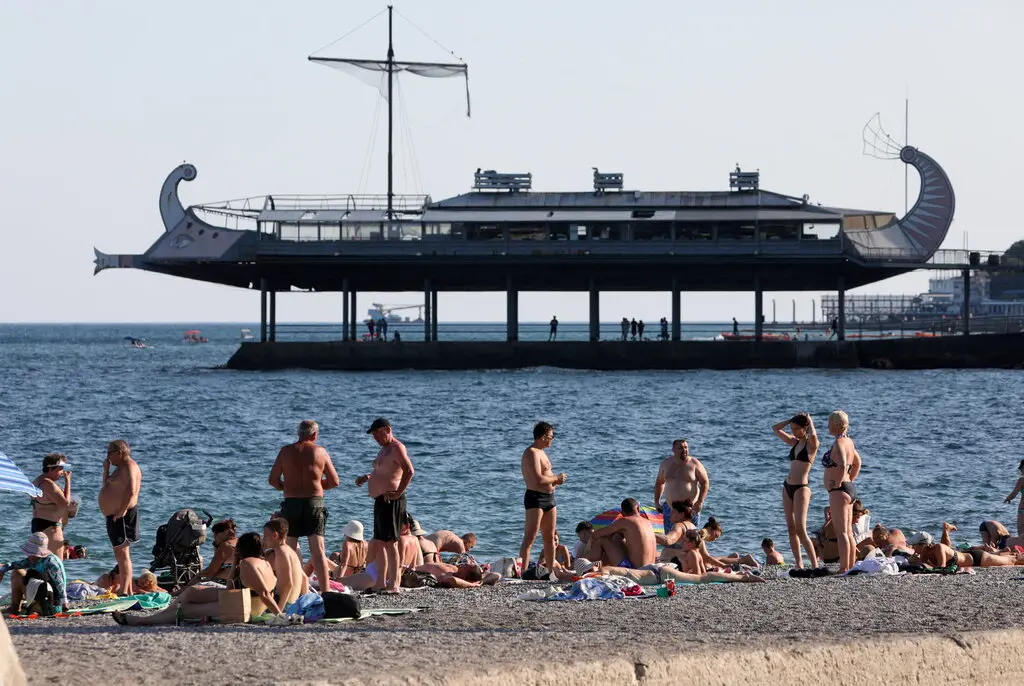
The shortages have arrived just as Crimea enters its peak summer tourism season.
Businesses are reporting:
- Increased cancellations from domestic tourists.
- Lower hotel occupancy rates.
- Reduced bookings for guided tours and local attractions.
- Financial pressure on restaurants, wineries, and hospitality operators.
Because most visitors travel to Crimea by road, fuel availability has become a major factor influencing holiday plans.
Russia Responds With Emergency Fuel Measures
To ease the growing shortage, Russian authorities have implemented several emergency actions.
These include:
- Suspending gasoline exports to prioritise domestic supply.
- Planning rare seaborne gasoline imports from Asia.
- Increasing refinery operations where possible.
- Coordinating fuel distribution to the hardest-hit regions.
Despite these efforts, analysts warn that supply constraints could continue if Ukrainian attacks persist.
Security Measures Tightened Across Crimea
Alongside fuel shortages, Russian-installed authorities have introduced additional security measures.
New restrictions include:
- A nighttime ban on motorcycles, scooters, and quad bikes.
- Enhanced protection around military and energy facilities.
- Increased monitoring of transport routes.
- Expanded air-defence activity following repeated drone attacks.
Officials say the motorcycle ban was introduced because engine noise can resemble incoming drones, potentially interfering with air-defence responses.
Strategic Importance of Crimea
Crimea remains one of Russia’s most strategically important territories.
The peninsula serves as:
- Home to Russia’s Black Sea Fleet.
- A major military logistics hub.
- A key supply corridor for Russian forces in southern Ukraine.
- An important energy and transport centre.
Disrupting fuel deliveries therefore has both military and economic consequences.
Conclusion
The worsening fuel shortages in Crimea demonstrate how Ukraine’s evolving drone strategy is extending beyond the battlefield to target Russia’s logistical infrastructure. As fuel rationing, transport disruptions, and tourism losses continue to mount, the campaign is placing increasing pressure on Russia’s ability to sustain both civilian life and military operations on the occupied peninsula.