Southern Europe is facing one of its most severe wildfire emergencies in recent years as intense heat, dry conditions, and strong winds fuel destructive fires across France and Spain. Thousands of people have been forced to evacuate as emergency crews battle fast-moving blazes that have overwhelmed local firefighting efforts.
The crisis highlights the growing impact of extreme weather across Europe, where rising temperatures and changing climate patterns are increasing the frequency and intensity of wildfires.
Spain Declares National Emergency as Fires Spread
Spain declared a national emergency after major wildfires affected areas near Madrid and the province of Ávila. Thousands of residents were evacuated as flames spread rapidly through dry landscapes.
Authorities described the situation as critical, with emergency teams working to contain multiple fires. More than 10,000 people were forced to leave their homes as firefighters, military units, and emergency services responded.
The fires have placed significant pressure on Spain’s emergency response system, with officials warning that high temperatures and dry vegetation could allow additional outbreaks.
France Battles Major Wildfires Along Atlantic Coast
France has also faced a major wildfire crisis, particularly in the southwest.
A large fire near the Cap Ferret peninsula and areas around Gironde forced mass evacuations, including thousands of residents and tourists. Authorities deployed hundreds of firefighters and aircraft to slow the spread of flames.
The affected region includes popular coastal destinations, increasing the challenge for emergency services managing both local communities and visitors during peak summer travel season.
Extreme Heat Creates Dangerous Fire Conditions
Scientists and climate experts have warned that Europe’s warming climate is creating conditions that make wildfires more likely.
Several factors are contributing to the severity of the fires:
- Record-breaking temperatures
- Dry vegetation
- Strong winds
- Extended heatwaves
- Water shortages
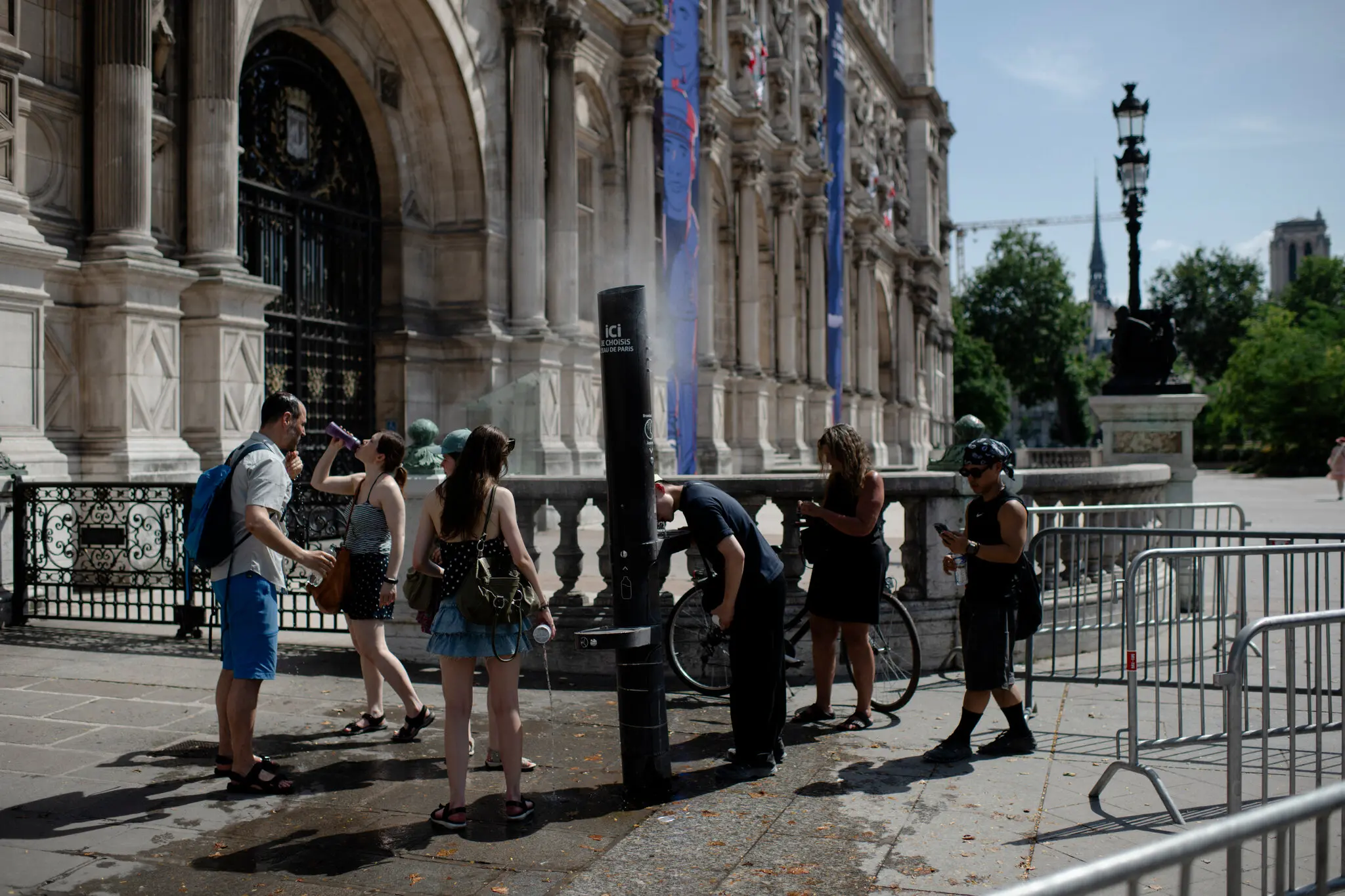
Europe has experienced repeated heatwaves in 2026, leaving forests and grasslands extremely vulnerable to ignition and rapid fire spread.
Climate Change and Increasing Wildfire Risks
The wildfire crisis has renewed debate about the effects of climate change on European weather patterns.
Scientists say warmer temperatures increase evaporation, dry out vegetation, and create longer fire seasons. Southern European countries, including Spain, France, Italy, and Greece, have become increasingly exposed to extreme heat events.
Climate change does not directly start every wildfire, but it creates conditions where fires can become larger, spread faster, and become harder to control.
Emergency Response Across Europe
France and Spain have received support through national and European emergency systems.
Firefighters are using:
- Ground crews
- Water-dropping aircraft
- Military emergency teams
- Evacuation operations
- International assistance
European countries have increasingly relied on cooperation during major wildfire events because large-scale fires can exceed the resources of individual regions.
Impact on Communities and Tourism
The wildfires are affecting thousands of families, businesses, and local economies.
Major impacts include:
- Evacuations from homes
- Damage to property
- Tourist disruptions
- Agricultural losses
- Air quality problems
Popular summer destinations have faced significant challenges as authorities prioritize safety over tourism activity.
A Growing Challenge for European Governments
The 2026 wildfire season is putting pressure on governments to improve climate adaptation strategies.
Officials are focusing on:
- Better forest management
- Expanded firefighting capacity
- Early warning systems
- Climate resilience planning
- Public safety measures
However, experts warn that emergency response alone cannot solve the problem without addressing the broader causes behind rising temperatures and extreme weather.
What Happens Next?
Authorities are closely monitoring weather conditions because continued heat and dry winds could trigger additional fires.
Key concerns include:
- Whether temperatures will continue rising
- Whether fires can be fully contained
- Whether more communities will require evacuation
- How governments prepare for future wildfire seasons
The situation demonstrates how extreme weather events are becoming a major security and economic challenge for European countries.
Conclusion
The wildfires spreading across France and Spain in 2026 represent a major climate and emergency management challenge for Europe. Extreme heat, dry conditions, and changing weather patterns have created dangerous conditions that allow fires to spread quickly.
As southern Europe faces increasingly severe wildfire seasons, governments are being forced to rethink how they prepare communities, protect natural areas, and respond to climate-related disasters.
The crisis serves as another warning that extreme weather is becoming a defining challenge of the modern era.