
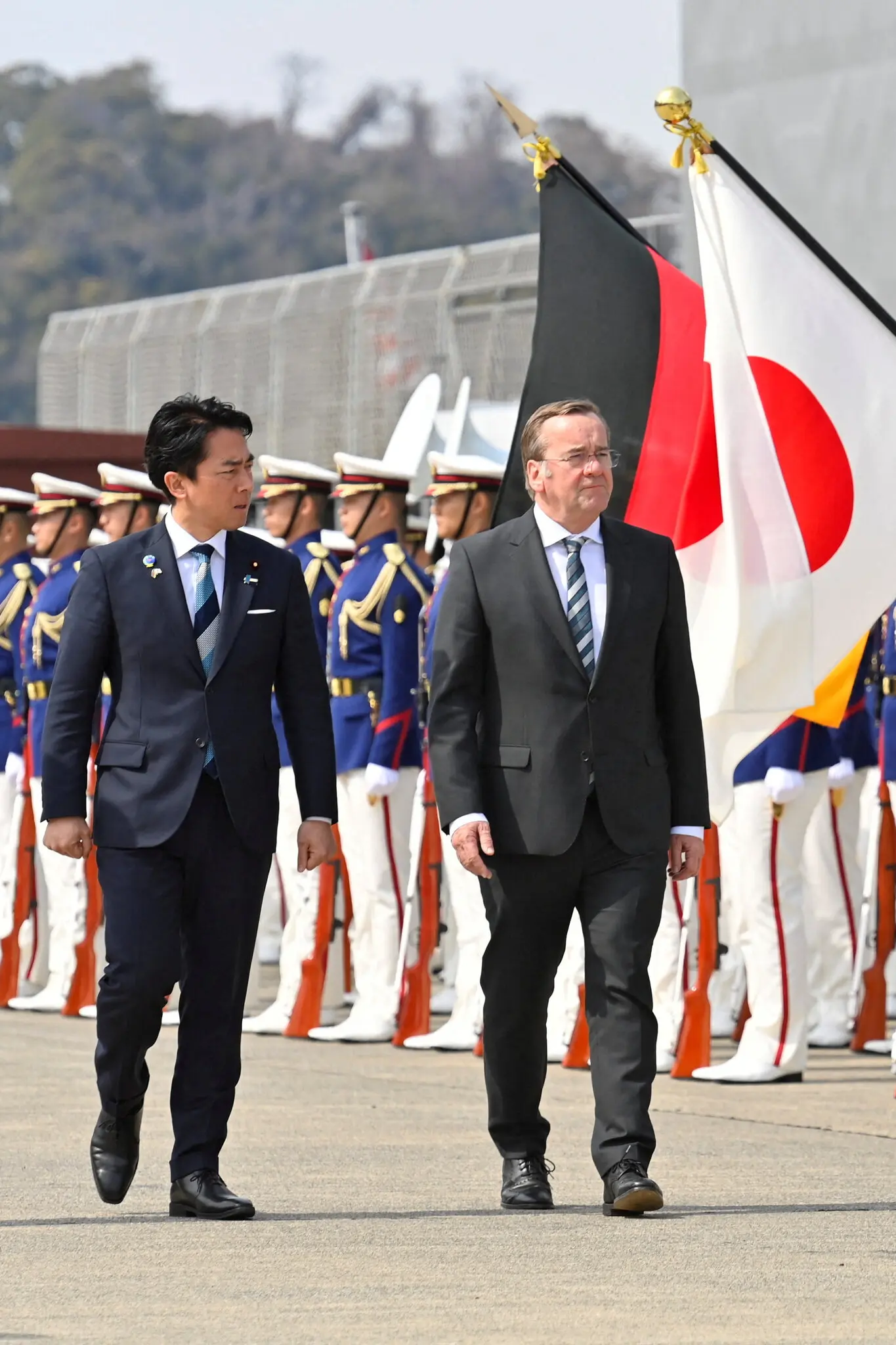
Germany and Japan are undergoing a significant strategic transformation, moving further away from post-World War II military restraint and expanding their defence capabilities in response to rising global instability, particularly involving Russia, China, and evolving United States security commitments.
The shift reflects a broader reordering of global security architecture, where traditional alliances are being redefined and former pacifist-oriented powers are taking on expanded military roles.
A Historic Shift Away From Post-War Constraints
Both Germany and Japan were long defined by constitutional, political, and cultural limitations on military expansion after 1945. However, the current geopolitical environment has pushed both countries to reconsider those constraints.
Key drivers include:
- Russia’s continued military pressure in Europe
- China’s expanding influence in the Indo-Pacific region
- Uncertainty over long-term US security guarantees
- Rising demand from NATO and allied partners for burden-sharing
This combination has created strong momentum for defence expansion in both countries.
Germany’s Expanding Military Role in Europe
Germany is rapidly increasing its defence spending and military readiness, marking one of the most significant shifts in European security policy in decades.
Key developments include:
- Sustained increases in defence budgets
- Modernisation of military infrastructure and equipment
- Stronger integration with NATO operations
- Expansion of industrial defence production capacity
German policymakers argue that the country must take greater responsibility for European security, especially as tensions with Russia remain high and US strategic priorities evolve.
Japan’s Strategic Reorientation in Asia
Japan is also expanding its military posture, marking a historic departure from its traditionally pacifist defence policy.
Key trends include:
- Higher defence spending and long-term military investment plans
- Greater focus on missile defence and maritime security
- Closer coordination with the United States and regional partners
- Gradual relaxation of restrictions on defence capabilities
Japan’s shift is largely driven by regional security concerns, particularly tensions involving China, North Korea, and contested maritime territories.
US Influence and Changing Alliance Expectations
The evolving positions of Germany and Japan are closely tied to changing expectations from the United States.
Under shifting US strategic priorities:
- Allies are being encouraged to increase defence spending
- Greater burden-sharing is being demanded within NATO and Indo-Pacific frameworks
- Long-standing assumptions about guaranteed US military protection are being reassessed
- Defence cooperation is becoming more transactional and flexible
This has accelerated decisions in both Berlin and Tokyo to strengthen independent defence capabilities while maintaining alliance structures.
Rising Global Security Fragmentation
The combined rearmament trends reflect a broader global pattern of strategic fragmentation.
Key implications include:
- Increased global military spending across major economies
- Strengthening of regional defence blocs
- Reduced reliance on post-Cold War security assumptions
- Greater focus on deterrence rather than diplomacy alone
Analysts suggest this marks a shift toward a more multipolar security order, where military preparedness plays a central role in international relations.
Economic and Industrial Impact
The military expansion in both countries is also reshaping defence industries and economic priorities.
Effects include:
- Growth in defence manufacturing sectors
- Increased investment in advanced military technologies
- Expansion of public-private defence partnerships
- Pressure on national budgets amid competing domestic priorities
This transformation is expected to have long-term implications for both European and Asian industrial strategies.
Conclusion
The accelerating rearmament of Germany and Japan signals a defining moment in global geopolitics. Once characterised by post-war military restraint, both nations are now repositioning themselves as active security contributors in an increasingly unstable world.
While their approaches differ based on regional threats, their shared trajectory reflects a fundamental shift: the return of hard security considerations to the centre of global policy-making.