
Russian forces are increasing pressure on the strategic cities of Sloviansk and Kramatorsk in Ukraine’s Donetsk region, raising concerns about a new phase in the battle for control of the Donbas. Military analysts say recent advances and intensified attacks indicate Moscow’s continued focus on capturing the remaining Ukrainian-held areas of Donetsk Oblast.
The renewed offensive comes as both sides continue to commit significant resources to one of the longest-running fronts of the war.
Why Sloviansk and Kramatorsk Matter
Sloviansk and Kramatorsk remain the most important Ukrainian-controlled cities in the northern part of the Donetsk region.
Their strategic significance includes:
- Serving as major logistical and military hubs
- Supporting Ukrainian defensive operations across the Donbas
- Providing transport and supply connections for frontline forces
- Acting as symbols of continued Ukrainian resistance in eastern Ukraine
If Russia were to capture both cities, it would move closer to achieving its long-stated objective of controlling all of Donetsk Oblast.
Russian Forces Increase Military Pressure
Recent military activity suggests Russia is attempting to gradually tighten pressure on Ukrainian positions surrounding the two cities.
Key developments reportedly include:
- Increased artillery bombardments
- Expanded drone reconnaissance operations
- Attacks on supply routes and infrastructure
- Continued advances in nearby rural areas
Military experts note that Russia appears to be pursuing a strategy of attrition, seeking to weaken Ukrainian defences over time rather than relying solely on rapid breakthroughs.
Ukraine Strengthens Defensive Positions
In response, Ukrainian forces have reinforced defensive lines throughout the region.
Defensive measures include:
- Construction of additional fortifications
- Deployment of drone surveillance systems
- Reinforcement of frontline units
- Increased protection of supply corridors
Ukrainian commanders have repeatedly stated that maintaining control of Sloviansk and Kramatorsk remains a critical objective.
Humanitarian Impact on Civilians
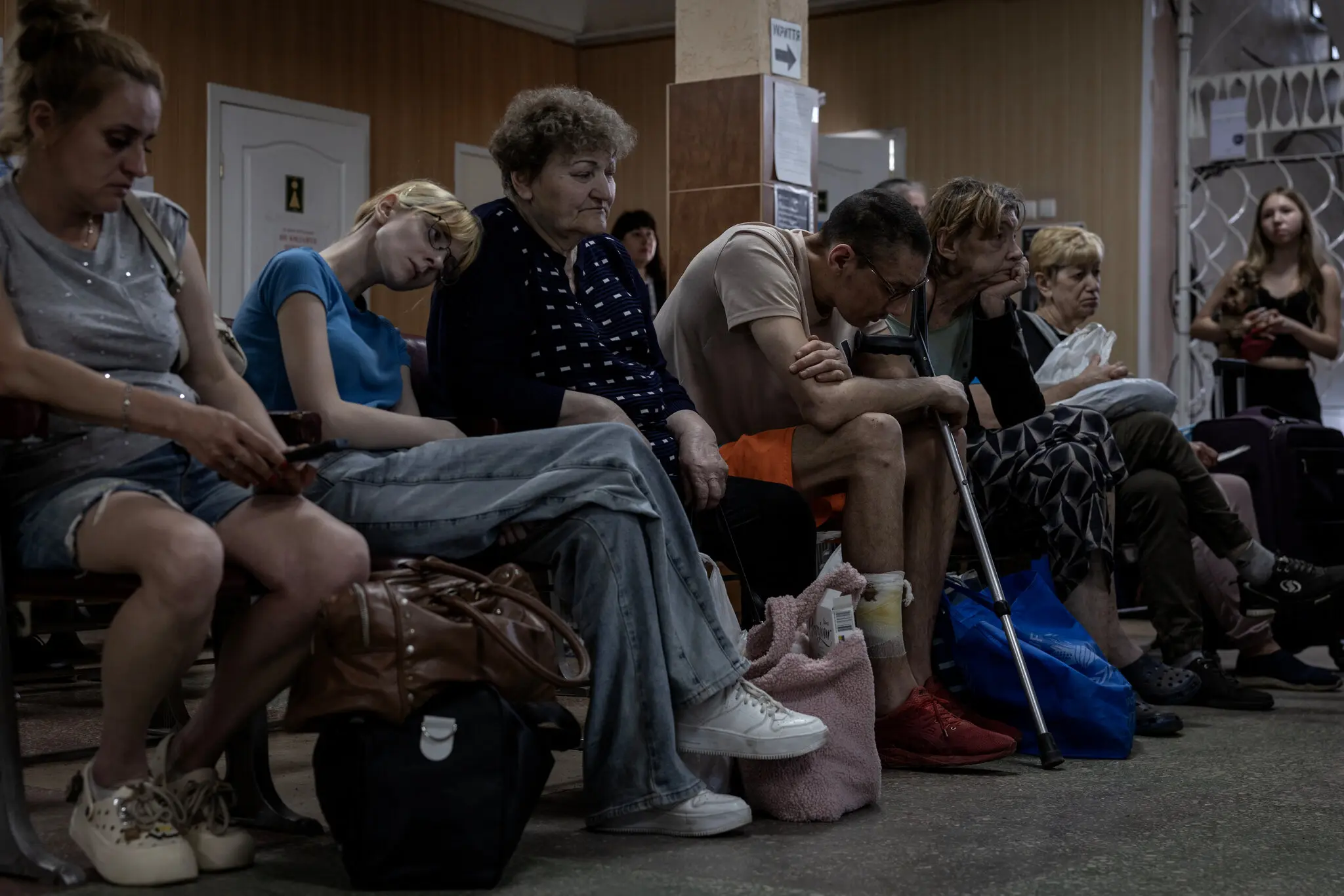
The escalation has further affected civilians living in the Donetsk region.
Challenges facing local residents include:
- Continued shelling and security threats
- Damage to homes and public infrastructure
- Disruptions to electricity and water supplies
- Ongoing evacuations from frontline communities
Humanitarian organisations continue to assist residents who remain in areas affected by the fighting.
Donbas Remains Central to the War
More than four years after the full-scale invasion began, the Donbas remains one of the war’s most contested regions.
For Russia, control of the area would provide:
- Greater territorial consolidation in eastern Ukraine
- Political justification for military objectives
- Improved logistical connections across occupied territories
For Ukraine, retaining the region remains essential to preserving territorial integrity and preventing further Russian advances.
International Attention Focuses on Eastern Front
Western governments and military observers continue to closely monitor developments around Sloviansk and Kramatorsk.
Areas of focus include:
- The effectiveness of Ukrainian defensive operations
- Russian manpower and equipment losses
- Availability of military assistance for Ukraine
- Potential shifts in the broader battlefield situation
The outcome of fighting in this sector could influence military planning on both sides during the remainder of 2026.
Conclusion
As Russian forces intensify their campaign in eastern Ukraine, Sloviansk and Kramatorsk have once again become focal points of the conflict. The battle for these strategically important cities reflects the broader struggle for control of the Donbas and could play a significant role in shaping the next stage of the war. With both sides reinforcing their positions, the region is expected to remain a major battlefield in the months ahead.