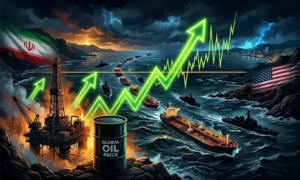
Oil was hovering above $100 a barrel and there were no public signs of a breakthrough in peace efforts. The White House said President Trump does not view Iran’s reported seizures as a cease-fire violation.
Introduction: A Conflict That Is Reshaping Global Markets
The ongoing Iran conflict has entered a new and highly volatile phase, with fresh reports of Iranian forces seizing cargo vessels near the Strait of Hormuz. These developments have pushed global oil prices above $100 per barrel and deepened fears of a prolonged disruption in international energy supplies.
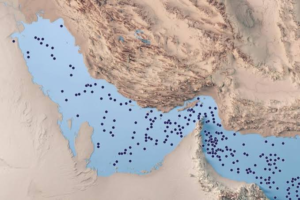
At the center of the crisis is the strategic waterway that connects the Persian Gulf to global markets, through which a significant share of the world’s oil and gas normally flows. With shipping activity severely restricted, the economic impact is spreading far beyond the region.
Oil Prices Surge Above $100 Amid Supply Fears
Global oil markets reacted sharply after reports that Iranian forces, linked to the Islamic Revolutionary Guard Corps, intercepted and seized commercial vessels near the Strait of Hormuz.
Traders pushed crude oil prices above $100 per barrel once again, reflecting fears that energy supplies could be further disrupted. The Strait, historically responsible for transporting nearly one-fifth of global oil shipments, has become a focal point of geopolitical tension.
With shipping routes unstable, companies are increasingly avoiding the region, adding further pressure on already strained global supply chains.
Strait of Hormuz: The World’s Most Critical Energy Chokepoint
The Strait of Hormuz has effectively become the central battleground of the crisis. Iranian restrictions and military activity have significantly reduced maritime traffic, creating what analysts describe as a near blockade situation.
The disruption has led to a sharp decline in vessel movement, with many commercial shipping companies rerouting or halting operations entirely due to safety risks.
Energy experts warn that prolonged instability in this corridor could trigger shortages in oil, diesel, and aviation fuel across multiple continents, potentially impacting global inflation and economic growth.
Iran’s Position: Security and Strategic Defense
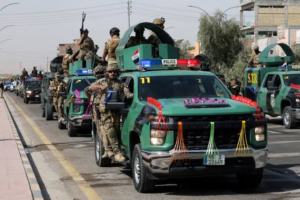
Iranian officials argue that their actions in the Strait are defensive and aimed at protecting national interests. Foreign Minister Abbas Araghchi has stated that Iran’s measures are intended to respond to external threats, particularly from the United States and Israel.
According to Tehran, ongoing military pressure and naval blockades justify its tightening control over maritime routes. Iranian leadership has placed responsibility for the escalation on foreign intervention, insisting that its actions are reactive rather than aggressive.
U.S. Response and Political Messaging
The White House has taken a cautious public stance regarding the latest developments. Officials stated that President Donald Trump does not view the reported seizures as a violation of the current cease-fire framework, emphasizing that the affected vessels were neither American nor Israeli.
Despite earlier threats of military escalation, the administration has recently signaled a more flexible position, suggesting that there is “no timeline” for concluding the conflict or restarting peace negotiations.
This mixed messaging reflects a broader uncertainty in Washington about how to balance military pressure with diplomatic engagement.
Global Economic Impact: Inflation and Energy Shock Risks
International agencies are increasingly warning about the wider economic consequences of the conflict. The International Energy Agency has described the situation as one of the most serious energy security threats in modern history.
Reduced oil flows have already contributed to rising fuel prices in multiple regions. Economists caution that continued disruption could lead to:
- Increased inflation in fuel-dependent economies
- Supply shortages in aviation and transportation sectors
- Higher costs for global trade and shipping
- Pressure on emerging markets reliant on imported energy
Countries such as Pakistan and others in Asia are already reporting rising domestic fuel costs and economic strain linked to the crisis.
Military Escalation and Shipping Disruptions
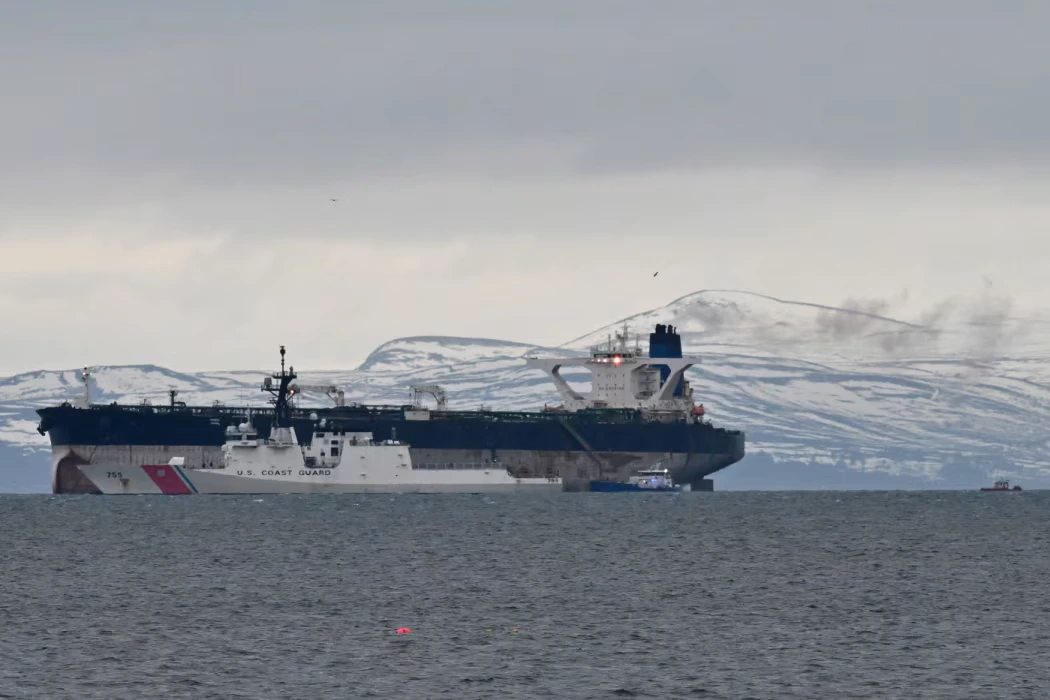
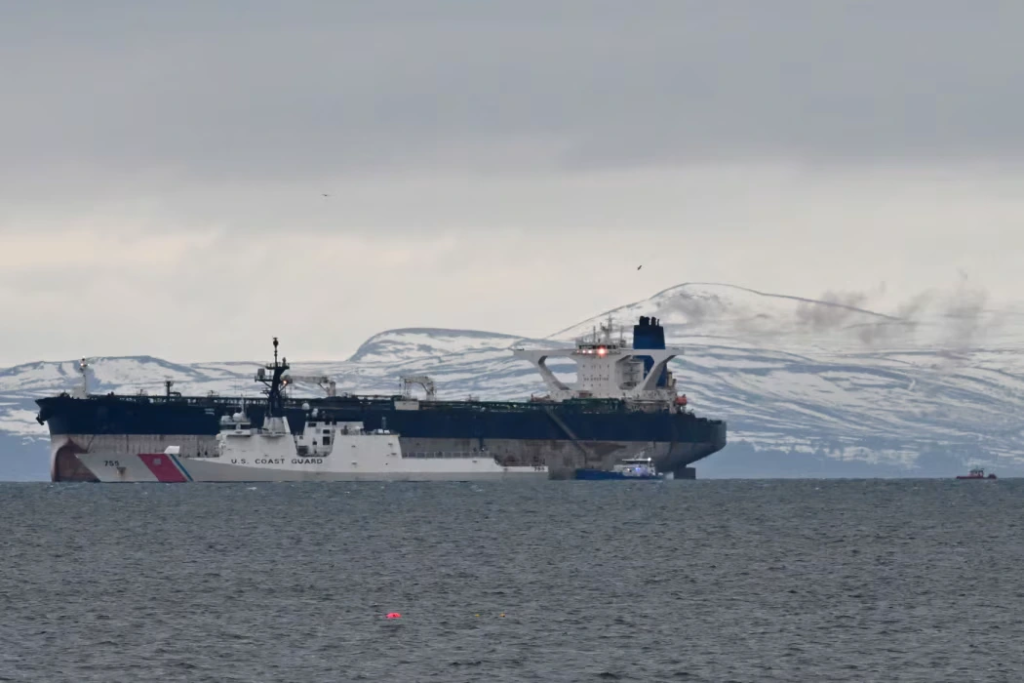
The reported seizure of vessels such as the MSC Francesca and Epaminondas highlights the growing risks faced by commercial shipping in the region. These incidents have intensified fears that civilian maritime traffic could become a sustained target in the broader conflict.
Shipping firms are increasingly suspending operations in the Strait, while insurers have raised premiums significantly for vessels attempting passage.
The uncertainty has effectively created a partial shutdown of one of the world’s most important maritime trade routes.
Regional Stability and Expanding Tensions
The conflict has also had ripple effects across the broader Middle East. Clashes and strikes involving Iran-aligned groups have continued in multiple areas, including Lebanon, where cross-border violence has disrupted a fragile cease-fire arrangement.
Meanwhile, diplomatic efforts involving third-party mediators such as Pakistan have struggled to produce meaningful progress, as negotiations between Iran and the United States remain stalled.
Conclusion: A Crisis With No Clear End in Sight
The latest escalation in the Iran conflict underscores how quickly regional tensions can evolve into a global economic crisis. With oil prices rising, shipping routes disrupted, and diplomatic talks stalled, the situation remains highly unstable.
The Strait of Hormuz has once again become the world’s most critical pressure point—where military actions, economic interests, and geopolitical strategy intersect.
Until a stable diplomatic framework emerges, global markets are likely to remain vulnerable to sudden shocks driven by developments in this strategically vital region.