Introduction
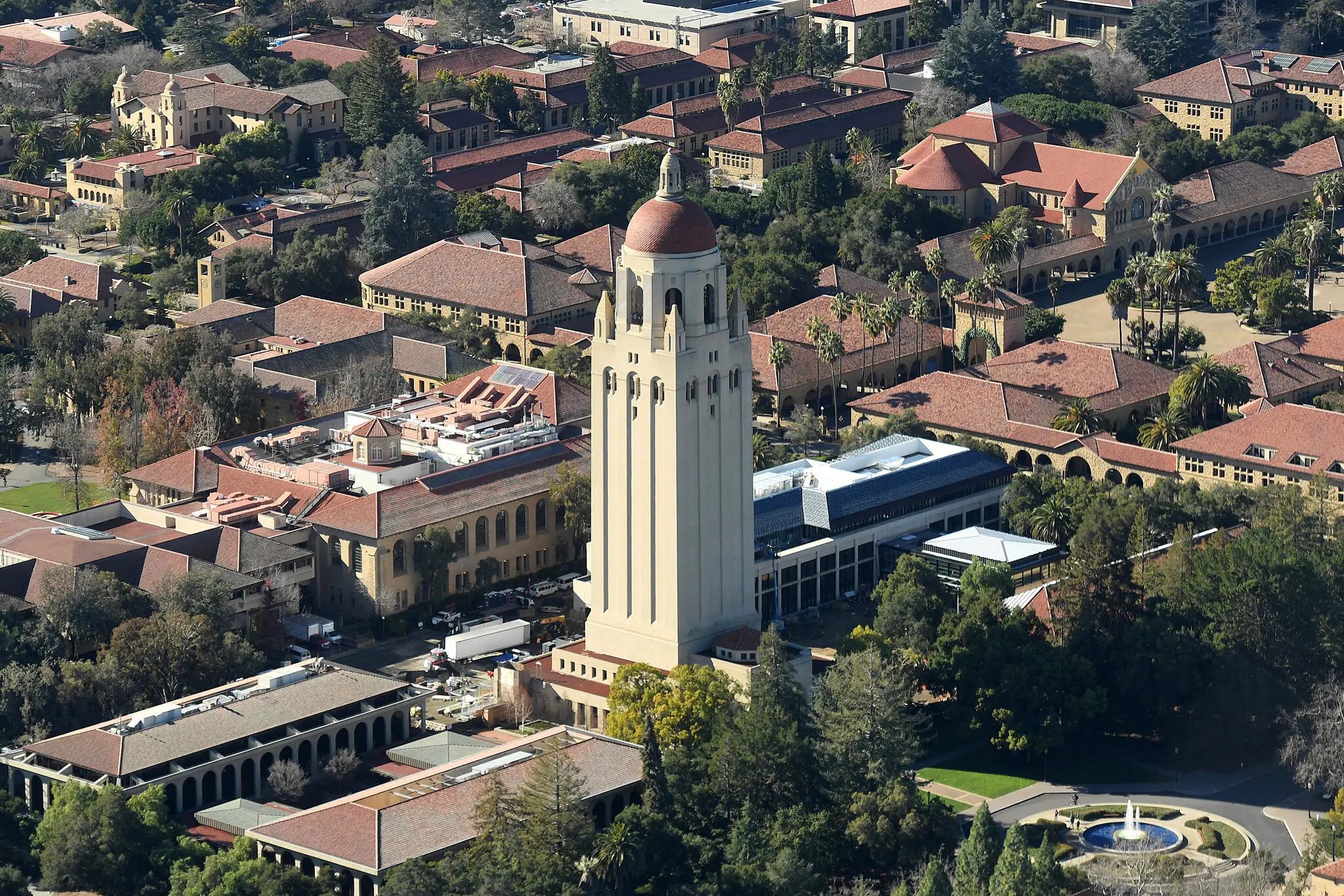
Theo Baker’s How to Rule the World: An Education in Power at Stanford University is one of the most talked-about nonfiction releases of 2026. The book blends investigative journalism with a coming-of-age story, revealing how Silicon Valley culture, venture capital influence, and elite education intersect inside Stanford University. (kirkusreviews.com)
A Student Turned Investigative Journalist
Baker entered Stanford as a tech-focused student but quickly became known for his investigative reporting. While still an undergraduate, his journalism helped uncover serious issues within the university, including flawed scientific research that contributed to the resignation of Stanford’s president. (kirkusreviews.com)
This experience positioned him uniquely: both an insider within the system and a critic documenting its hidden structures.
The “Stanford Inside Stanford” System
A central theme of the book is what Baker describes as an “internal ecosystem” within Stanford—an elite network where venture capitalists, tech founders, and ambitious students interact in highly exclusive environments.
He describes how wealthy investors actively seek out young talent on campus, offering funding, mentorship, and opportunities that often blur the line between education and startup culture. (axios.com)
In this environment, students are not just learners—they are seen as future assets in a high-stakes innovation pipeline.
Power, Money, and Early Opportunity
Baker’s reporting highlights how Silicon Valley’s influence transforms Stanford into something beyond a university. It becomes a space where ambition is accelerated, and students are pushed toward entrepreneurship at an unusually early stage.
According to the book’s findings, this system rewards “high-agency individuals” and creates informal networks where access to capital and opportunity is heavily concentrated among a select group of students. (axios.com)
The Culture of “Rule the World” Thinking
The title of the book comes from an unofficial, invitation-only environment where students discuss leadership, influence, and global impact. This reflects a broader mindset at Stanford where ambition is not just encouraged—it is industrialized.
Baker uses this setting to question how ideas of success are shaped. He explores whether this culture produces genuine innovation or simply reinforces existing power structures.
A Debate About Ethics and Influence
One of the strongest elements of the book is its critique of how closely Stanford is tied to Silicon Valley’s wealth ecosystem. Baker argues that the relationship between academia and venture capital has created a “Faustian bargain,” where innovation and ethical boundaries often collide. (kirkusreviews.com)
Critics and supporters of the book differ sharply. Some see it as an essential expose of elite institutions, while others argue that Baker’s proximity to power gives him both insight and bias.
Writing Style and Perspective
The book combines investigative reporting with memoir-style storytelling. Baker moves between personal experiences, interviews, and institutional analysis, making the narrative both readable and deeply layered.
This dual perspective—student and journalist—gives the book its strength, allowing readers to see both the emotional and structural realities of elite academic life.
Conclusion
How to Rule the World is not just a book about Stanford. It is a broader reflection on how power is built, accessed, and distributed in modern Silicon Valley culture. Theo Baker exposes a world where education, entrepreneurship, and influence are tightly interwoven.
Whether viewed as a critique or an insider’s guide, the book raises an important question: who really gets to “rule the world,” and at what cost?