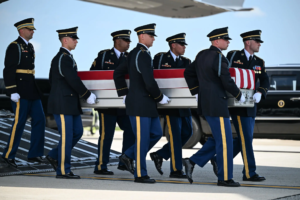
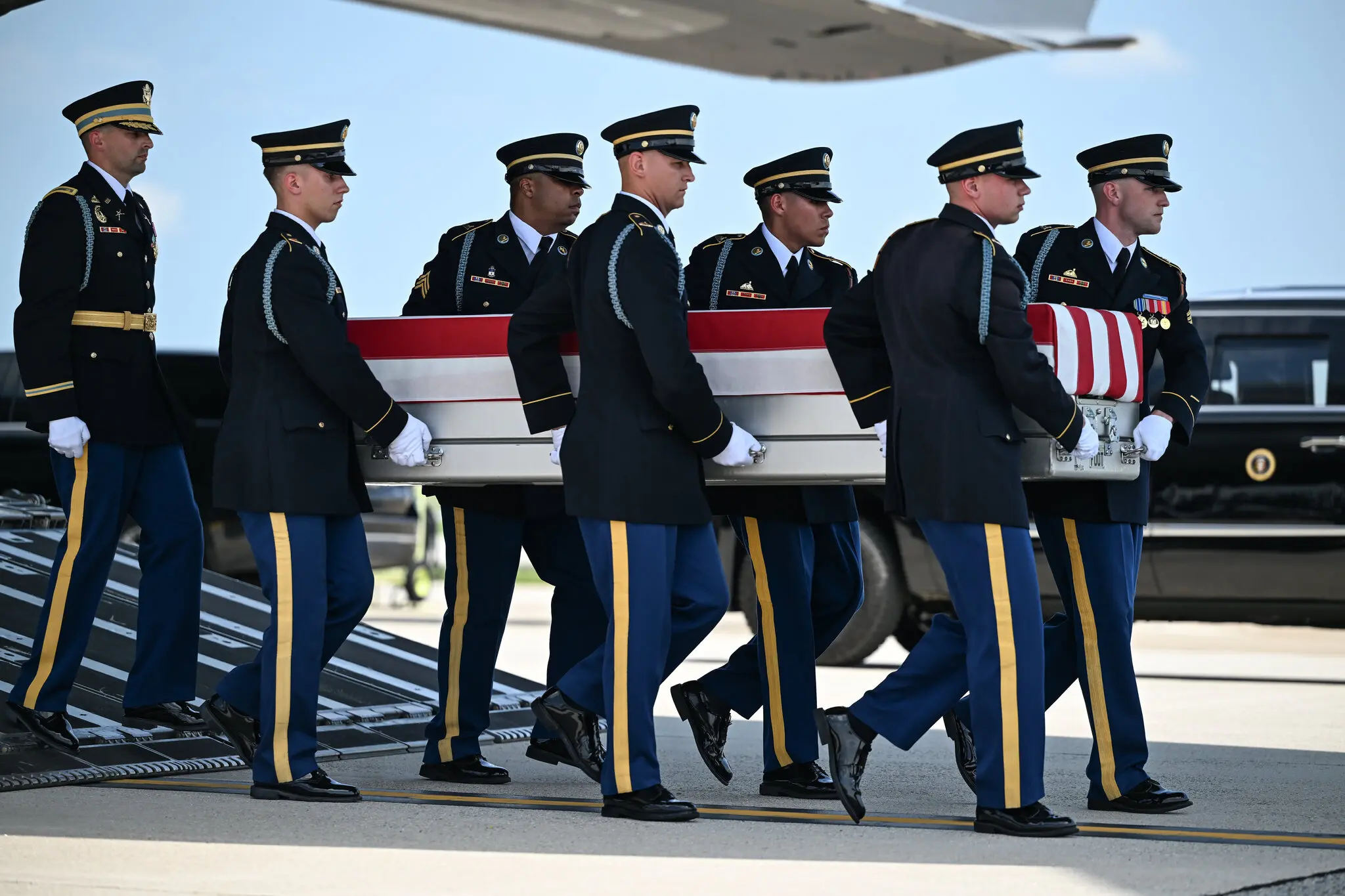
The growing number of U.S. military deaths in the Iran conflict has intensified political pressure on the Trump administration, raising new questions about the cost, strategy, and future direction of the war. As American service members are killed in attacks linked to the conflict, lawmakers and the public are increasingly debating whether the United States should continue its military operations.
The deaths have become a major turning point in the conflict because they have shifted attention from battlefield operations to the human and political costs of the war. Families, lawmakers, and military officials are now facing difficult questions about the risks faced by U.S. forces deployed across the Middle East.
U.S. Troop Deaths Become a Major Political Issue
The deaths of American service members have increased pressure on President Donald Trump as the Iran war continues without a clear end. The administration has argued that military action is necessary to protect U.S. interests and counter threats from Iran, but critics say the conflict requires clearer objectives and congressional oversight.
Congressional concerns have grown as lawmakers debate whether the president has exceeded his authority by continuing military operations without a new authorization from Congress. The House passed a resolution seeking to limit further military action against Iran unless lawmakers approve it.
Recent Attacks Increase American Casualties
Recent Iranian attacks on U.S. positions in the region have resulted in additional American military deaths and injuries.
The Pentagon has reported deaths connected to attacks in locations including Jordan and Iraq, where U.S. forces have been operating as part of the broader conflict.
The casualties have intensified concerns about the safety of American troops stationed overseas and whether the conflict is moving toward a larger regional war.
Pentagon Faces Questions Over Casualty Reporting
The Pentagon has faced scrutiny after changes appeared in its official casualty reporting system.
Reports indicated that the number of U.S. service members listed as killed in the Iran war was reduced after several deaths were removed from the official count. Defense officials said the change was related to data issues, while critics questioned the timing and transparency of the adjustment.
The issue has added another layer of controversy to an already politically sensitive conflict.
Trump Administration Defends Military Strategy
The Trump administration has defended its approach, arguing that military pressure is needed to prevent Iran from threatening American forces and regional allies.
Officials have emphasized that responding to attacks on U.S. personnel is necessary to maintain deterrence and protect American interests abroad.
However, critics argue that continued escalation could create a cycle of retaliation that increases risks for both U.S. troops and civilians in the region.
Growing Debate in Congress
The war has created divisions in Washington.
Supporters of continued military action argue that withdrawing too quickly could weaken U.S. credibility and encourage further attacks.
Opponents argue that the administration needs congressional approval before continuing a major military campaign.
The House vote seeking to restrict war powers reflected growing concerns among lawmakers from both parties about the direction of the conflict.
Financial Cost of the Iran War
Beyond military casualties, the conflict has created significant financial costs.
The war has increased government spending, affected energy markets, and contributed to economic uncertainty. Rising oil prices have added pressure on consumers and businesses worldwide.
Military expenses and long-term commitments are becoming important issues as politicians debate future funding.
Impact on U.S. Public Opinion
Military deaths often influence public attitudes toward foreign conflicts.
As casualties increase, questions about:
- The purpose of the war
- The timeline for withdrawal
- The risks to service members
- The overall strategy
are becoming central issues in public debate.
The administration faces growing pressure to explain how the conflict can achieve its goals and what conditions would allow American forces to leave.
Risk of Wider Regional Escalation
The deaths of U.S. troops also highlight the possibility that the Iran conflict could expand.
American forces across the Middle East remain vulnerable to attacks from Iran and aligned groups, while continued retaliation could draw additional countries into the conflict.
A wider escalation could affect:
- Regional security
- Global energy markets
- International alliances
- Military deployments
What Happens Next?
Several major questions will shape the future of the conflict:
- Will U.S. military operations expand or decrease?
- Will Congress attempt further restrictions on presidential war powers?
- Can diplomatic negotiations reduce tensions?
- Will additional American troops become involved?
The answers could determine whether the Iran war becomes a prolonged regional conflict or moves toward a negotiated solution.
Conclusion
The deaths of U.S. service members in the Iran war have transformed the conflict into a major political challenge for the Trump administration. Beyond the battlefield, the issue now involves questions of military strategy, congressional authority, financial costs, and public confidence.
As casualties rise and tensions continue, pressure will increase on U.S. leaders to define clear objectives and explain how the conflict can reach an end.