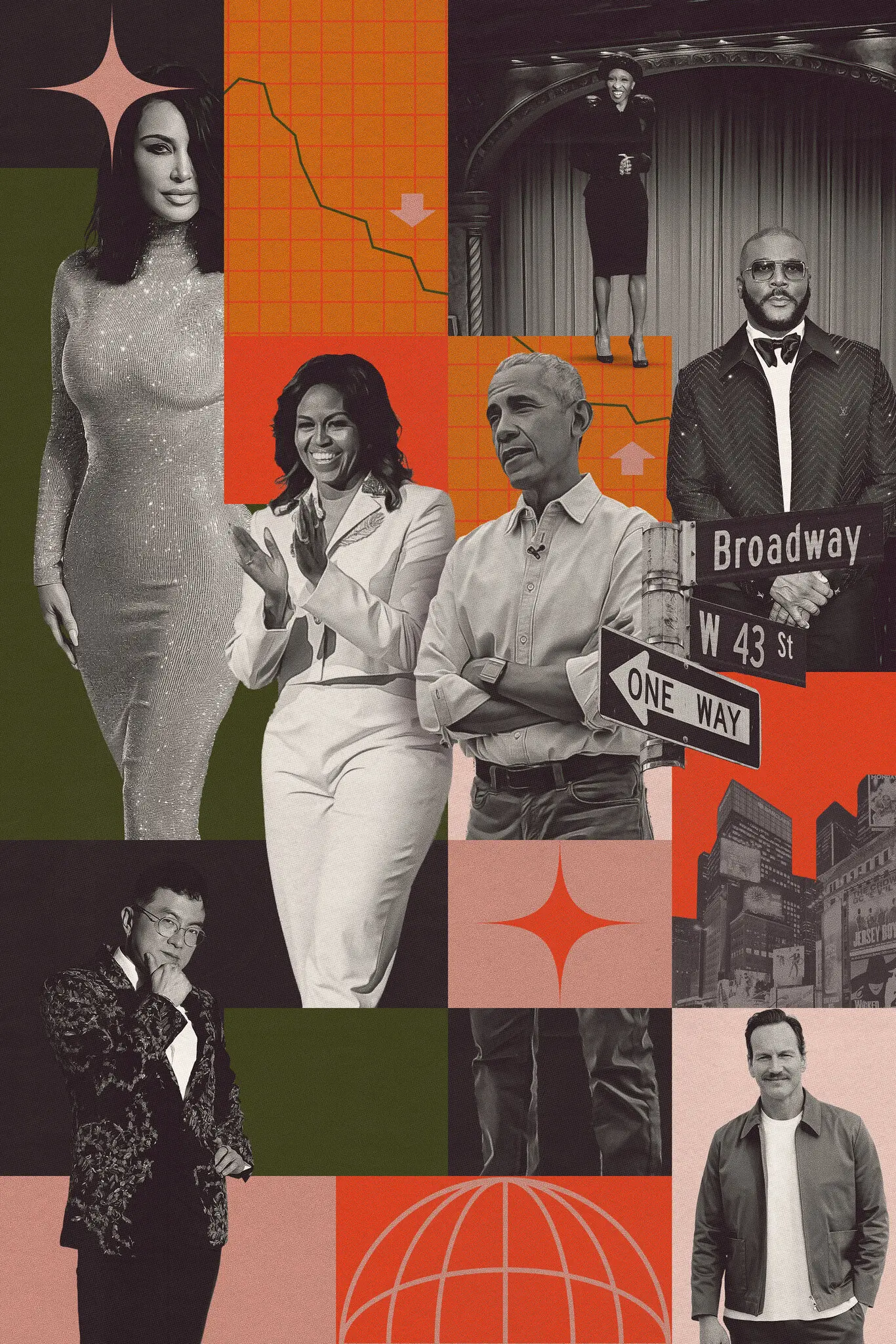
Broadway is seeing a noticeable shift as celebrities step behind the scenes—not as actors, but as co-producers. From politicians to pop stars and reality TV figures, big names are increasingly appearing in Playbills, signaling a new era where fame and theater intersect.
High-profile figures like Barack Obama and Michelle Obama have entered the Broadway world through their production company, Higher Ground. Their involvement in the revival of Proof marks a significant expansion of their storytelling efforts into live theater, following success in film and television.
They are not alone. Celebrities from different industries—including reality TV stars like Kim Kardashian and global pop icons like Katy Perry—are also attaching their names to Broadway productions. While they may not always be creatively involved in every detail, their presence plays an important role in funding, marketing, and attracting wider audiences.
This growing trend reflects how Broadway is evolving. Producing a show is expensive and risky, and having a recognizable name attached can help secure investment and generate buzz. Celebrity co-producers often bring financial backing, but more importantly, they bring visibility. Their fan bases can introduce theater to people who might not otherwise engage with it.
However, this shift has sparked debate within the theater community. Some industry insiders question whether celebrity involvement prioritizes star power over artistic merit. There is concern that productions might lean more toward marketability than creativity, potentially overshadowing emerging voices in theater.
At the same time, others argue that this trend is beneficial. Broadway has always relied on patrons and investors, and celebrity producers are simply a modern version of that tradition. If well-known figures help bring new audiences into theaters, they may ultimately strengthen the industry rather than harm it.
Another interesting aspect is how these celebrities choose projects. Many are drawn to meaningful, story-driven productions that align with their personal values or public image. For example, the Obamas have focused on storytelling that explores identity, legacy, and social themes—elements that translate well to the stage.
In some cases, celebrity involvement goes beyond funding. They may participate in creative discussions, promotional campaigns, or strategic decisions about the production. Even when their role is limited, their association can influence how a show is perceived by the public.
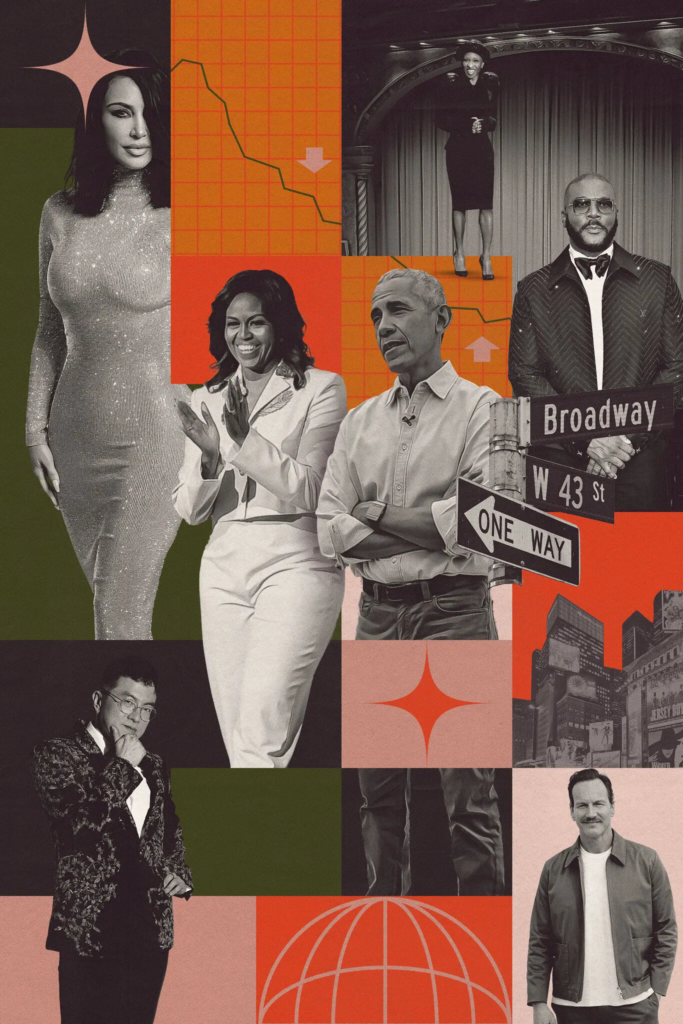
Broadway, traditionally seen as a space for trained actors and theater professionals, is now becoming more connected to mainstream pop culture. This blending of industries reflects a broader cultural shift, where entertainment boundaries are increasingly fluid.
Ultimately, the rise of celebrity co-producers highlights both opportunity and tension. It brings fresh energy, funding, and audiences to Broadway, but also raises questions about authenticity and artistic control. As more public figures step into producing roles, the theater world will continue to adapt—balancing commercial appeal with creative integrity.