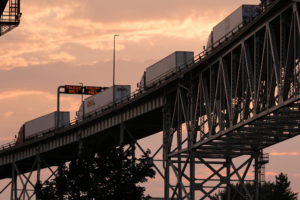
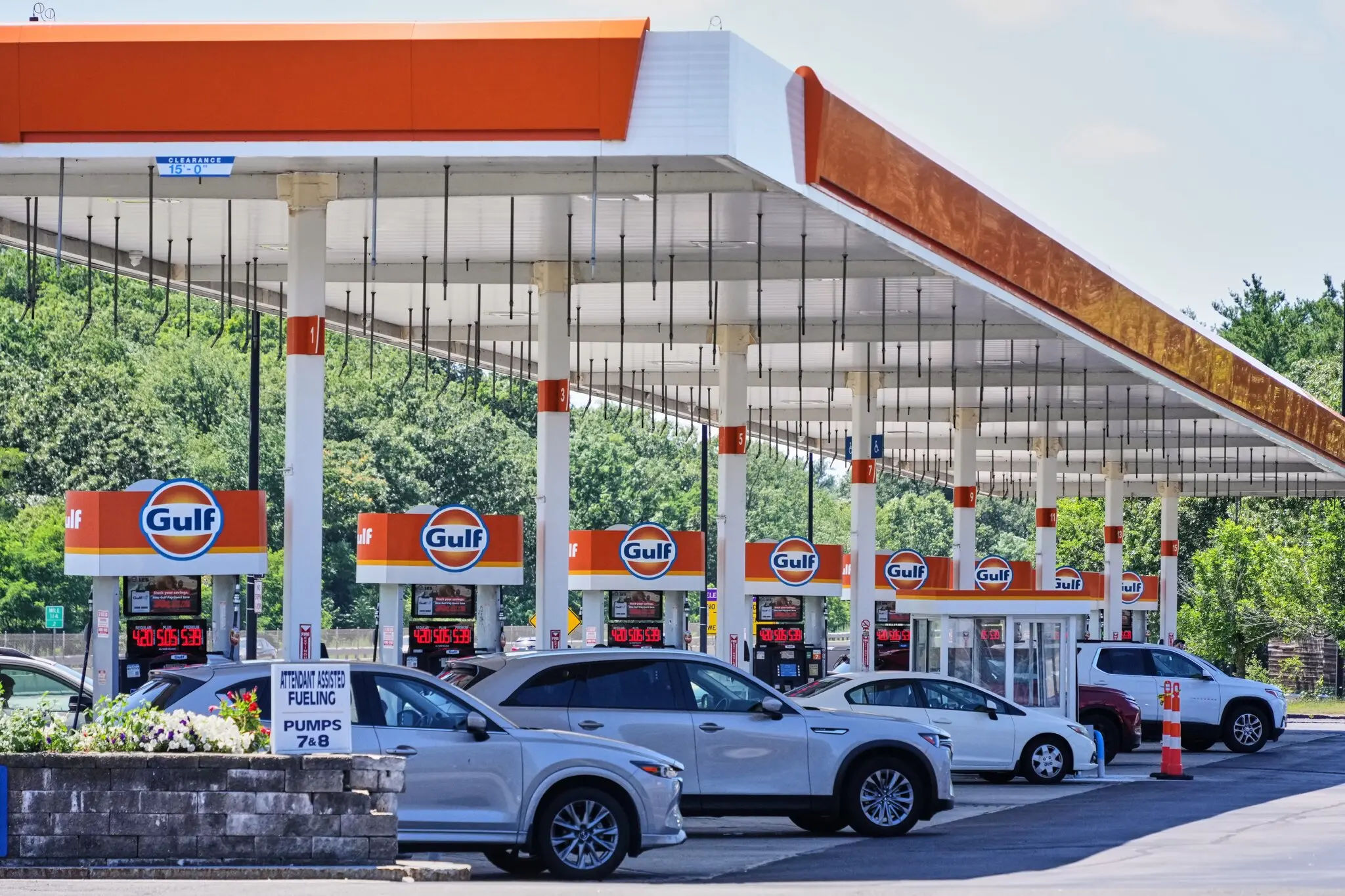
The global economy is facing renewed uncertainty as the conflict involving Iran combines with a new wave of U.S. tariffs, creating fresh risks for inflation, energy markets, and international trade. Businesses and consumers are dealing with higher costs as geopolitical tensions disrupt supply chains and increase pressure on governments and central banks.
The combination of military instability in the Middle East and expanding trade restrictions has created a challenging economic environment, with concerns that prolonged conflict could slow growth worldwide.
Energy Markets Face New Pressure From Iran Conflict
One of the biggest economic consequences of the Iran conflict has been increased uncertainty in global energy markets.
The Middle East remains one of the world’s most important energy-producing regions, and any disruption involving shipping routes, oil production, or infrastructure can quickly affect global prices.
Higher energy costs can impact:
- Transportation expenses
- Manufacturing costs
- Food prices
- Household energy bills
- Inflation rates
Previous concerns about disruptions around the Persian Gulf and the Strait of Hormuz have highlighted how regional conflicts can create worldwide economic consequences.
New U.S. Tariffs Increase Trade Uncertainty
At the same time, the United States has introduced new tariffs affecting dozens of trading partners.
The new duties range from approximately 10% to 12.5% on imports from around 60 countries, with the administration saying the measures are aimed at addressing concerns over forced-labor enforcement and trade practices.
The tariffs represent another major shift in global trade policy and could affect businesses that depend on international supply chains.
How Tariffs Could Affect Consumers
Tariffs are paid on imported goods entering a country, but their economic effects can spread throughout the supply chain.
Potential impacts include:
- Higher prices for imported products
- Increased costs for manufacturers
- Reduced profit margins for companies
- Changes in sourcing strategies
Businesses may respond by moving production, changing suppliers, or passing additional costs to consumers.
Businesses Face a Double Challenge
Companies are now dealing with two major sources of uncertainty:
Rising Energy Costs
The Iran conflict has increased concerns about fuel prices and transportation expenses.
Trade Barriers
New tariffs make international business planning more difficult by changing the cost of importing and exporting goods.
Together, these pressures could make companies more cautious about investment and expansion.
Inflation Risks Return
Economists are closely watching whether higher energy prices and tariffs could slow progress on inflation.
Energy costs influence many parts of the economy because fuel is required for:
- Shipping
- Agriculture
- Manufacturing
- Construction
- Retail operations
If businesses face higher costs, consumers may eventually see increases in prices for everyday goods.
Impact on Global Growth
The combination of conflict and trade restrictions could weaken economic growth if uncertainty continues.
Potential risks include:
- Lower business confidence
- Reduced investment
- Slower international trade
- Higher borrowing costs
- Pressure on emerging economies
European and Asian markets are particularly sensitive because many economies depend heavily on imported energy and global supply chains.
Central Banks Face Difficult Decisions
Central banks may face a challenging balance between controlling inflation and supporting economic growth.
If energy prices rise significantly, policymakers could face pressure to keep interest rates higher for longer.
However, higher borrowing costs can also slow:
- Business investment
- Housing markets
- Consumer spending
The economic impact will depend on how long energy disruptions and trade tensions continue.
Companies Prepare for a More Uncertain Environment
Many businesses are adjusting strategies to reduce exposure to geopolitical risks.
Common responses include:
- Diversifying suppliers
- Increasing inventory levels
- Moving manufacturing locations
- Reducing dependence on specific regions
Companies are increasingly prioritizing resilience over the lowest possible production costs.
Oil Prices Become a Key Indicator
Energy markets will remain one of the most important factors to watch.
Key questions include:
- Will the Iran conflict expand?
- Will shipping routes remain open?
- Will oil production be affected?
- How will governments respond?
A sustained increase in oil prices could create broader economic problems by increasing inflation and reducing consumer purchasing power.
The Global Economy Enters a New Period of Uncertainty
The combination of military conflict and changing trade policies shows how closely connected global economies have become.
Events in one region can quickly affect:
- Fuel prices
- Supply chains
- Currency markets
- Consumer costs
- Investment decisions
Businesses and governments are preparing for a period where geopolitical risks play a larger role in economic planning.
Conclusion
The Iran conflict and new U.S. tariffs have created significant challenges for the global economy in 2026. Rising energy concerns, trade disruptions, and inflation risks are forcing businesses and policymakers to adapt to a more uncertain environment.
While the full economic impact will depend on how conflicts and trade policies develop, the current situation highlights the vulnerability of global markets to geopolitical shocks.