
The Strait of Hormuz, one of the world’s most important maritime routes, has become the center of a growing international crisis as shipping companies struggle to operate safely amid rising tensions between Iran and the United States. Recent incidents involving commercial vessels have increased fears among sailors, ship operators, and global energy markets.
For thousands of sailors working in one of the busiest energy corridors on Earth, every journey through the narrow waterway now carries increased uncertainty. Companies are delaying voyages, insurance costs are rising, and governments are urgently working to prevent further escalation.
Why the Strait of Hormuz Matters to the World
The Strait of Hormuz connects the Persian Gulf with the Gulf of Oman and the Arabian Sea. It is a critical route for international energy transportation, with a significant portion of global oil and gas shipments traditionally passing through the waterway.
Any disruption in this region can quickly affect fuel prices, shipping costs, and global supply chains. The current crisis has shown how dependent the world economy remains on a small number of strategic maritime routes.
Sailors Caught Between Conflict and Commerce
While political leaders negotiate, sailors and shipping crews remain on the front line of the crisis. Merchant ship crews must make difficult decisions about whether to continue voyages through dangerous waters or wait offshore until conditions improve.
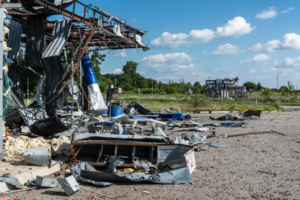
Previous incidents during the crisis have highlighted the dangers faced by maritime workers, including attacks, vessel damage, and long delays. Many sailors have been forced to remain away from home for extended periods because ships cannot safely move through the region.
For these workers, the conflict is not only about international politics — it is about personal safety, family responsibilities, and the pressure to keep global trade moving.
New Ship Incident Raises Maritime Security Concerns
Tensions increased after reports of another cargo vessel being struck near the Strait of Hormuz. The incident created fresh concerns among shipping companies already hesitant to send vessels through the region.
The attack came as diplomatic discussions continued over reopening safe maritime passage. The uncertainty has made shipping operators cautious because even a temporary agreement may not immediately restore confidence among crews and insurers.
Shipping Traffic Falls as Companies Avoid the Route
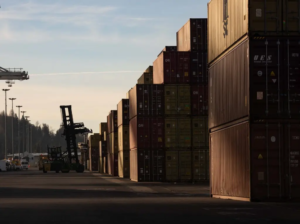
Commercial shipping activity through the Strait of Hormuz has dropped significantly as companies assess security risks. Some vessels have chosen to wait outside the region rather than risk entering an unstable maritime zone.
Shipping companies consider several factors before returning to normal operations, including:
- Safety guarantees for crews and vessels
- Insurance coverage and additional security costs
- Political stability between regional powers
- Confidence that agreements will be respected
Even if governments announce progress, shipping companies may require time before fully restoring regular routes.
Diplomatic Efforts to Reopen the Waterway
The United States has expressed hope that an agreement with Iran could help reopen the Strait of Hormuz, while Iran has disputed some claims about direct negotiations and has pointed toward talks involving Oman as a mediator.
A possible temporary shipping arrangement has also been discussed, with Iran and Oman reportedly exploring ways to create safer maritime movement through the area.
However, major disagreements remain over security arrangements, sanctions, and control of maritime access.
Impact on Global Oil Prices and Energy Markets
The Strait of Hormuz crisis has immediate economic consequences because energy markets react quickly to uncertainty in major supply routes.
When shipping risks increase, oil prices can rise because traders fear possible shortages. Higher transportation and insurance costs can also affect industries worldwide, from manufacturing to transportation.
Countries that rely heavily on imported energy are watching developments closely, as prolonged disruption could create additional economic pressure.
The Future of Maritime Trade in the Gulf
The future of shipping through the Strait of Hormuz depends on whether diplomatic efforts can produce a stable and trusted security framework.
A short-term reopening may reduce pressure on markets, but shipping companies and sailors will likely remain cautious until they see long-term improvements in safety conditions.
The crisis has also renewed discussions about reducing dependence on vulnerable shipping chokepoints and creating alternative energy and trade routes.
Conclusion
The Strait of Hormuz shipping crisis is more than a regional security issue — it is a global economic challenge affecting sailors, shipping companies, energy markets, and international trade.
As diplomatic efforts continue, thousands of maritime workers remain directly affected by the uncertainty. Restoring safe passage through this critical waterway will require more than political statements; it will require trust, security guarantees, and lasting cooperation between all parties involved.