Jordan has become one of the most strategically important locations in the expanding conflict between the United States and Iran, as Iranian attacks and U.S. military operations place new pressure on the kingdom’s security and diplomatic position. The country’s role as a host for American forces has made it a target in the wider regional confrontation.
The escalation has transformed Jordan from a relatively stable U.S. partner into a critical point of tension between Washington and Tehran. Iranian missile and drone attacks have targeted U.S. military facilities in Jordan, while American forces have increased their presence across the region.
Why Jordan Matters in the U.S.-Iran Conflict
Jordan occupies a crucial geographic position between several major conflict zones:
- Iraq to the east
- Syria to the north
- Israel and the West Bank to the west
- Saudi Arabia to the south
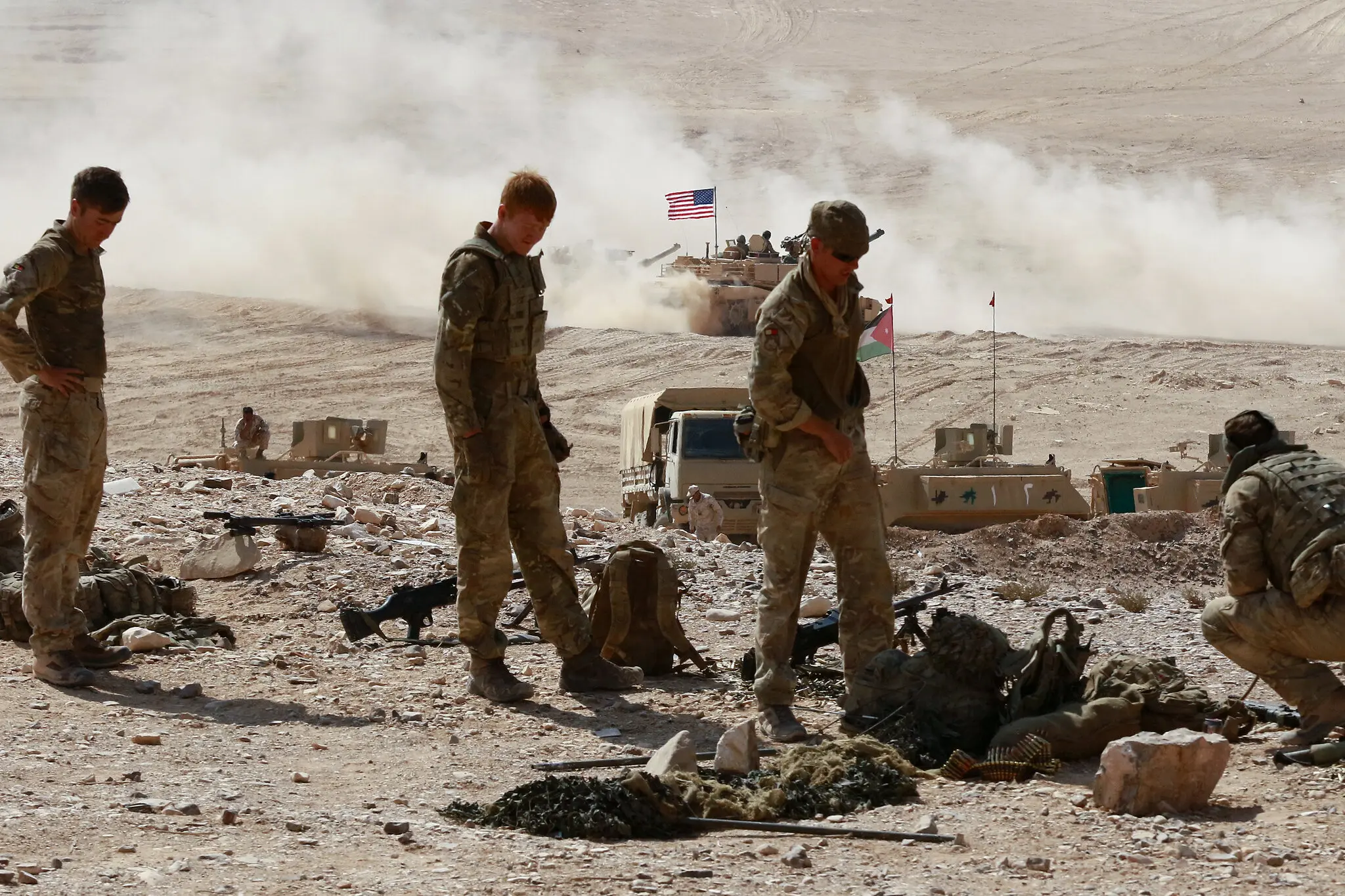
For decades, Jordan has maintained close security cooperation with the United States and has hosted American military personnel and equipment.
Its location makes it valuable for:
- Regional air defense
- Intelligence operations
- Military logistics
- Counterterrorism cooperation
The presence of U.S. forces has also made Jordan vulnerable to retaliation from Iran and Iran-aligned groups.
Iranian Attacks Target U.S. Positions in Jordan
Iran and affiliated groups have launched attacks against U.S. interests in the region as tensions between Tehran and Washington have intensified.
Reports indicate that Iranian strikes have targeted American military facilities in Jordan, with missile and drone attacks causing casualties and damage.
The attacks have raised concerns that Jordan could become a wider battlefield despite efforts by the Jordanian government to avoid direct involvement in regional conflicts.
U.S. Military Presence in Jordan
The United States maintains a significant military partnership with Jordan.
American forces in the country support:
- Air operations
- Missile defense systems
- Training missions
- Regional security efforts
As the conflict with Iran has expanded, Washington has moved additional military resources into the Middle East, including aircraft, special operations forces, and support units.
Jordan’s Difficult Balancing Act
Jordan faces a complicated diplomatic challenge.
The country must balance:
Relations with the United States
Washington provides Jordan with important security and economic support. The two countries have maintained a close partnership for decades.
Regional Public Opinion
Many Jordanians oppose deeper involvement in Middle East conflicts and are concerned about civilian casualties and regional instability.
Security Threats
Jordan must defend its territory while avoiding becoming directly involved in a broader war.
The government has emphasized protecting Jordanian sovereignty while preventing the conflict from spreading further.
Air Defense Becomes a Major Priority
Jordan has increased focus on protecting its airspace as missile and drone threats grow.
The conflict has highlighted the importance of:
- Patriot missile systems
- Radar networks
- Drone interception technology
- Coordination with allied forces
European aviation authorities have also warned airlines about increased risks in Jordanian airspace due to ongoing military activity.
Impact on Regional Stability
Jordan’s involvement could have major consequences for the wider Middle East.
A prolonged conflict could affect:
- Regional trade routes
- Energy markets
- Refugee movements
- Diplomatic relations
- U.S. military strategy
Jordan has historically played a role as a mediator and stabilizing force, but continued attacks could make neutrality increasingly difficult.
Iran’s Strategy and U.S. Response
Iran has argued that countries hosting U.S. military forces may become legitimate targets. Tehran’s actions appear aimed at increasing pressure on Washington and its regional partners.
The United States has responded with continued military operations against Iranian targets while expanding its regional military posture.
Economic and Security Consequences for Jordan
The conflict could create economic challenges for Jordan, including:
- Reduced tourism
- Higher security costs
- Disruptions to trade
- Increased pressure on government resources
Jordan’s economy is already sensitive to regional instability, making prolonged conflict a significant concern.
What Happens Next?
Key developments to watch include:
- Whether attacks on Jordan continue
- How far the U.S. expands military operations
- Whether Iran targets more regional partners
- Jordan’s diplomatic response
- Efforts to negotiate a ceasefire
The future role of Jordan may become one of the defining issues in the broader U.S.-Iran confrontation.
Conclusion
Jordan has emerged as a central pressure point in the escalating U.S.-Iran conflict. Its strategic location, close relationship with Washington, and role as a host for American forces have placed the kingdom in a difficult position.
While Jordan continues trying to protect its sovereignty and stability, the expanding conflict shows how quickly regional tensions can pull neighboring countries into a wider confrontation.