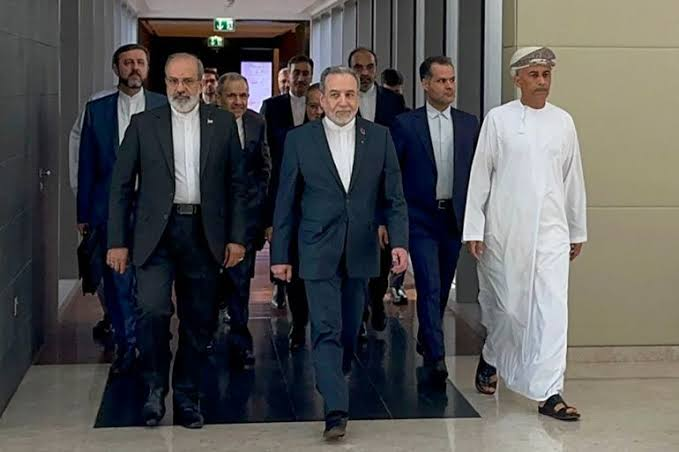
The United States and Iran held indirect talks in New York on September 22, 2026, on the sidelines of the United Nations General Assembly, marking an important diplomatic contact between the two countries after months of conflict. U.S. Special Envoy Steve Witkoff and Jared Kushner met with an Iranian delegation in discussions that lasted around three hours, with Qatari officials helping communicate between the two sides.
The talks focused heavily on conditions for ending hostilities and the future of the Strait of Hormuz, one of the world’s most important oil-shipping routes.
Three-Hour Meeting Takes Place at UN General Assembly
President Donald Trump confirmed that members of his administration had met with Iranian representatives in New York.
Trump described the meeting as “very good” and said another meeting was expected soon. Iranian state media also confirmed that Foreign Minister Abbas Araghchi met with Witkoff and communicated Tehran’s conditions.
The meeting was conducted indirectly, with mediators shuttling between the American and Iranian sides rather than the two delegations conducting a conventional direct negotiation.
Reuters reported that the discussions represented a potential return to diplomacy after previous ceasefire efforts had broken down.
Strait of Hormuz Becomes Central to Talks
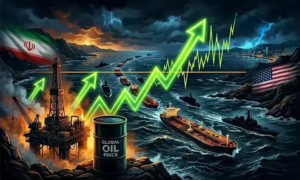
A major issue in the discussions is the Strait of Hormuz, through which a significant share of global oil shipments normally passes.
A senior Iranian official told Reuters on September 22 that Iran could reopen the strait within seven days if the United States eased military pressure and lifted its blockade of Iranian ports. Tehran said it wanted Washington to formally commit to a diplomatic process before discussing the details of an agreement.
Iran’s position has made the strait one of the central issues in negotiations.
According to Iranian state media, Tehran’s conditions also included the release of frozen Iranian assets and an end to military operations across the region.
Qatar Plays a Key Mediating Role
Qatar has emerged as one of the key intermediaries between Washington and Tehran.
Qatari diplomats helped facilitate communication between Witkoff and Araghchi during the New York discussions. The involvement of Qatar reflects the broader role Gulf countries have played in attempts to prevent the conflict from expanding and to create channels for negotiations.
Other regional governments have also been involved in diplomatic efforts surrounding the conflict.
Trump Says There Is Momentum
After the meeting, Trump said there was significant momentum toward a possible agreement with Iran.
According to reporting from Iran International, Trump said Witkoff and Kushner had held a “very good” three-hour meeting with the Iranian delegation and expressed confidence that another meeting would follow.
However, the discussions had not produced a final agreement as of September 22.
Both Washington and Tehran continued to maintain significant differences over military operations, sanctions, the blockade and the Strait of Hormuz.
Iran Offers a Possible Path to Reopen the Strait
The Iranian position reported on September 22 represented a potential diplomatic opening.
A senior Iranian official said Tehran was prepared to revive diplomacy and reopen the Strait of Hormuz if Washington took tangible steps to reduce military and economic pressure. Iran also said its delegation in New York had authority to pursue diplomatic discussions.
The proposal could potentially link maritime security with broader negotiations over the conflict.
For international energy markets, reopening the strait would be significant because prolonged restrictions have disrupted oil transportation and contributed to concerns about global energy supplies.
Trump and Iran Still Face Major Differences
Despite the talks, the two governments remain far apart on several issues.
The United States has demanded changes in Iran’s military and nuclear policies, while Tehran has called for an end to military operations, sanctions and the blockade.
The talks also took place shortly after Trump addressed the United Nations General Assembly and issued strong warnings to Iran. The Iranian delegation reportedly left the hall during portions of Trump’s speech.
This combination of diplomatic contacts and continued public confrontation demonstrates how uncertain the negotiations remain.
No Direct Trump-Pezeshkian Meeting
Iranian President Masoud Pezeshkian was in New York for the UN General Assembly, but a direct meeting between Pezeshkian and Trump was not planned at that stage.
A senior Iranian official told Reuters that Pezeshkian would not meet Trump at the UN and that negotiations could instead proceed through mediators.
This approach allowed both sides to explore diplomatic options without immediately committing their presidents to a face-to-face meeting.
Why the Talks Matter
The New York discussions are important because the conflict has consequences far beyond Washington and Tehran.
The Strait of Hormuz is a critical energy route, and disruption there can affect:
Global oil prices
International shipping
Energy security
Insurance costs
Inflation
Regional trade
Global financial markets
A sustained diplomatic agreement could therefore have consequences for economies around the world.
What Happens Next?
The immediate focus will be on whether the United States and Iran can continue the discussions after the initial New York meeting.
Key issues include:
Reopening the Strait of Hormuz
Ending or reducing military operations
U.S. sanctions on Iran
Iran’s frozen overseas assets
Iran’s nuclear program
Security arrangements for shipping
Future ceasefire negotiations
The role of Qatar and other mediators
The two sides have not announced a final agreement, and significant disagreements remain.
Conclusion
The U.S.-Iran talks in New York on September 22, 2026, marked a renewed diplomatic effort to address the conflict and the crisis surrounding the Strait of Hormuz. Steve Witkoff and Jared Kushner met with an Iranian delegation for approximately three hours, with Qatar helping mediate the discussions.
Iran indicated that it could reopen the Strait of Hormuz within seven days if the United States eased military pressure and lifted its blockade, while Washington continued to seek broader commitments from Tehran.
The talks did not immediately produce a final settlement, but they created a new diplomatic channel at a time when the conflict was putting pressure on regional security, oil supplies and international shipping.