
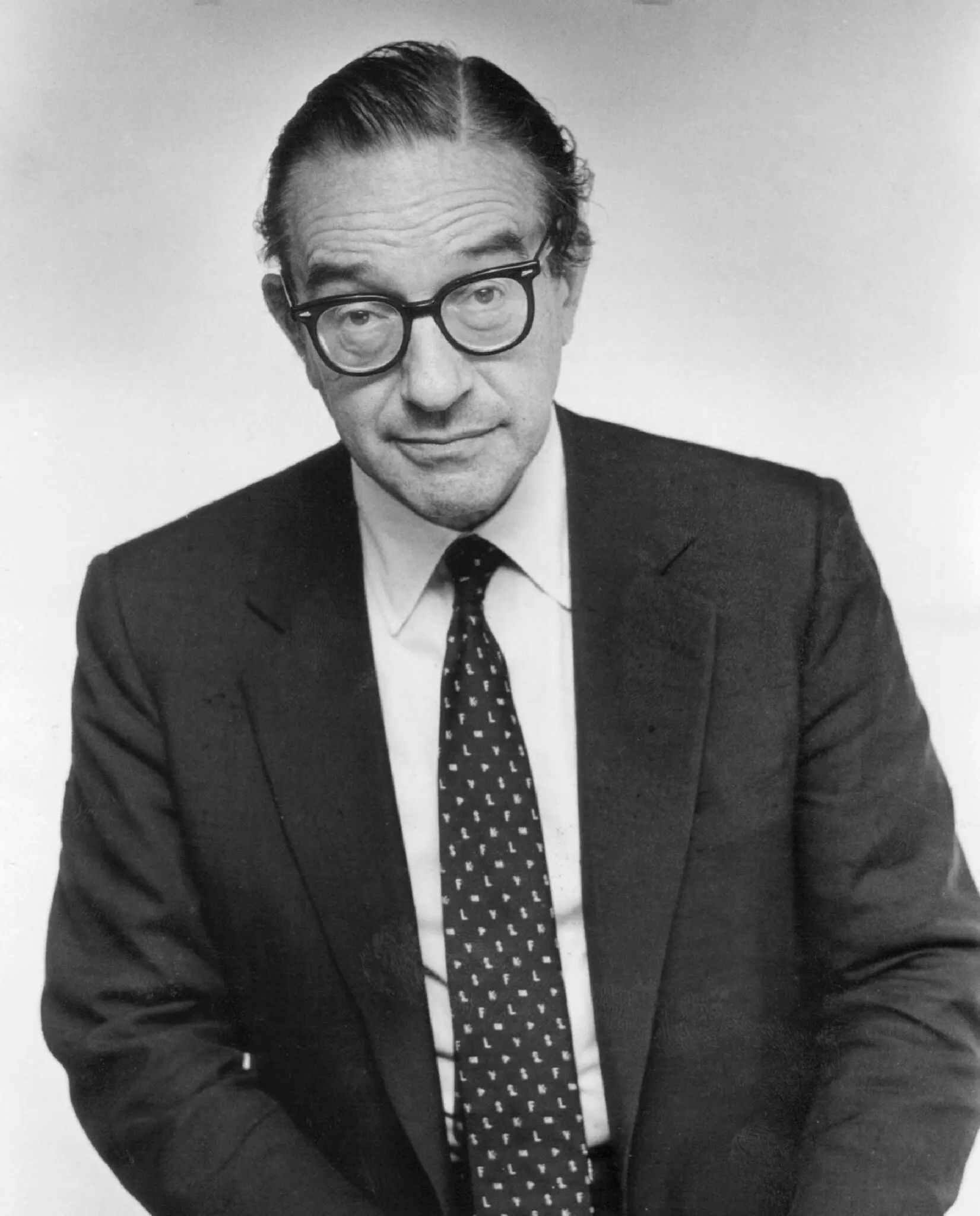
Alan Greenspan, the long-serving former Chair of the US Federal Reserve and one of the most influential figures in modern economic policy, has died at the age of 100, according to his family. He passed away due to complications related to Parkinson’s disease.
His death marks the end of an era in global finance, as Greenspan shaped US monetary policy for nearly two decades and influenced economic thinking far beyond Washington.
A Defining Figure in Global Monetary Policy
Greenspan served as Federal Reserve Chair from 1987 to 2006, a period that spanned four US presidencies: Ronald Reagan, George H.W. Bush, Bill Clinton, and George W. Bush.
During his tenure, he became widely known for steering the US economy through multiple major events, including:
- The 1987 stock market crash
- The 1990–91 recession
- The dot-com boom and collapse
- The economic aftermath of the 9/11 attacks
He also presided over one of the longest periods of sustained US economic growth in modern history.
“The Maestro” of the US Economy
At the height of his influence, Greenspan earned the nickname “the Maestro” for his perceived ability to guide markets with subtle signals and carefully measured monetary policy decisions.
His communication style, often deliberately ambiguous, became a hallmark of the Federal Reserve’s approach during the 1990s and early 2000s.
Praise, Power, and Later Criticism
Greenspan’s legacy is widely regarded as complex.
On one hand, he is credited with:
- Supporting long-term US economic expansion
- Maintaining relatively low inflation during key periods
- Strengthening the Federal Reserve’s global credibility
On the other hand, critics argue that:
- His support for financial deregulation contributed to systemic risk
- Ultra-low interest rates helped inflate the housing bubble
- Policy decisions may have played a role in the conditions leading to the 2008 financial crisis
He later acknowledged that parts of his economic assumptions about market self-regulation were flawed.
Career Beyond the Federal Reserve
Before and after his Fed leadership, Greenspan worked as:
- An economic consultant in private industry
- Chair of the Council of Economic Advisers under President Gerald Ford
- Author and public commentator on global economic policy
He also remained active in policy discussions long after retiring from the Federal Reserve in 2006.
A Life Spanning Nearly a Century of Economic Change
Born in 1926 in New York City, Greenspan studied economics at New York University and initially pursued music before fully transitioning into economic research and policy work.
His life and career spanned some of the most transformative periods in US economic history, from post-war expansion to the rise of globalised financial markets.
Conclusion
Alan Greenspan’s death closes a defining chapter in modern economic history. Revered by some as a stabilising force behind decades of growth and criticised by others for policies linked to later financial instability, his influence on global economics remains deeply embedded in how central banks operate today.