President Donald Trump has moved to remove Federal Reserve Governor Lisa Cook, citing allegations of mortgage fraud, in a dramatic escalation of his long-running conflict with the US central bank over interest rates and institutional control. The move has triggered a major legal and constitutional showdown, with the Supreme Court temporarily blocking her removal while allowing broader presidential authority over other federal agencies.
The case is now widely seen as a defining test of how far presidential power extends over the traditionally independent Federal Reserve.
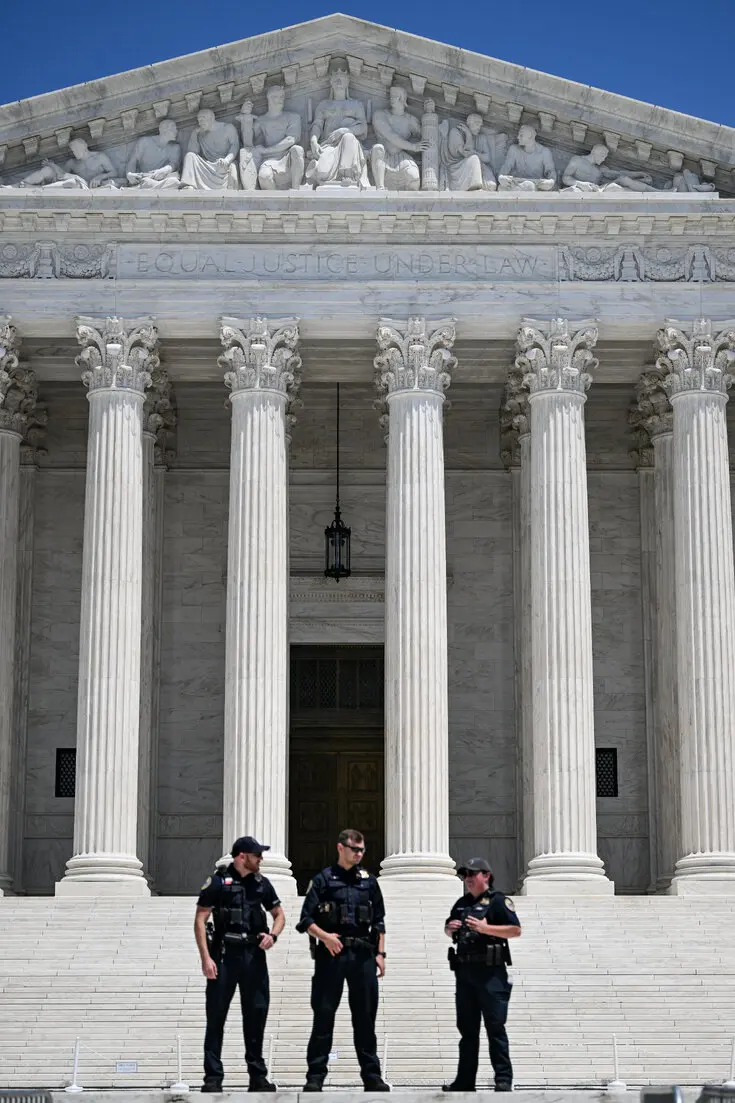
Supreme Court Temporarily Blocks Removal
In a closely divided decision, the US Supreme Court ruled that Lisa Cook can remain in her position while her legal challenge proceeds, emphasising due process protections and the Federal Reserve’s special status.
At the same time, the Court issued a broader ruling expanding presidential authority over many independent federal agencies, marking a significant shift in the balance of executive power.
Key points from the ruling include:
- Cook remains in office during ongoing litigation
- The president may remove leaders of several other federal agencies more easily
- The Federal Reserve is treated as a special exception due to its monetary policy role
- The case will continue in lower courts for a final determination
Trump’s Justification and Allegations
The administration has argued that Cook should be removed due to alleged financial misconduct, specifically claims related to mortgage documentation.
Trump’s position includes:
- Accusations of mortgage fraud before Cook’s appointment
- Assertion of constitutional authority to remove officials “for cause”
- Framing the issue as part of broader efforts to reform federal institutions
Cook has strongly denied the allegations and challenged the legality of the attempt to remove her, arguing it is politically motivated.
A Broader Fight Over the Federal Reserve
The dispute is not just about one official but about control of US monetary policy.
At stake are key questions:
- Can a president influence interest rate policy indirectly through appointments?
- How independent is the Federal Reserve from the White House?
- What qualifies as valid “cause” for removal of a Fed governor?
Legal experts note that removing Cook could shift the balance of the Fed board, potentially influencing future interest rate decisions.
Markets and Economists React
The uncertainty surrounding Fed independence has drawn attention from financial analysts and economists.
Concerns include:
- Risk of political influence over interest rate decisions
- Potential instability in financial markets
- Impact on inflation expectations and investor confidence
- Long-term implications for central bank credibility
Many economists have historically argued that Federal Reserve independence is essential for stable monetary policy.
What Happens Next
The case is expected to continue through lower courts, with the possibility of returning to the Supreme Court for a final ruling. Until then, Cook remains in office.
Key next steps include:
- Ongoing legal proceedings on the legality of removal
- Further clarification of “for cause” standards
- Possible congressional scrutiny of executive authority
- Continued market monitoring of Fed stability
Conclusion
The attempt to remove Federal Reserve Governor Lisa Cook has become a major constitutional and economic flashpoint, highlighting tensions between presidential authority and central bank independence. While the Supreme Court has temporarily allowed Cook to remain in office, its broader ruling on agency firings signals a significant shift in executive power, leaving the future of Federal Reserve autonomy uncertain.