
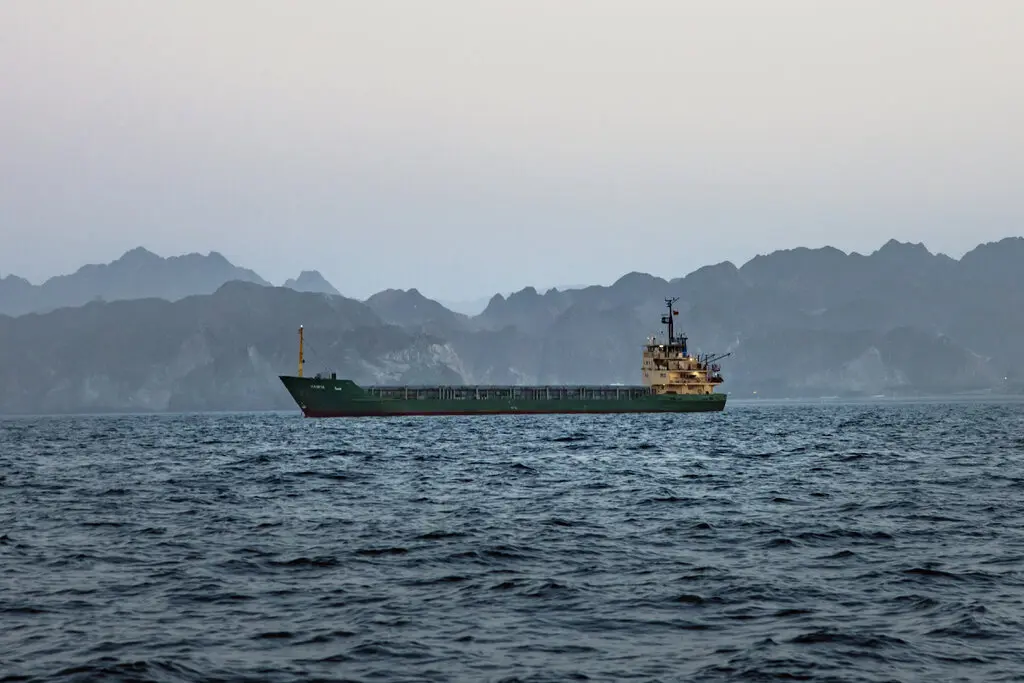
Iran and Oman are reportedly discussing a new framework that would introduce service-based fees for vessels passing through the Strait of Hormuz, one of the world’s most critical oil shipping routes. The proposal, still in early-stage negotiations, reflects growing geopolitical tensions over control, security, and revenue from the strategically vital waterway.
The Strait of Hormuz handles a significant share of global oil and liquefied natural gas shipments, making any change to its operating rules a matter of international concern.
A Proposal to Monetise a Strategic Chokepoint
Under the emerging plan, ships transiting the Strait would contribute payments framed as navigation or service fees rather than traditional tolls, which are restricted under international maritime law.
Key elements of the proposal include:
- A structured payment system for commercial shipping traffic
- Revenue sharing arrangements involving Oman
- Administrative oversight potentially coordinated through regional mechanisms
- Framing fees as maritime services rather than formal tariffs
The aim appears to be creating a legal and diplomatic workaround that allows financial benefit from one of the busiest energy corridors in the world.
Iran’s Strategic Position in the Strait of Hormuz
Iran has long viewed the Strait of Hormuz as a strategic leverage point in its regional and international negotiations. The waterway connects the Persian Gulf to the Arabian Sea and is essential for global energy exports.
Iran’s interests in the discussions include:
- Strengthening its influence over maritime traffic routes
- Securing economic benefit from passing commercial shipping
- Increasing leverage in wider geopolitical negotiations
- Responding to sanctions and external pressure through controlled access mechanisms
Analysts suggest that any fee-based system could formalise influence Iran already exerts through security presence and strategic positioning in the region.
Oman’s Role as a Diplomatic Mediator
Oman has historically played a neutral and mediating role in regional disputes involving Iran and Western powers. In these discussions, it is positioned as a potential facilitator rather than a direct beneficiary.
Oman’s involvement is linked to:
- Its geographic proximity to the Strait
- Its reputation as a neutral diplomatic intermediary
- Interest in stabilising maritime traffic in the Gulf
- Potential administrative role in managing fee collection or distribution
However, the proposal places Oman in a delicate balancing act between competing regional and international interests.
Legal and International Concerns
The idea of charging ships for passage through the Strait raises significant legal questions under international maritime law, which generally guarantees freedom of navigation through strategic waterways.
Key concerns include:
- Whether such fees would violate freedom of navigation principles
- Risk of setting precedents for other strategic chokepoints
- Potential objections from maritime powers and shipping nations
- Insurance and compliance complications for global shipping firms
Even if framed as service charges, the system could be interpreted as a form of tolling, leading to diplomatic pushback.
Impact on Global Energy and Shipping Markets
Any formalised fee structure in the Strait of Hormuz would have wide-ranging implications for global energy markets.
Potential effects include:
- Increased shipping costs for oil and LNG cargoes
- Higher insurance premiums for vessels passing through the region
- Possible shifts in global energy pricing
- Greater volatility in freight markets
- Incentives for alternative shipping routes where feasible
Given that a substantial portion of global oil trade passes through the Strait, even small cost changes could have macroeconomic effects.
Geopolitical Context and Ongoing Tensions
The discussions come amid broader regional tensions involving Iran, the United States, and Gulf states over security, sanctions, and maritime control.
The Strait of Hormuz remains a focal point because:
- It is one of the world’s most important energy chokepoints
- It has previously been affected by conflict and disruption
- Competing regional powers seek influence over its operations
- Any escalation could immediately affect global energy supply chains
The proposal therefore sits at the intersection of diplomacy, economic strategy, and security policy.
Conclusion
The reported discussions between Iran and Oman over a ship fee system in the Strait of Hormuz highlight the growing complexity of managing one of the world’s most important maritime corridors. While framed as a potential service-based arrangement, the proposal raises significant legal, economic, and geopolitical questions. Its outcome could reshape how global energy flows are governed in one of the most strategically sensitive regions in the world.