The latest live coverage from June 14, 2026 shows the Iran conflict entering a critical phase, with President Donald Trump intensifying diplomatic pressure for a ceasefire while military tensions continue across Iran, Israel, Lebanon, and key maritime routes such as the Strait of Hormuz.
Despite ongoing strikes and proxy activity, there are emerging signs of attempted de-escalation, even as analysts warn the situation remains highly unstable and capable of rapid escalation.
Trump Leads Renewed Push for Ceasefire
President Trump has stepped up diplomatic efforts aimed at halting the widening conflict, urging both Iran and Israel to pause military operations and return to negotiations.
Key developments include:
- Direct calls for a halt to further strikes between Israel and Iran
- Renewed pressure on regional actors to avoid escalation in Lebanon
- U.S. coordination with allies to stabilise maritime security routes
- Continued emphasis on negotiations over prolonged military confrontation
However, despite these efforts, no comprehensive ceasefire agreement has yet been reached, and tensions remain high across multiple fronts.
Fighting Continues Across Multiple Fronts
While diplomacy intensifies, military activity has not fully stopped.
Key flashpoints include:
- Ongoing Israeli strikes on Iranian-linked infrastructure
- Iranian missile and drone responses targeting Israeli positions
- Continued activity by Hezbollah in southern Lebanon
- Security incidents and alerts across northern Israel
The conflict has increasingly evolved into a multi-front confrontation involving both direct state actions and regional proxy forces.
Lebanon Remains a Key Escalation Risk
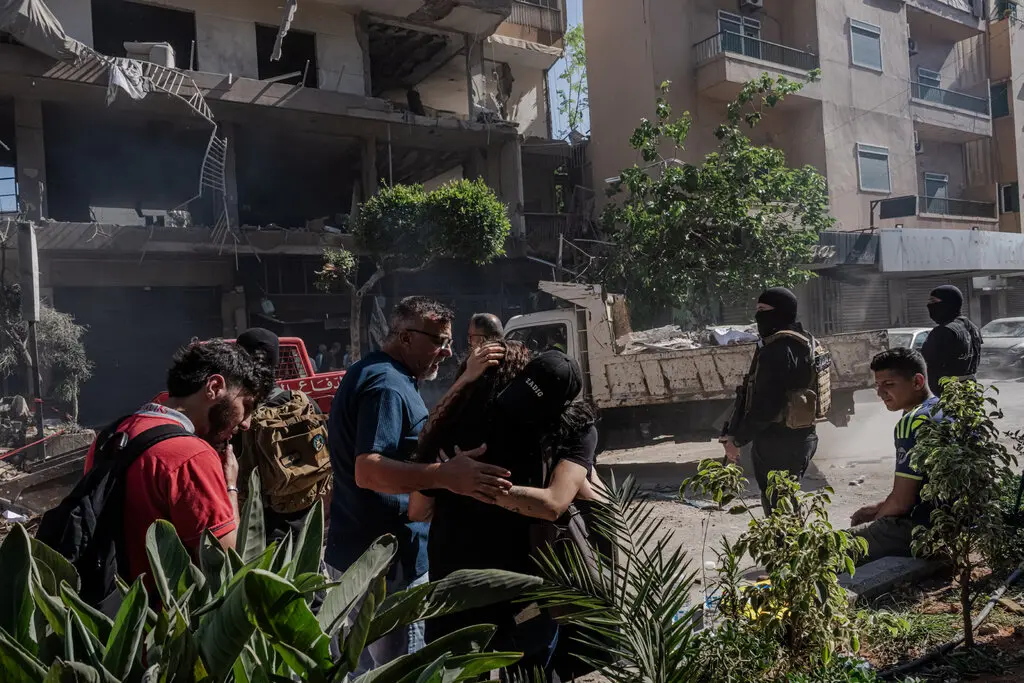
Lebanon continues to be one of the most unstable theatres in the wider conflict.
Recent developments show:
- Israeli operations targeting Hezbollah infrastructure
- Rocket fire from southern Lebanon into Israel
- Civilian displacement in border areas
- Diplomatic warnings about regional spillover
Analysts warn that escalation in Lebanon could rapidly undermine any broader ceasefire efforts between Iran and Israel.
Strait of Hormuz and Energy Security Concerns
The Strait of Hormuz remains a critical global pressure point, with even partial disruption continuing to affect energy markets.
Impacts include:
- Higher shipping insurance and transport costs
- Periodic disruption of tanker traffic
- Continued volatility in global oil prices
- Strategic concern over potential blockade scenarios
Energy markets remain highly sensitive to any military escalation in the Gulf region.
Global Markets React to Uncertainty
Financial markets are responding to a combination of ceasefire hopes and ongoing instability.
Observed trends:
- Temporary relief rallies during diplomatic breakthroughs
- Renewed volatility following fresh reports of strikes
- Rising risk premiums in energy-linked sectors
- Continued uncertainty in global supply chains
Investors remain cautious, as the situation has not yet stabilised into a predictable diplomatic framework.
Regional Diplomacy Under Pressure
International actors, including the United States and European partners, are working to contain escalation while encouraging negotiations.
Challenges include:
- Lack of trust between Iran and Israel
- Fragmented communication channels across conflict zones
- Influence of non-state actors in Lebanon and beyond
- Rapid shifts in battlefield conditions
These factors make sustained diplomatic progress difficult despite ongoing engagement.
Conclusion
The June 14 live updates reflect a conflict that is simultaneously escalating and being actively managed through diplomacy. While President Trump’s renewed push for a ceasefire has created short-term pauses in some areas, the underlying tensions across Iran, Israel, Lebanon, and the wider region remain unresolved.
Until a formal and enforceable agreement is reached, the risk of renewed escalation remains high, particularly in Lebanon and the Strait of Hormuz, where local incidents could quickly trigger wider confrontation.