
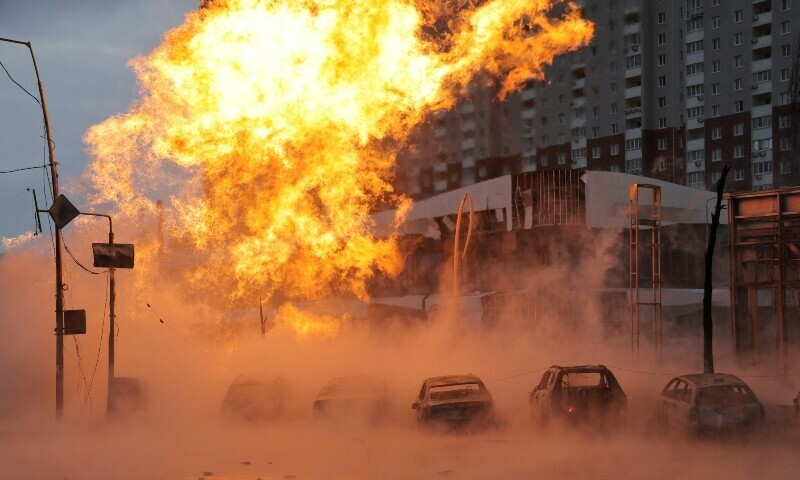
Russia launched a massive wave of air attacks across Ukraine on September 12, 2026, killing civilians, injuring dozens of people and damaging residential buildings and critical infrastructure. Ukrainian officials said the assault involved nearly 500 attack drones, making it one of the largest recent aerial attacks of the war.
The attacks came as the war continues to intensify away from the traditional front lines. Russia has increasingly targeted infrastructure, industrial facilities and economic assets, while Ukraine has responded with strikes against Russian energy and industrial sites.
Russia Launches Nearly 500 Drones
Ukrainian President Volodymyr Zelensky said Russia had launched nearly 500 drones against Ukrainian targets since early Saturday. Ukraine’s air force separately reported that Russia used 496 drones and 53 missiles during the assault. Ukrainian defenses intercepted or suppressed hundreds of the incoming drones and dozens of missiles.
The scale of the attack demonstrates how drone warfare has become a central part of the Russia-Ukraine conflict.
Long-range drones allow Russia to strike targets far from the front line while forcing Ukraine to spread its air-defense systems across a large area.
Civilians Killed and Injured
The attacks affected several Ukrainian regions, including Zaporizhzhia, Odesa, Zhytomyr, Kryvyi Rih and Kramatorsk.
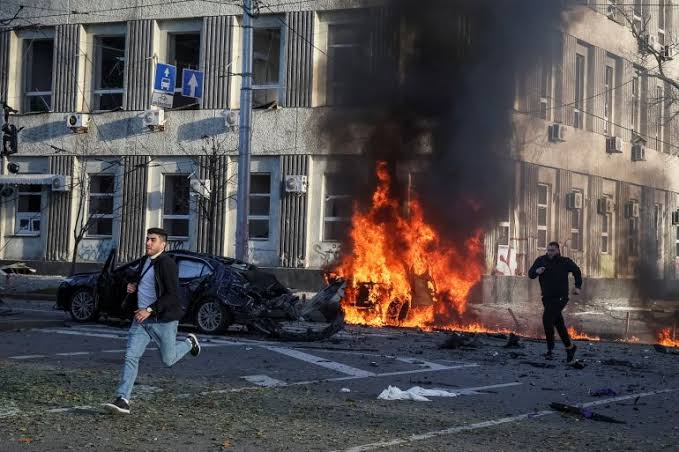
Local authorities reported deaths and injuries in multiple locations. In Odesa, dozens of people were injured, including an infant. In Zhytomyr region, a strike on a grocery store killed two people. Kramatorsk officials also reported several deaths in attacks on private vehicles.
Residential buildings and other civilian infrastructure were also damaged.
The rising civilian toll has increased concerns about the humanitarian consequences of Russia’s expanding air campaign.
Critical Infrastructure Comes Under Pressure
Russia’s attacks have increasingly focused on infrastructure and industrial facilities.
Russian officials said their forces struck Ukrainian industrial targets, including steel and mining facilities. Moscow also claimed attacks on Ukrainian ports and cargo vessels in the Black Sea. Reuters said it could not independently verify the claims from either side.
Ukraine has accused Russia of trying to weaken the country’s economy and its ability to withstand the war.
Zelensky argued that Russia is increasingly attacking economic infrastructure because it has not achieved its desired results on the battlefield.
Ukraine Strikes Back Inside Russia
Ukraine also carried out attacks against targets inside Russia.
Ukrainian forces said they struck a major synthetic rubber plant in Togliatti, Samara region, causing a fire. Kyiv said the facility produces materials used in fuel and other military applications. Russian authorities confirmed drone attacks in the Samara region but did not provide full details about the facilities affected.
Residential buildings were also reportedly damaged in Togliatti, with at least one person injured.
These reciprocal attacks demonstrate how the conflict has increasingly become a long-range war involving drones, missiles, energy facilities and industrial targets on both sides.
A New Phase of Drone Warfare
The latest assault highlights the growing importance of drones in modern warfare.
Russia has recently used large numbers of drones in coordinated attacks designed to overwhelm Ukrainian air defenses. Some newer drones are faster than earlier models, making them more difficult to intercept.
Ukraine has also developed its own long-range drone capabilities and has used them to strike Russian oil, industrial and military facilities.
This growing dependence on drones is changing the character of the conflict.
Impact on Ordinary Ukrainians
For civilians, repeated drone and missile attacks have disrupted everyday life.
The consequences include:
- Damage to homes
- Power and infrastructure disruptions
- Injuries and deaths
- Disrupted transportation
- Damage to businesses
- Continued fear of nighttime attacks
Cities far from the immediate front line are also facing increased risks.
The attacks demonstrate that geographic distance from the battlefield does not necessarily guarantee safety.
The Conflict Continues to Escalate
More than four years after Russia launched its full-scale invasion of Ukraine, the conflict remains unresolved.
Ground fighting has continued alongside increasingly sophisticated long-range attacks. Both countries are attempting to weaken the other’s military and economic capacity.
The latest Russian assault also comes amid continuing international efforts to find a path toward peace. However, the intensity of the attacks demonstrates how difficult it remains to achieve a lasting ceasefire.
What Happens Next?
The immediate challenge for Ukraine is strengthening its air defenses and protecting critical infrastructure from further attacks.
For Russia, continued drone and missile operations could remain a central strategy for putting pressure on Ukraine’s economy and population.
Several questions remain:
- Will Russia increase the scale of future drone attacks?
- Can Ukraine strengthen its air-defense capabilities?
- Will Ukraine expand attacks against Russian energy infrastructure?
- Can diplomatic efforts produce a meaningful ceasefire?
The answers could determine the next phase of the war.
Conclusion
Russia’s massive attacks across Ukraine on September 12 highlight the increasingly destructive role of long-range drones and missiles in the conflict. With nearly 500 drones reported in the assault and civilians killed or injured across several regions, the attacks demonstrate that the war continues to affect communities far beyond the front lines.
As Russia continues striking Ukrainian infrastructure and Ukraine retaliates against Russian industrial and energy targets, the conflict is becoming increasingly focused on economic and strategic pressure.
The latest escalation underscores the urgent need for stronger civilian protection and renewed diplomatic efforts to prevent further loss of life.