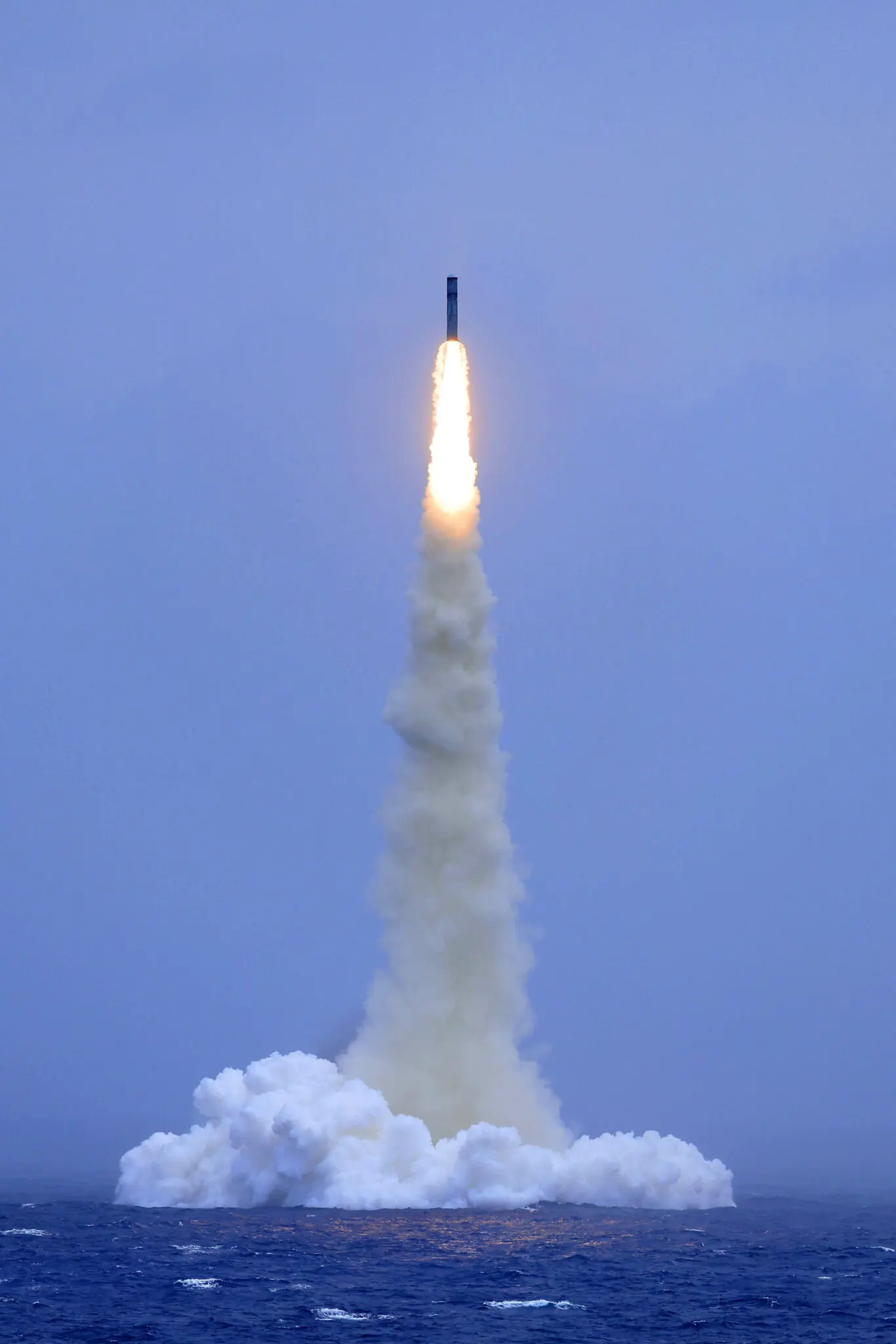
China has conducted a rare test launch of a strategic missile from a nuclear-powered submarine into the Pacific Ocean, highlighting the country’s expanding naval and nuclear capabilities while increasing concerns among regional powers about military competition in the Asia-Pacific region.
The launch, carried out by the Chinese People’s Liberation Army Navy (PLA Navy), involved a submarine-launched strategic missile carrying a dummy warhead. Beijing described the test as part of routine annual military training and said it was not directed at any specific country.
China Demonstrates Growing Submarine Missile Capability
The missile test represents a major demonstration of China’s growing ability to deploy long-range weapons from underwater platforms.
The exercise involved:
- A nuclear-powered submarine launching a strategic missile
- A long-range flight into Pacific waters
- A simulated training warhead rather than a live nuclear payload
- Testing of submarine-based strategic deterrence capabilities
Submarine-launched ballistic missiles are considered a key component of nuclear deterrence because they allow countries to maintain a second-strike capability even if land-based forces are attacked.
Beijing Calls the Test Routine Military Training
Chinese officials defended the launch, saying it followed international practices and was part of planned naval training activities.
China stated that:
- The missile test was conducted safely
- Relevant countries were notified in advance
- The launch was not aimed at any particular nation
- The exercise complied with international law
Beijing has argued that such tests are necessary for improving military readiness and maintaining national security.
Regional Powers Raise Concerns
Despite China’s explanation, several countries expressed concern over the timing and transparency of the exercise.
The reaction included:
- Increased concern from the United States and regional allies
- Questions from Japan about advance notification
- Worries from Australia and Pacific nations about military escalation
- Renewed debate over China’s expanding nuclear capabilities
Officials in the region argue that missile tests involving nuclear-capable systems can increase uncertainty and contribute to strategic tensions.
Why the Pacific Missile Test Matters
The Pacific Ocean has become a major area of strategic competition between China and the United States.
The test is significant because:
- It demonstrates China’s ability to project military power beyond coastal waters
- It strengthens China’s submarine-based nuclear deterrence
- It sends a strategic message to regional competitors
- It highlights growing military competition in the Indo-Pacific
Experts view submarine missile capability as an important factor in maintaining a credible nuclear deterrent.
Impact on US–China Strategic Competition
The missile launch comes amid increasing competition between Beijing and Washington over security issues in the region.
Major areas of tension include:
- Taiwan security concerns
- Military deployments in the Pacific
- Naval competition
- Nuclear modernization programs
- Defence partnerships among US allies
The United States has expressed concern about the pace and transparency of China’s military expansion.
China’s Expanding Military Modernization
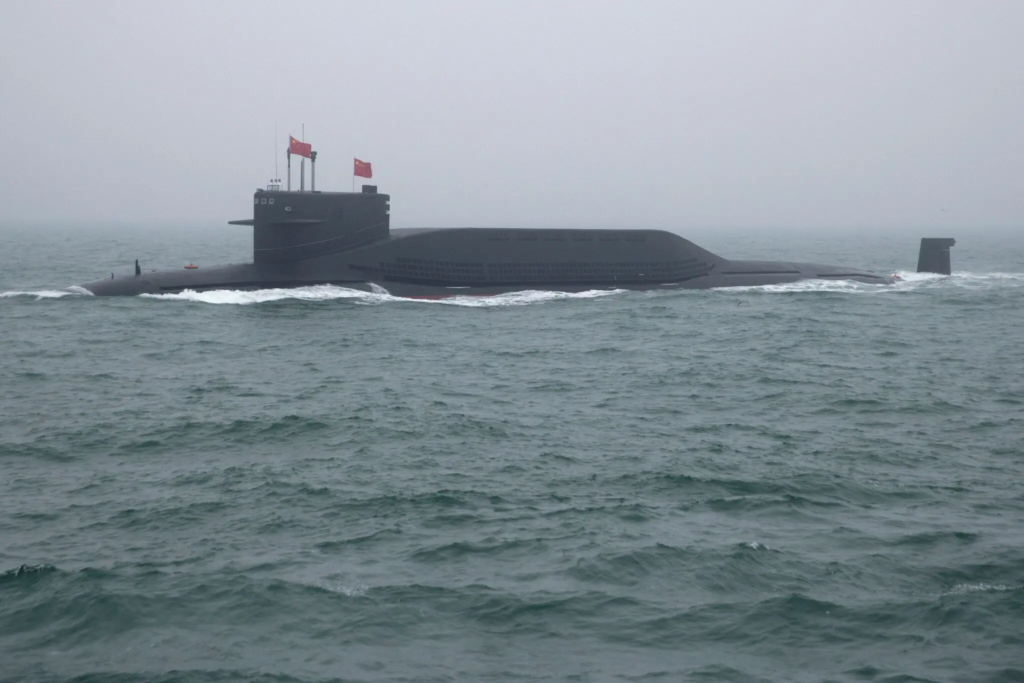
The submarine missile test is part of a wider Chinese military modernization effort.
China has been investing in:
- Advanced naval platforms
- Nuclear-powered submarines
- Long-range missile systems
- Space and surveillance technology
- Strategic defence capabilities
Analysts say Beijing is seeking to strengthen its ability to operate beyond its immediate region and build a more advanced military force.
What This Means for the Asia-Pacific Region
The missile test could influence future security planning among countries in the Indo-Pacific.
Possible consequences include:
- Increased defence cooperation among regional allies
- Greater investment in missile defence systems
- More military exercises by competing powers
- Continued diplomatic discussions over transparency and stability
Countries in the region are likely to closely monitor China’s future military activities.
Conclusion
China’s submarine-launched missile test in the Pacific represents a significant demonstration of its growing strategic military capabilities. While Beijing describes the launch as routine training, the exercise has raised concerns among regional powers about transparency, nuclear modernization, and the future balance of power in the Indo-Pacific. As military competition continues to intensify, such demonstrations are likely to remain a major focus of global security discussions.