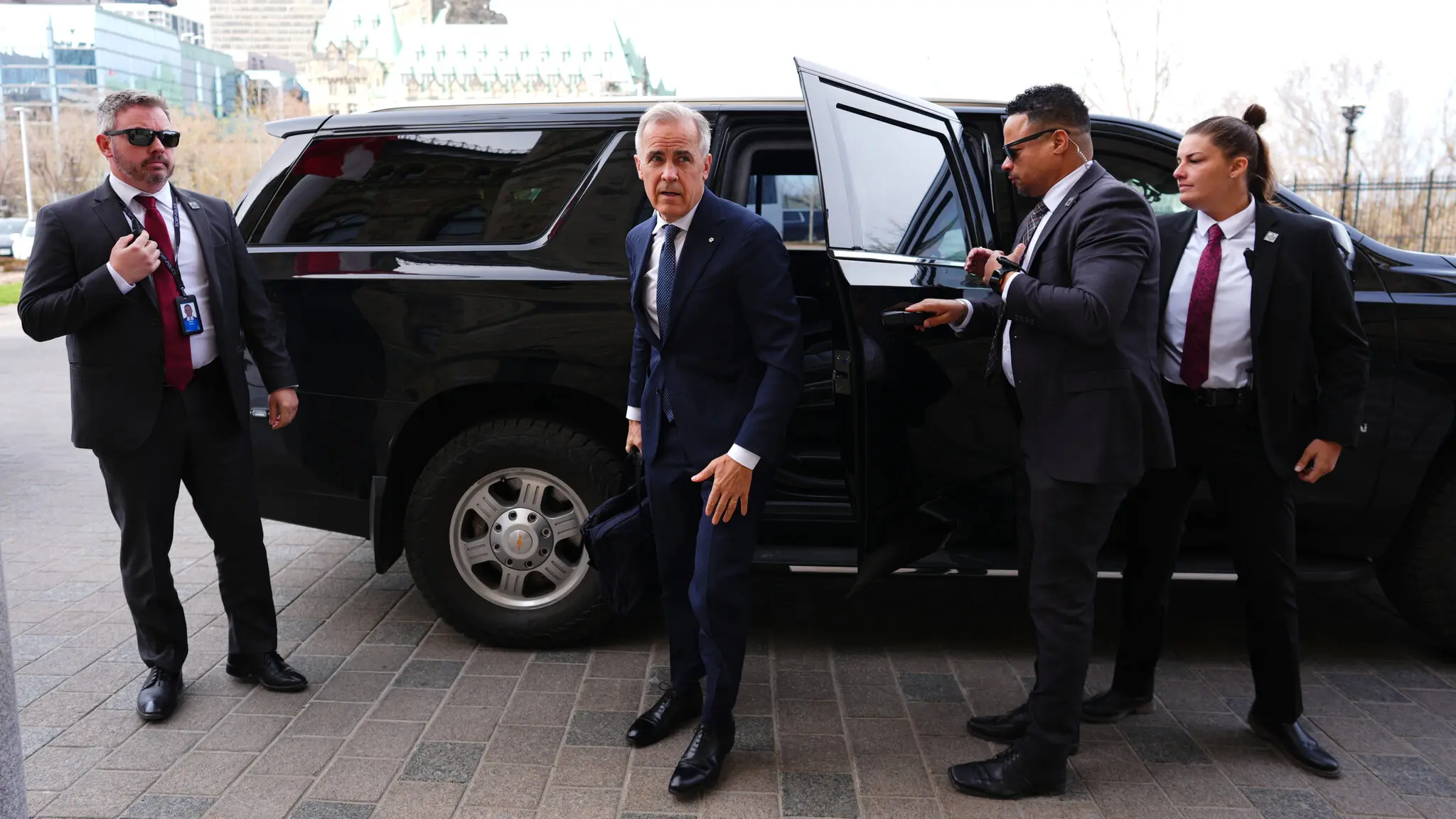
Canada’s government has released an updated fiscal outlook that shows a slightly improved financial position, but also highlights ongoing economic challenges as Prime Minister Mark Carney reshapes the country’s spending priorities.
The latest budget update projects a smaller federal deficit for the 2025–26 fiscal year than previously expected, driven mainly by stronger-than-anticipated revenues, particularly from energy exports and improved tax collection. Officials say this reflects a more resilient economy than earlier forecasts suggested.
However, the improvement comes with a trade-off: increased government spending across multiple sectors. The Carney administration has committed significant new funding to infrastructure, housing, defense, and workforce development programs. These initiatives are aimed at strengthening long-term economic capacity but will keep overall spending elevated.
One of the central goals of the update is to support productivity and reduce pressure on households facing high living costs. The government has already introduced measures such as tax adjustments and targeted relief programs for lower-income Canadians, as inflation and affordability remain key public concerns.
At the same time, the government is moving forward with large-scale investment strategies, including new industrial and infrastructure projects designed to boost domestic growth and reduce reliance on external markets. Officials argue that these investments are necessary to secure Canada’s long-term economic stability.
Despite the improved deficit outlook, analysts caution that structural challenges remain. Slower economic growth projections, combined with higher spending commitments, mean that debt levels are still expected to rise modestly over the coming years.
Another key focus of the update is workforce development. The government has outlined plans to expand training programs in skilled trades, aiming to address labor shortages and prepare workers for long-term infrastructure and energy projects.
The update also reflects a broader political strategy by Carney’s government: balancing fiscal responsibility with active economic intervention. While the deficit is lower than expected, critics argue that the pace of new spending could limit future flexibility.
Supporters, however, say the approach is necessary to modernize Canada’s economy and respond to global uncertainty, particularly trade tensions and shifting international markets.
As Canada moves forward, the budget update highlights a central challenge: maintaining fiscal stability while investing heavily in growth and competitiveness.