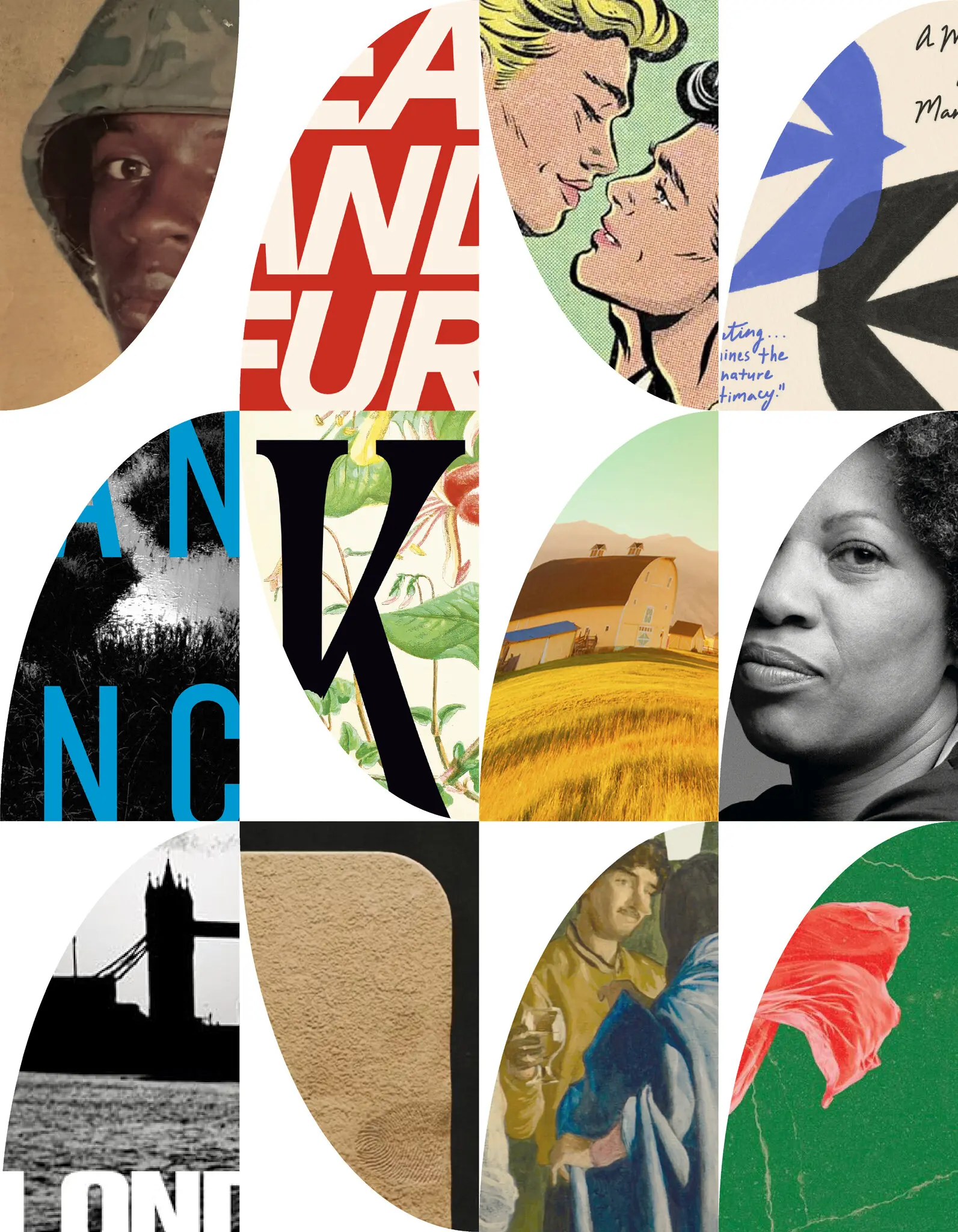
The first half of 2026 has already proven to be an exciting year for readers, with a wave of powerful new fiction and nonfiction capturing attention across genres. From debut voices to established literary heavyweights, this year’s standout books reflect a diverse mix of storytelling styles, global perspectives, and deeply personal themes.
One of the most notable trends in 2026 so far is the rise of debut authors making a major impact. Many of the most talked-about novels center on intimate human experiences—family relationships, identity, and emotional transformation—often told through inventive narrative structures. Stories like Lost Lambs by Madeline Cash and This Is Not About Us by Allegra Goodman explore family dynamics with humor, tension, and emotional depth, showing how ordinary moments can carry extraordinary meaning.
Historical fiction also continues to thrive, with authors using the past to reflect on present-day concerns. Books like White River Crossing by Ian McGuire transport readers to harsh, remote environments while examining themes of survival, exploitation, and cultural conflict. These novels often balance immersive storytelling with moral complexity, challenging readers to reconsider how history is told and who gets to tell it.
Science fiction and speculative narratives have also gained momentum in 2026. Titles such as Celestial Lights by Cecile Pin push the boundaries of space exploration fiction, blending astrophysics with deeply human relationships. These stories often explore the emotional cost of technological progress, asking what people are willing to sacrifice in the pursuit of discovery and ambition.
Nonfiction has been equally strong this year, with many authors blending memoir, science, and social commentary. Books like The Grammar of Repair and Every Body Is a Time Machine reflect growing interest in how language, memory, and biology shape human experience. These works aim to make complex academic ideas accessible, while still maintaining emotional resonance.
Another key feature of the 2026 literary landscape is the continued dominance of socially conscious storytelling. Many of the most discussed books address issues such as inequality, environmental change, trauma, and identity. Rather than treating these themes as background context, authors are placing them at the center of their narratives, creating stories that feel both urgent and reflective of the world today.
At the same time, readers are also gravitating toward books that offer escapism and emotional comfort. Lightly humorous fiction, character-driven stories, and inventive genre blends continue to perform well, showing that readers are seeking balance between challenging ideas and enjoyable storytelling.
Overall, the best books of 2026 so far highlight a publishing landscape that is more diverse, experimental, and globally aware than ever before. Whether through debut voices or established writers pushing into new territory, this year’s literature is defined by its willingness to explore complexity—both in the world and within the human experience.
As the year continues, more major releases are expected, but if the first half is any indication, 2026 is shaping up to be a remarkable year for readers everywhere.