As President Donald Trump pushes forward with an increasingly controversial Iran policy, political analysts and new polling data suggest Republicans may face growing challenges ahead of the 2026 midterm elections. What began as a foreign policy show of strength is now evolving into a broader political and economic issue that could reshape the balance of power in Washington.
The administration’s military actions and escalating tensions with Iran have triggered rising fuel prices, economic anxiety, and division inside the Republican Party itself. At the same time, Democrats are attempting to capitalize on voter frustration over inflation, war fatigue, and uncertainty surrounding America’s role in the Middle East.
Trump’s Approval Ratings Continue to Slide
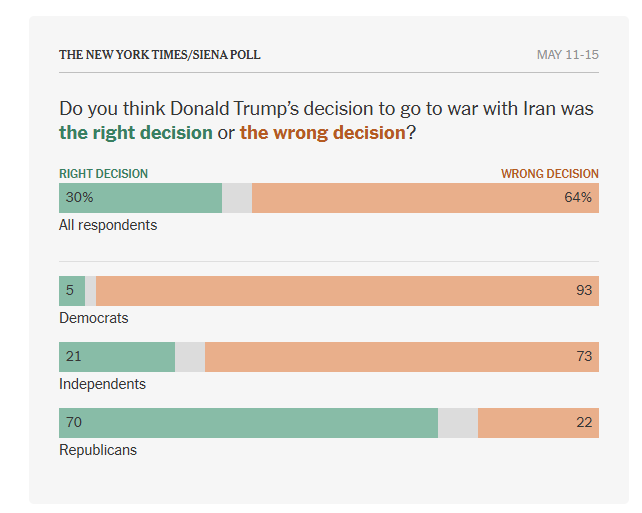
Several recent polls indicate weakening national support for Trump’s handling of both the economy and the Iran conflict. According to a Reuters/Ipsos survey, roughly two-thirds of Americans believe the administration has failed to clearly explain its goals in the Iran conflict.
Other polling summaries show Trump’s overall approval rating hovering in the high 30s to low 40s, with many independent voters expressing dissatisfaction over rising living costs and prolonged overseas tensions.
Political strategists warn that the situation resembles historical moments when foreign conflicts negatively affected the ruling party before midterm elections.
Rising Gas Prices Are Becoming a Political Problem
One of the biggest political threats facing Republicans may not be the war itself, but its economic consequences. Disruptions tied to the Strait of Hormuz and broader Middle East instability have contributed to rising oil and gasoline prices across the United States.
For many voters, especially suburban and working-class households, economic pressure often outweighs foreign policy achievements. Republicans originally hoped to focus their midterm messaging on tax cuts, inflation reduction, and economic growth. Instead, energy costs and geopolitical uncertainty are dominating headlines.
Recent commentary from both conservative voters and analysts suggests growing frustration over household expenses and concerns that the administration is prioritizing international conflict over domestic affordability.
Republicans Are Increasingly Divided Over Iran
The Iran issue has also exposed ideological divisions inside the Republican Party. Traditional foreign policy hawks continue supporting aggressive military action, while isolationist and “America First” conservatives question deeper involvement overseas.
Some prominent Republican voices have openly criticized the administration’s direction. Reports indicate that several GOP lawmakers are privately concerned that continued escalation could alienate moderate voters and weaken Republican candidates in swing districts.
This internal divide creates a difficult political balancing act. Republican candidates must appeal to Trump’s loyal base while also addressing broader voter concerns about inflation, war spending, and political instability.
Democrats See an Opportunity
Democrats are increasingly optimistic about their chances in the 2026 elections. Polling averages and generic congressional ballot surveys currently show Democrats holding a narrow advantage nationally.
Political analysts note that midterm elections historically favor the opposition party, especially during periods of economic dissatisfaction. If inflation remains elevated and the Iran conflict drags on, Democrats may gain additional momentum in key Senate and House races.
Several battleground states, including Georgia, North Carolina, Michigan, and Texas, are already being closely watched as potential tipping points in the fight for congressional control.
Trump’s Political Influence Still Remains Strong
Despite declining national numbers, Trump continues to maintain strong support among Republican voters. Polling still shows high approval within the GOP base, especially among conservative voters who view the administration’s Iran policy as a demonstration of strength.
That loyalty gives Trump enormous influence over Republican primaries and party messaging. However, analysts warn that midterm elections are often decided by independents, moderates, and turnout dynamics rather than party loyalists alone.
If economic conditions worsen or the conflict expands further, Republicans may face a difficult electoral environment similar to previous midterm backlashes experienced by both parties during overseas wars.
The 2026 Midterms Could Become a Referendum on Trump’s Leadership
The growing intersection of foreign policy, inflation, and voter frustration is turning the Iran conflict into more than just an international issue. For many Americans, it is becoming a test of leadership, economic management, and national priorities.
Republicans still hold significant structural advantages in several congressional races, but political momentum appears increasingly uncertain. Whether Trump can stabilize public opinion before November may determine not only the future of Republican control in Congress, but also the broader direction of American politics heading into the next presidential cycle.
As the campaign season intensifies, the administration’s handling of Iran — and its economic fallout — may become one of the defining political stories of 2026.