The United States is reportedly seeking a significantly larger strategic role in Greenland through closed-door negotiations that have raised concerns across Europe and within NATO. The discussions, tied closely to President Donald Trump’s renewed focus on Arctic security, represent one of the most aggressive American efforts to expand influence in Greenland in modern history.
While officials from Greenland and Denmark continue to insist that the Arctic territory is not for sale, ongoing negotiations suggest Washington is pursuing expanded military access, economic influence, and greater control over critical Arctic infrastructure.
Why Greenland Has Become Strategically Important
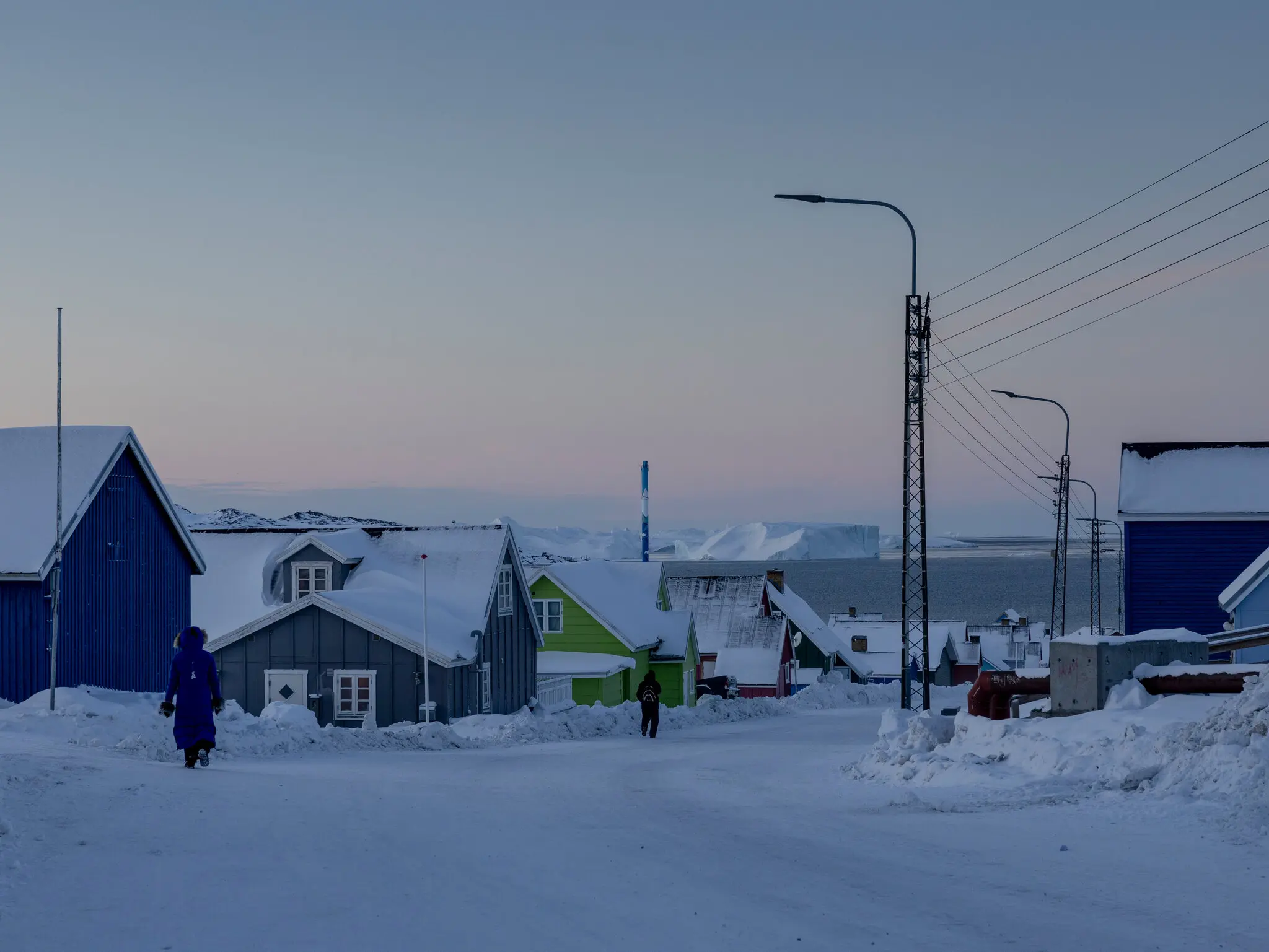
Greenland’s geopolitical importance has increased dramatically in recent years. Located between North America and Europe, the island occupies a critical position for Arctic defense, missile tracking, and shipping routes emerging from melting polar ice.
The United States already operates the Pituffik Space Base in northwestern Greenland under a long-standing defense agreement with Denmark. However, reports indicate that Washington is now exploring additional military installations and expanded surveillance capabilities throughout the territory.
Analysts say the Arctic has become an increasingly competitive region as Russia and China expand their presence there. American policymakers view Greenland as essential to maintaining military and technological superiority in the region.
President Trump has repeatedly argued that Greenland is vital for U.S. national security, especially for missile defense systems and Arctic monitoring operations.
Closed-Door Negotiations Raise Concerns
Recent diplomatic talks involving the United States, Denmark, and Greenland have reportedly included discussions about increasing U.S. military presence and potentially opening new American-controlled facilities on the island.
According to Reuters reporting, Greenland’s prime minister confirmed that security cooperation and military expansion are central parts of the negotiations. One proposal reportedly involves three new bases in southern Greenland, with discussions even touching on special sovereignty arrangements for American facilities.
These developments have alarmed some European allies who fear the situation could strain NATO unity and increase geopolitical tensions in the Arctic.
Greenland and Denmark Reject Sovereignty Pressure
Despite increased cooperation discussions, Greenlandic and Danish leaders have consistently rejected any suggestion of transferring sovereignty to the United States.
Greenland’s government has repeatedly stated that the territory is “not for sale” and cannot accept foreign takeover efforts “under any circumstances.”
Danish Prime Minister Mette Frederiksen and Greenlandic leaders have described some U.S. rhetoric as inappropriate and destabilizing. European allies including Britain, France, and Germany have publicly supported Denmark’s position on Greenland’s sovereignty.
Public demonstrations in Greenland earlier this year also reflected growing local opposition to American pressure campaigns. Protesters carried signs reading “We are not for sale” and “Greenland belongs to Greenlanders.”
Economic Interests Are Also Driving U.S. Attention
Beyond military strategy, Greenland’s natural resources have become increasingly attractive to global powers. The island contains significant reserves of rare earth minerals, graphite, uranium, and other critical materials essential for clean energy technologies and advanced manufacturing.
American officials view Greenland as strategically important for reducing Western dependence on Chinese-controlled mineral supply chains.
At the same time, Greenland is seeking foreign investment to support economic growth, tourism, and infrastructure development. However, local leaders have emphasized that investment partnerships must respect Greenlandic autonomy and environmental standards.
NATO Faces a Delicate Balancing Act
The Greenland issue has created unusual tensions inside NATO. While the alliance broadly supports strengthening Arctic security, many European governments remain uncomfortable with the aggressive tone of some U.S. proposals.
Several NATO countries have increased Arctic military coordination following Trump’s repeated statements about Greenland. Denmark also launched expanded Arctic defense initiatives in response to growing regional uncertainty.
Security experts warn that internal disputes over Greenland could complicate broader Western cooperation at a time when NATO is already managing challenges involving Russia, China, and global energy security.
Greenland Could Become the Center of a New Arctic Power Struggle
The negotiations over Greenland reflect a much larger global trend: the Arctic is rapidly becoming one of the world’s most strategically contested regions.
As climate change opens new shipping routes and resource opportunities, major powers are racing to establish military, economic, and diplomatic influence across the High North. Greenland now sits at the center of that competition.
While a formal transfer of sovereignty appears highly unlikely, Washington’s push for expanded influence signals that Greenland will remain a major geopolitical flashpoint in the years ahead.
The outcome of these negotiations could shape not only Arctic security, but also the future balance of power between the United States, Europe, Russia, and China.