The future of America’s military support for Taiwan has become increasingly uncertain after President Donald Trump suggested that a planned multibillion-dollar weapons package could be used as leverage in negotiations with China. The comments, made after Trump’s high-profile summit with Chinese President Xi Jinping in Beijing, have triggered concern among U.S. allies, lawmakers, and officials in Taiwan.
At the center of the controversy is a proposed $14 billion arms package that includes advanced missile defense systems and military equipment designed to strengthen Taiwan’s ability to deter potential Chinese aggression. While Congress has already supported the package, Trump indicated he has not yet decided whether to move forward with the sale.
Taiwan Fears Becoming a Bargaining Chip
Trump’s remarks raised alarm in Taipei after he described the weapons package as a possible “negotiating chip” during discussions with Xi Jinping. The statement marked one of the strongest signals yet that the administration may be willing to reconsider long-standing U.S. support for Taiwan as part of broader trade and diplomatic negotiations with Beijing.
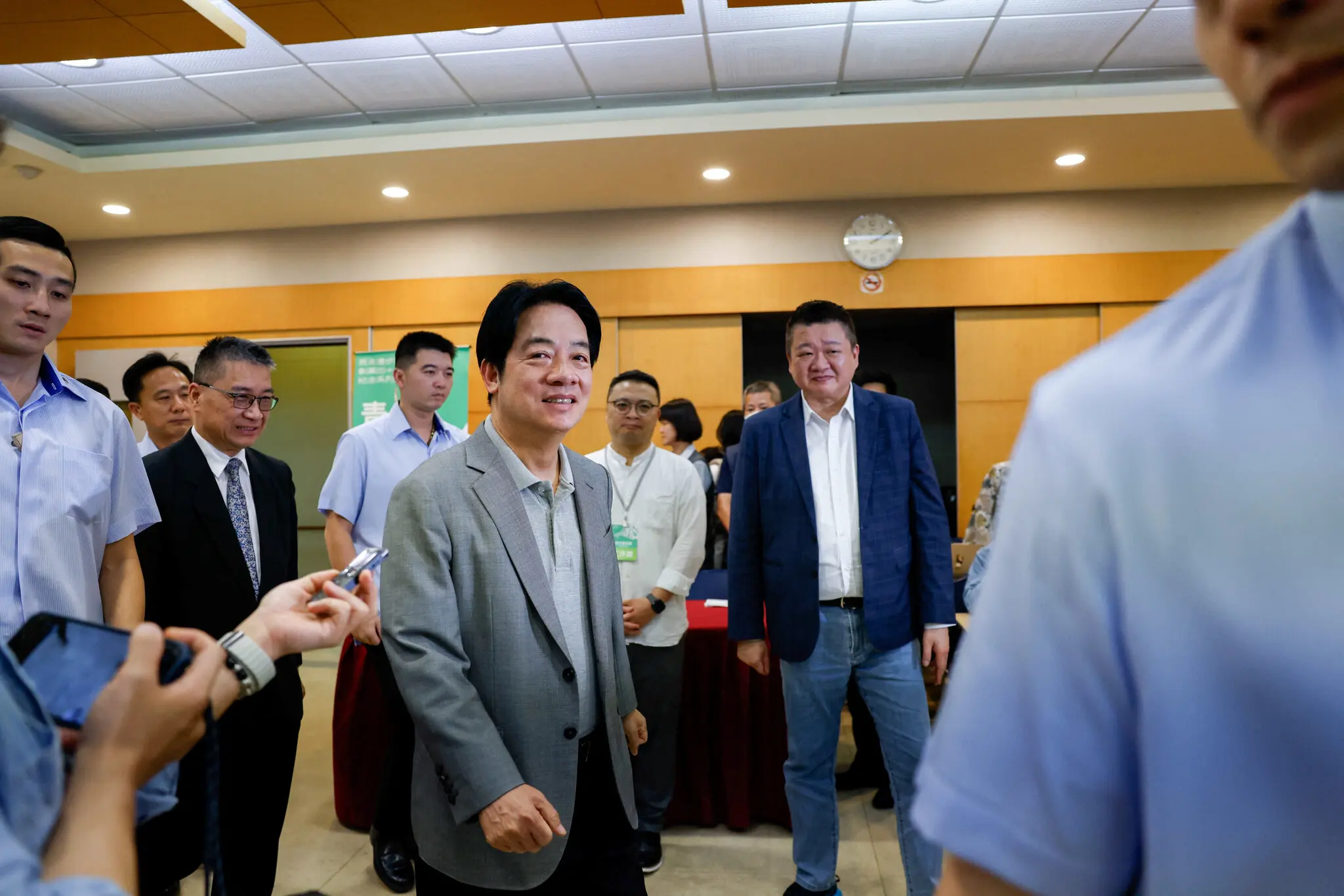
Taiwanese officials responded quickly. President Lai Ching-te emphasized that Taiwan “will not be sacrificed” and insisted that U.S. arms sales are a legal and strategic commitment under the Taiwan Relations Act.
Taiwan views American military support as essential for maintaining peace across the Taiwan Strait. The island’s government has repeatedly argued that strong defensive capabilities help prevent conflict rather than provoke it.
China Pressures the U.S. on Taiwan
China considers Taiwan part of its territory and has consistently opposed American weapons sales to the island. During the Beijing summit, Xi Jinping reportedly warned Trump that mishandling the Taiwan issue could lead to “clashes and even conflicts.”
Trump appeared to adopt a softer tone toward Beijing during the visit, suggesting that Taiwan should “cool it a little bit” and indicating he does not support formal Taiwanese independence.
Those comments fueled fears among security analysts that the White House may be shifting toward a more China-friendly interpretation of the long-standing “One China” policy.
Bipartisan Lawmakers Push Back
Trump’s uncertainty over the arms package has created rare bipartisan concern in Washington. Republican and Democratic lawmakers have urged the administration to proceed with the weapons deal, arguing that delaying military assistance could weaken deterrence and embolden China.
Several members of Congress warned that treating Taiwan’s security as a bargaining tool could undermine trust among American allies throughout Asia, including Japan, South Korea, and the Philippines.
U.S. Secretary of State Marco Rubio attempted to reassure allies by stating that official American policy toward Taiwan remains unchanged.
However, analysts say Trump’s personal comments have introduced significant uncertainty into regional diplomacy.
Taiwan’s Strategic Importance Goes Beyond Politics
Taiwan is not only a geopolitical flashpoint but also a critical center of the global technology industry. The island produces most of the world’s advanced semiconductors, making it strategically vital for the global economy.
Trump has repeatedly criticized Taiwan’s dominance in semiconductor manufacturing and pushed for more chip production to move to the United States.
Security experts warn that any weakening of U.S. support could destabilize global markets and increase military risks in the Indo-Pacific region.
Strategic Ambiguity Faces New Pressure
For decades, U.S. policy toward Taiwan has relied on “strategic ambiguity” — supporting Taiwan’s defense without explicitly guaranteeing military intervention in the event of a Chinese attack.
Trump’s comments after the Beijing summit have complicated that balance. Critics argue that uncertainty over arms sales may encourage Beijing to test American resolve while simultaneously increasing anxiety in Taiwan.
Supporters of the administration argue that keeping Beijing uncertain could strengthen America’s negotiating position and reduce the likelihood of direct confrontation.
The Taiwan Issue Could Define U.S.–China Relations
The debate surrounding the Taiwan arms package highlights the growing complexity of U.S.–China relations. Trade, military competition, technology, and diplomacy are becoming increasingly interconnected, making Taiwan one of the most sensitive issues in global politics.
Whether Trump ultimately approves the weapons sale may shape not only Taiwan’s security future, but also America’s credibility among allies across Asia.
As tensions continue to rise between Washington and Beijing, Taiwan remains at the center of one of the world’s most dangerous geopolitical rivalries.