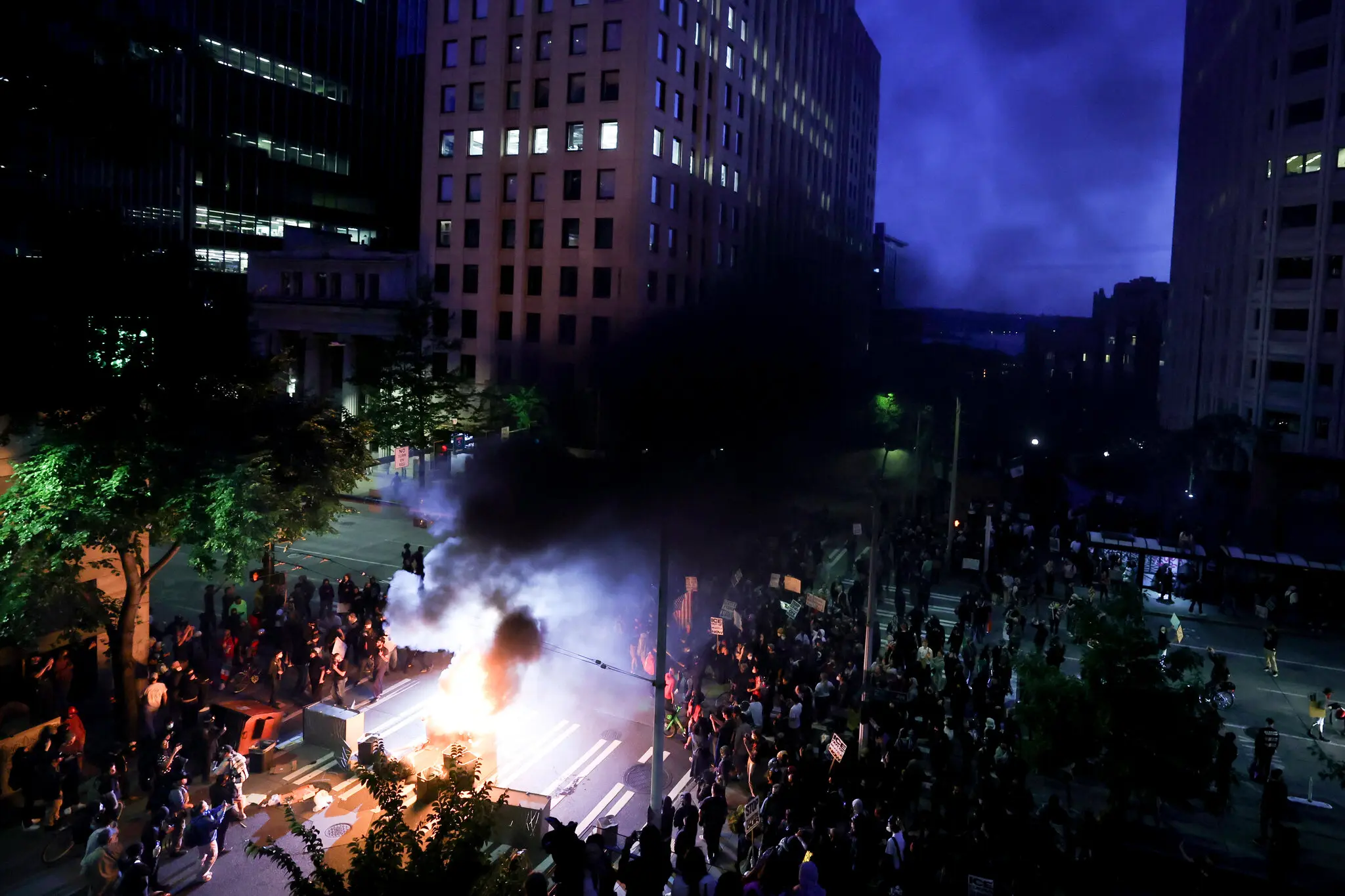
A growing federal legal battle is raising major constitutional questions about whether protesters can be treated as criminal conspirators simply for participating in demonstrations that later become chaotic or disruptive.
The case, now drawing national attention, centers on how federal prosecutors are increasingly using conspiracy-related charges against protest participants connected to immigration demonstrations and anti-government activism. Civil liberties advocates warn that the legal strategy could significantly expand government power to criminalize political protest in the United States.
The issue comes at a time of heightened political tension, expanding federal enforcement operations, and nationwide protests related to immigration policy and federal policing.
Why the Federal Case Matters
At the heart of the controversy is a legal theory that protesters may share criminal responsibility for actions taken by others in a crowd — even if they did not personally commit violent acts.
Federal prosecutors have argued in several recent cases that coordinated protest activity can qualify as conspiracy if participants allegedly worked together to obstruct government operations or interfere with federal officers. Critics say this interpretation dangerously blurs the line between protected political speech and organized criminal conduct.
One of the most closely watched examples involved the so-called “Broadview Six,” a group of protesters charged after demonstrations outside an Immigration and Customs Enforcement facility near Chicago. Prosecutors initially pursued felony conspiracy charges before later dropping the most serious count.
The case has become symbolic of a broader debate over how far the federal government can go in prosecuting protest movements.
Protesters Fear Expanded Government Surveillance
The controversy extends beyond criminal charges. Several protesters involved in immigration demonstrations have also sued the federal government over DNA collection practices used after arrests.
According to legal filings, demonstrators alleged that federal authorities collected cheek swabs and uploaded genetic data into national databases despite many protesters never being convicted of crimes. Plaintiffs argue the practice violates constitutional protections against unreasonable searches and chills First Amendment activity.
Civil rights organizations warn that aggressive surveillance tactics combined with conspiracy prosecutions could discourage Americans from participating in protests altogether.
The Rise of “Conspiracy” in Protest Cases
Legal experts note that conspiracy laws have historically been used in organized crime, terrorism, and gang-related prosecutions. Applying similar frameworks to protest movements represents a major expansion of federal enforcement philosophy.
Recent federal investigations linked to anti-ICE protests and immigration demonstrations show prosecutors increasingly examining whether activist groups coordinated efforts to obstruct federal operations.
Some right-wing commentators and political allies of the Trump administration have described protest movements using language associated with insurgency or extremism. Civil liberties advocates fear this rhetoric could influence future prosecutions and justify broader federal crackdowns on dissent.
First Amendment Advocates Sound the Alarm
Constitutional scholars argue that treating protesters as conspirators could fundamentally alter how free speech rights operate in America.
Under traditional First Amendment protections, individuals generally cannot be held criminally liable for the independent actions of others at political demonstrations unless prosecutors prove direct coordination or intent.
Critics worry that vague conspiracy theories could allow authorities to criminalize peaceful protest participation based on association alone.
Organizations focused on civil liberties say the outcome of these cases may shape future protests involving immigration, climate activism, labor movements, racial justice demonstrations, and anti-war organizing.
Federal Authorities Defend Their Approach
Federal officials argue that they are responding to increasingly organized efforts to disrupt law enforcement activities and federal operations.
Supporters of tougher enforcement say some demonstrations have gone beyond peaceful protest, pointing to incidents involving property damage, confrontations with officers, and attempts to block federal actions.
Authorities maintain that conspiracy laws remain an important legal tool when individuals coordinate unlawful activity under the cover of political protest.
In several recent protest-related investigations, prosecutors have emphasized that charges target alleged criminal conduct rather than political viewpoints.
The Outcome Could Shape Future American Protest Movements
The legal battles unfolding in federal courts could have consequences far beyond the current cases.
If courts broadly accept conspiracy-based protest prosecutions, future demonstrations across the political spectrum could face heightened legal risks. Protest organizers may become more vulnerable to criminal liability even when they do not directly engage in illegal activity.
On the other hand, if courts reject the government’s theories, the rulings could strengthen constitutional protections for protest movements and limit how aggressively federal prosecutors can pursue political activists.
As tensions over immigration, policing, and federal authority continue to rise, the courts may soon decide where the boundary lies between organized protest and criminal conspiracy in modern America.