
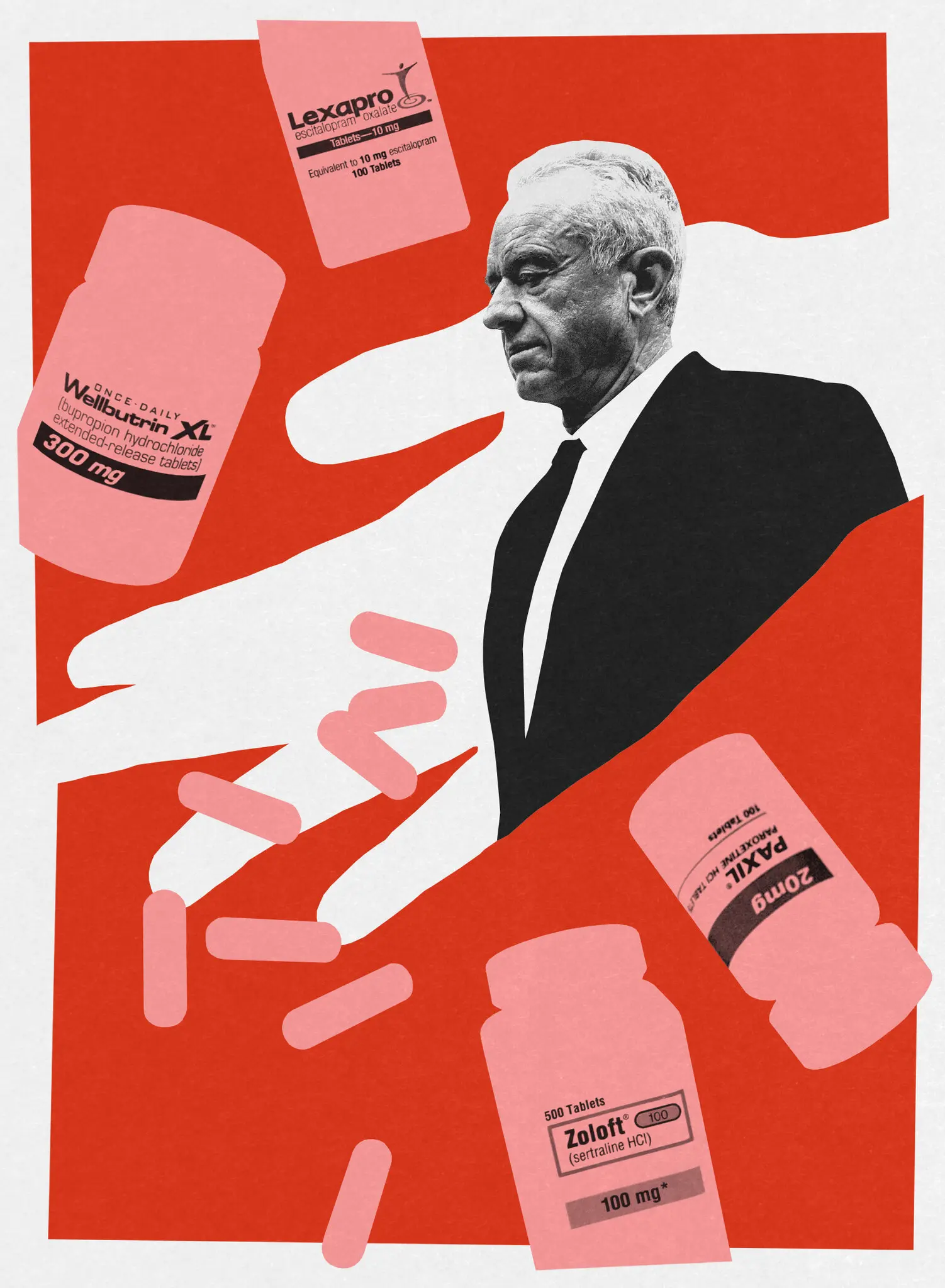
The debate around antidepressants and modern psychiatry has entered a new and highly political phase, driven in part by U.S. Health Secretary Robert F. Kennedy Jr. and his recent push to rethink the widespread use of SSRIs (selective serotonin reuptake inhibitors). What was once a largely clinical conversation has now become a national controversy involving policymakers, psychiatrists, and millions of patients.
SSRIs are among the most commonly prescribed antidepressants in the world, used by millions of people to manage depression, anxiety, and other mood disorders. Over the past few decades, they have become a first-line treatment in psychiatry due to their relative safety and effectiveness compared to older medications. However, recent discussions have raised questions about long-term use, withdrawal effects, and whether these drugs are being overprescribed.
RFK Jr. has positioned himself at the center of this debate by calling for a reduction in antidepressant use and encouraging what he describes as “deprescribing” practices. His approach focuses on reevaluating long-term prescriptions, promoting alternative treatments such as therapy, lifestyle changes, and social support, and increasing awareness of potential withdrawal challenges.
Supporters of this approach argue that modern healthcare systems often rely too heavily on medication as a quick solution. They claim that many patients are prescribed SSRIs without clear long-term plans, sometimes remaining on them for years or even decades without reevaluation. This has led to growing interest in how individuals safely taper off antidepressants and whether current medical guidelines are sufficient.
However, the psychiatric community remains deeply divided. Many mental health professionals warn that reducing access to antidepressants could harm patients who genuinely benefit from them. They emphasize that SSRIs have been proven effective in reducing symptoms of depression and lowering the risk of suicide in many cases. For these experts, the concern is not overuse of medication alone, but also the risk of under-treatment of serious mental health conditions.
Another key issue in this debate is withdrawal. Some patients report experiencing significant symptoms when discontinuing SSRIs, including anxiety, dizziness, insomnia, and emotional instability. While medical guidelines typically recommend gradual tapering, there is no universally accepted protocol, which has led to inconsistent patient experiences and growing calls for more structured approaches.
The controversy also reflects a broader shift in how society views mental health treatment. Increasingly, questions are being asked about whether psychiatry relies too heavily on pharmaceutical solutions and whether more holistic approaches should play a larger role. At the same time, critics warn against politicizing mental health care in ways that could undermine scientific evidence and discourage treatment.
Ultimately, the RFK Jr. SSRIs debate highlights a larger tension between public health policy, medical science, and patient experience. It raises difficult questions about how antidepressants should be prescribed, how long patients should remain on them, and what responsibility healthcare systems have in guiding individuals through both treatment and discontinuation.
As the discussion continues, one thing is clear: antidepressants are no longer just a medical tool—they have become part of a much bigger conversation about how society understands mental health, medication, and long-term well-being.