
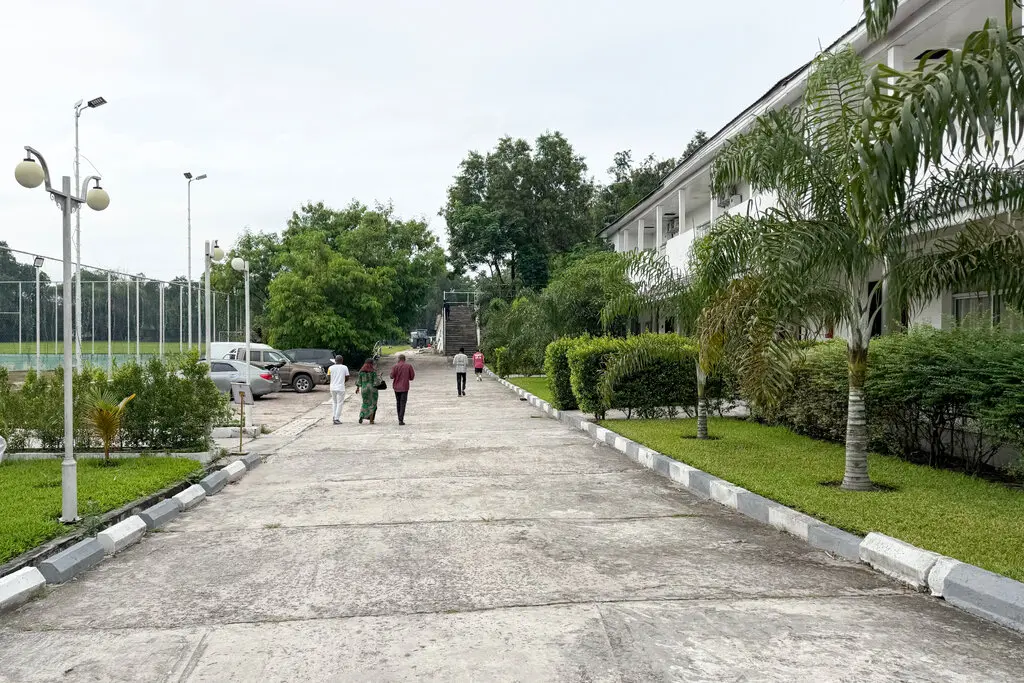
A federal judge has intensified scrutiny over the Trump administration’s deportation practices after reports emerged that migrants were being sent from the United States to countries in Africa and Latin America, including the Democratic Republic of Congo, under third-country agreements that are now facing mounting legal and humanitarian challenges.
The case has drawn attention to a broader immigration strategy that allows the U.S. to deport individuals to nations they are not from — a policy that has triggered court battles, international criticism, and questions about due process.
Judge Pushes Back on Expanding Deportation Strategy
The latest legal developments come amid growing judicial intervention in immigration enforcement, with federal courts ordering reviews or returns in cases where deportations may have violated legal protections.
In one recent ruling cited in related proceedings, a federal judge ordered the administration to return a Colombian woman who had been deported to Congo despite protections against removal to her home country due to safety risks.
Judges have raised concerns that:
- Some deportees were sent to countries with unstable security conditions
- Individuals may have had existing legal protections against removal
- Due process standards were not consistently followed
- Government agreements with third countries lacked transparency
Third-Country Deportations Under Scrutiny
The deportation system at the centre of the controversy relies on agreements with countries such as Congo and other African states to accept migrants who are not citizens of those nations.
Reports indicate that:
- Migrants have been transferred to detention-like facilities upon arrival
- Some individuals are later encouraged or pressured to return to their home countries
- Legal representation and asylum access are limited in transit countries
- The agreements are often negotiated with financial or diplomatic incentives
Human rights groups argue that the system creates legal ambiguity and risks violating international protections for asylum seekers.
Cases Highlight Legal and Humanitarian Concerns
Several cases tied to the policy have already reached federal courts, with judges ordering government action in response to disputed deportations.
Key concerns raised include:
- Deportations occurring despite prior court protection orders
- Medical or humanitarian vulnerabilities of deported individuals
- Lack of clarity over legal status after arrival in third countries
- Potential indefinite limbo in transit nations such as Congo
In some instances, courts have required the government to report back on steps taken to return deported individuals or review the legality of their removal.
Congo Becomes Central to Deportation Arrangements
The Democratic Republic of Congo has emerged as a key destination in the administration’s third-country deportation framework.
Reports suggest:
- Migrants are housed under supervision in designated accommodation
- The International Organization for Migration assists with logistics
- Individuals are given limited options: remain temporarily or return to home countries
- Conditions vary depending on diplomatic and funding arrangements
The arrangement has drawn criticism due to Congo’s ongoing internal instability and humanitarian pressures.
Broader Immigration Policy Shift Under Trump Administration
The deportation cases form part of a wider immigration enforcement strategy that includes:
- Expansion of third-country removal agreements
- Increased use of expedited deportation procedures
- Legal challenges over due process and asylum protections
- Greater cooperation with foreign governments on migration control
Supporters argue the policy is necessary to manage migration flows and enforce immigration law, while critics say it risks bypassing established legal safeguards.
Political and Legal Tensions Intensify
The issue has become a flashpoint between the executive branch, federal courts, and advocacy groups.
Key tensions include:
- Judicial rulings limiting or reversing deportation decisions
- Accusations of executive overreach in immigration enforcement
- Ongoing litigation challenging third-country agreements
- Debate over the limits of presidential authority in migration policy
Conclusion
The latest developments underscore a growing conflict between immigration enforcement policy and judicial oversight in the United States. As deportation practices expand to include third-country transfers, federal courts are increasingly intervening to assess legality, due process, and humanitarian impact.
With additional cases still under review, the legal and political battle over the Trump administration’s deportation strategy is expected to intensify further.