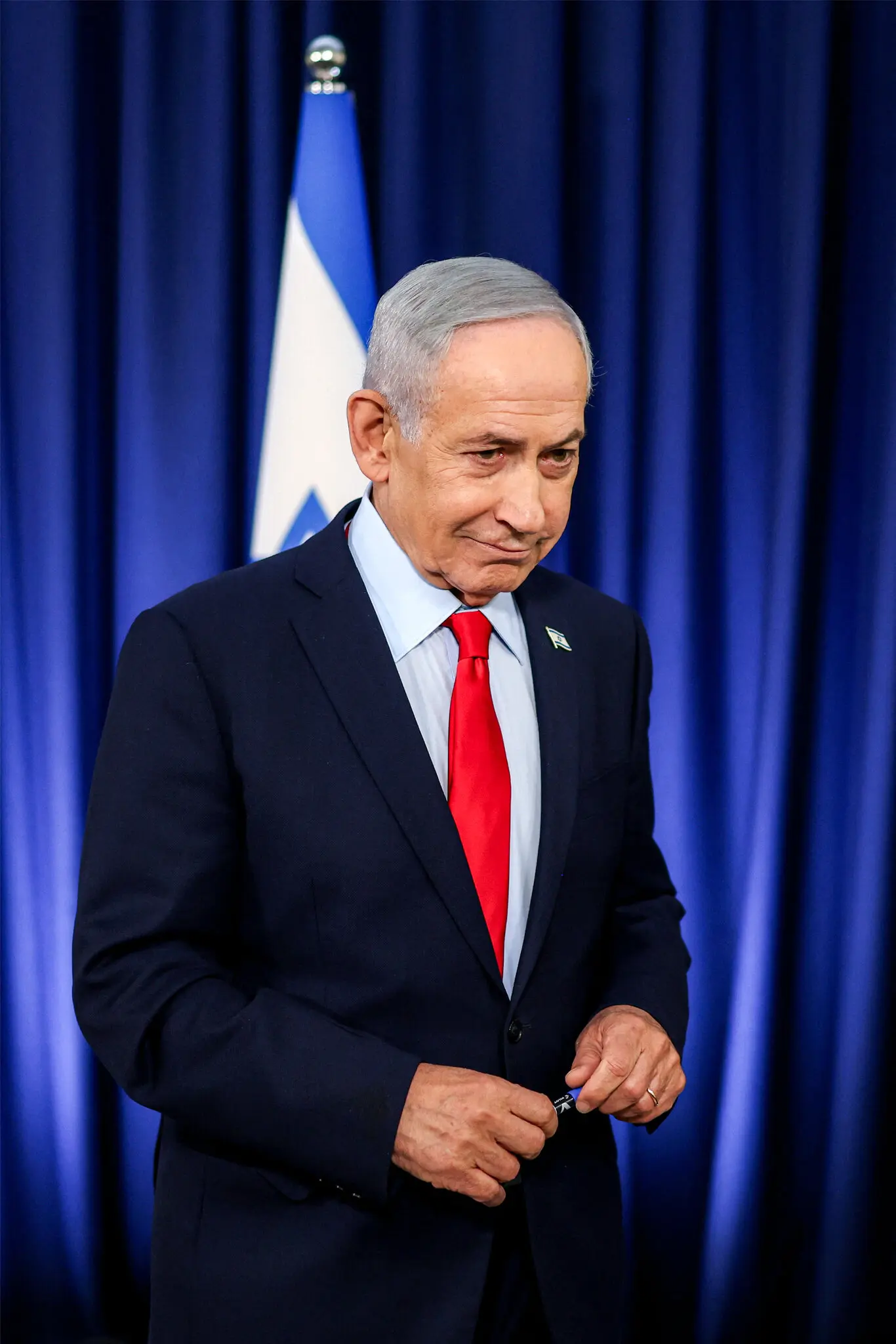
Israeli Prime Minister Benjamin Netanyahu is navigating one of the most challenging periods of his leadership as renewed fighting with Iran and continued military operations in Lebanon test both Israel’s security strategy and its relationship with the United States.
While President Donald Trump has intensified efforts to broker a ceasefire and revive negotiations with Iran, Netanyahu has insisted that Israel must retain the freedom to act against threats from Iran and Hezbollah, highlighting growing differences between the two allies.
Trump Calls for Restraint as Regional Tensions Rise
President Trump has publicly urged both Israel and Iran to halt military operations, warning that continued escalation could undermine diplomatic progress.
According to recent reports:
- Trump called on both sides to “immediately stop shooting.”
- He urged Netanyahu to avoid retaliatory strikes that could derail negotiations.
- The White House continued to support diplomatic efforts while maintaining security cooperation with Israel.
- U.S. officials described the situation as highly fragile despite temporary pauses in fighting.
Although Washington remains Israel’s closest ally, recent statements suggest increasing U.S. frustration over actions that could expand the conflict.
Netanyahu Maintains Security-First Approach
Despite international pressure, Netanyahu has defended Israel’s military campaign, arguing that operations against Iranian-backed groups remain essential for national security.
Israeli officials maintain that military objectives include:
- Reducing Iran’s regional military capabilities.
- Preventing Hezbollah from strengthening its position in Lebanon.
- Protecting northern Israeli communities from missile and drone attacks.
- Preserving Israel’s ability to respond rapidly to future threats.
The government has indicated that while temporary pauses may be possible, Israel will continue acting whenever it believes its security is at risk.
Lebanon Remains a Major Source of Instability
Although direct exchanges between Israel and Iran have slowed at times, the conflict in Lebanon continues to present significant challenges.
Recent developments include:
- Israeli strikes targeting Hezbollah positions.
- Rocket and drone attacks launched from southern Lebanon.
- Ongoing displacement of civilians near the border.
- Continued diplomatic efforts aimed at preventing a wider regional war.
Analysts warn that renewed fighting in Lebanon could quickly undermine broader ceasefire efforts involving Iran.
Growing Differences Between Washington and Jerusalem
The latest crisis has exposed policy differences between Trump and Netanyahu regarding the pace and scope of military action.
Key points of disagreement include:
- The timing of Israeli retaliatory operations.
- Whether diplomacy should take priority over additional strikes.
- The role of Lebanon within wider regional negotiations.
- Long-term strategy toward Iran and its regional allies.
Despite these disagreements, both governments continue to coordinate on broader security issues and share the objective of limiting Iran’s regional influence.
Regional and Global Implications
The conflict continues to affect more than military affairs.
Its wider impact includes:
- Increased volatility in global energy markets.
- Higher concerns over security in the Strait of Hormuz.
- Ongoing humanitarian challenges in Lebanon.
- Continued uncertainty for regional diplomatic negotiations.
International leaders continue to encourage dialogue, warning that further escalation could have significant economic and security consequences.
Looking Ahead
Diplomatic discussions remain active, but the situation continues to change rapidly. While temporary pauses in fighting have reduced immediate tensions, no comprehensive agreement has been reached to address the broader issues involving Iran, Israel, and Hezbollah.
The coming weeks are expected to determine whether current negotiations can develop into a more durable framework for regional stability or whether the conflict will return to another cycle of military escalation.
Conclusion
The latest developments illustrate the delicate balance between diplomacy and security in the Middle East. As President Trump pushes for negotiations and Prime Minister Netanyahu prioritises Israel’s security concerns, the conflict involving Iran and Lebanon remains one of the world’s most closely watched geopolitical crises.
Although recent diplomatic efforts have prevented a broader escalation for now, lasting stability will depend on sustained negotiations and continued restraint from all parties involved.