The war between Russia and Ukraine has expanded further into civilian energy infrastructure, with Ukrainian gas stations becoming targets in a growing campaign aimed at disrupting daily life, transportation, and economic activity. The attacks highlight how fuel networks have become a critical part of modern warfare, affecting civilians, businesses, and military logistics across Ukraine.
Gas stations, once viewed mainly as commercial facilities serving communities, are now increasingly vulnerable because fuel supplies are essential for transportation, emergency services, agriculture, and military operations. The strikes are adding another layer of pressure to a country already dealing with years of conflict and infrastructure damage.
Gas Stations Become Strategic Targets in Ukraine War
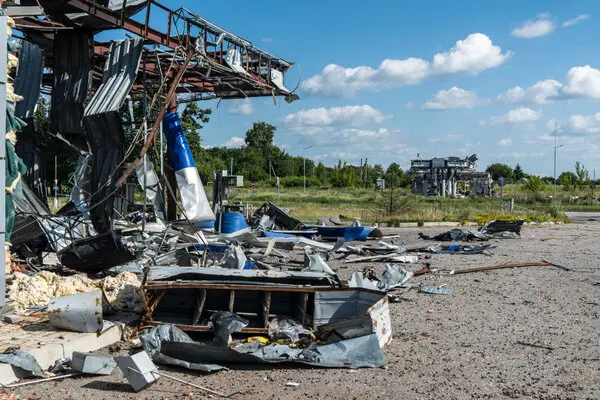
Russia has increased attacks on Ukrainian fuel infrastructure, including gas stations in several regions. Reports indicate that hundreds of petrol stations have been targeted, particularly in frontline and strategically important areas such as Kharkiv, Sumy, Donetsk, Dnipropetrovsk, Zaporizhzhia, and Poltava.
The attacks have been carried out using drones and aerial weapons, with Ukrainian officials saying the goal is not only military disruption but also creating pressure on civilian communities by affecting access to essential services.
Fuel availability directly influences everyday life. When stations are damaged or forced to close, residents face longer travel times, transportation difficulties, and additional economic stress.
Why Fuel Infrastructure Matters During Wartime
Fuel networks are among the most important systems in any modern conflict.
Gas stations support:
- Civilian transportation
- Emergency response vehicles
- Agricultural equipment
- Delivery networks
- Military logistics
Disrupting fuel supplies can slow economic activity and make it harder for communities to function normally.
For Ukraine, maintaining fuel access is especially important because the country depends on transportation networks to move humanitarian supplies, repair infrastructure, and support military operations.
Russia’s Strategy: Pressure Beyond the Front Lines
The attacks on fuel facilities reflect a broader strategy of targeting infrastructure rather than only military positions.
Energy systems, power facilities, transportation hubs, and fuel networks have become major parts of the conflict because they influence a country’s ability to continue operating during wartime.
Ukrainian officials have argued that strikes on gas stations and other civilian infrastructure are designed to increase public pressure and weaken morale.
Russia has also faced attacks on its own energy infrastructure, including oil refineries and fuel facilities, as Ukraine expands long-range drone operations against targets inside Russian territory.
Ukraine Responds With Defensive Measures
As attacks continue, Ukrainian authorities and businesses have introduced measures to protect fuel facilities.
Some gas stations have strengthened security procedures, improved monitoring systems, and added protective barriers where possible. Near frontline areas, operators have sometimes reduced operating hours because of safety risks.
However, protecting thousands of fuel stations across a large country remains extremely difficult, especially against drone attacks that can strike quickly and unpredictably.
Impact on Ukrainian Citizens
For ordinary Ukrainians, attacks on fuel infrastructure create practical problems.
Fuel shortages or damaged stations can affect:
Daily Transportation
Workers, students, and families depend on fuel availability for travel.
Emergency Services
Ambulances, rescue teams, and public services require reliable fuel supplies.
Agriculture and Food Production
Farmers rely on fuel for planting, harvesting, and transporting goods.
Business Operations
Companies involved in logistics and manufacturing can face higher costs when transportation becomes more difficult.
The impact extends beyond the physical damage to stations, affecting confidence and economic stability.
Russia’s Own Fuel Problems Increase
While Russia continues targeting Ukrainian infrastructure, its own energy sector has also faced disruption from Ukrainian strikes.
Recent reports indicate that Russian oil product exports declined sharply after attacks on refineries and fuel production facilities. The reduction contributed to domestic fuel concerns and prompted government measures aimed at protecting internal supplies.
Ukraine has increasingly focused on Russian energy infrastructure as part of a strategy to reduce Moscow’s ability to finance and sustain the war.
The Growing Role of Drone Warfare
The conflict has demonstrated the growing importance of drones in modern warfare.
Both Russia and Ukraine are using drones because they are relatively inexpensive compared with traditional military systems and can reach targets far from active battlefields.
Energy infrastructure has become a preferred target because damage can create economic and logistical consequences without requiring large-scale ground operations.
The continued use of drones suggests that infrastructure protection will remain one of the biggest challenges for governments during future conflicts.
Global Energy Market Concerns
Although Ukraine is not one of the world’s largest fuel exporters, attacks on energy infrastructure contribute to broader concerns about global energy security.
Markets closely monitor disruptions involving major producers such as Russia because changes in fuel production or exports can influence prices worldwide.
The conflict has shown how energy systems are interconnected and how attacks on infrastructure in one region can affect international markets.
What Happens Next?
The future of Ukraine’s fuel infrastructure depends on several factors:
- The intensity of future Russian attacks
- Ukraine’s air defense capabilities
- International support for infrastructure protection
- The broader direction of peace negotiations
As the war continues, protecting civilian infrastructure will remain a major challenge for Ukraine.
Conclusion
Russia’s attacks on Ukrainian gas stations show how modern conflicts increasingly target the systems that support everyday life. Fuel infrastructure has become a key battlefield because it affects transportation, the economy, emergency services, and military operations.
For Ukraine, maintaining reliable fuel access is essential for national resilience. For the wider world, the attacks demonstrate how energy infrastructure has become one of the most important strategic assets in modern warfare.
As the conflict continues, the battle over fuel networks is likely to remain a major factor shaping both humanitarian conditions and military strategies.