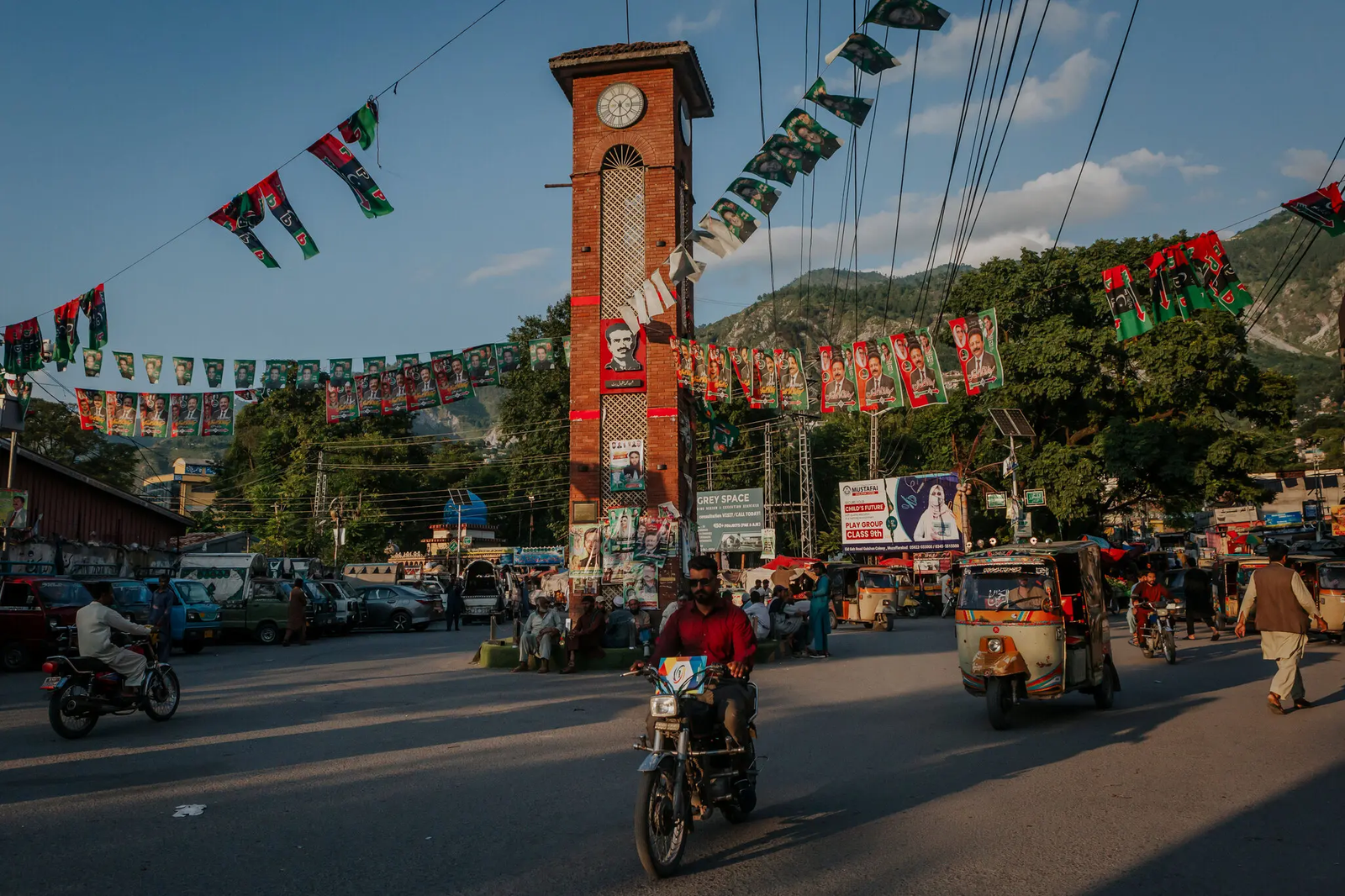
Political tensions have intensified in Pakistan-administered Kashmir as protests linked to the Jammu Kashmir Joint Awami Action Committee (JAAC) continue to challenge regional authorities and disrupt political activities. Rawalakot has become one of the key centers of demonstrations as anger grows over governance issues, economic concerns, and disputes surrounding the electoral process.
The unrest has attracted national and international attention because it combines long-standing public grievances with an already sensitive election environment. Clashes, accusations from opposing sides, and questions over political representation have increased pressure on authorities to find a peaceful solution.
Rawalakot Emerges as a Major Protest Center
Rawalakot has become a focal point of demonstrations organized by supporters of JAAC, a civic movement that has raised demands related to political rights, economic reforms, and regional governance. The protests have also spread to other areas, creating wider disruption across Pakistan-administered Kashmir.
Reports indicate that clashes during the election period resulted in casualties and increased tensions between protesters and security forces. Different sides have presented competing explanations about responsibility for the violence.
What Is the JAAC Movement?
The Jammu Kashmir Joint Awami Action Committee is a grassroots coalition that brings together different civic groups, including traders, transport workers, lawyers, students, and community representatives.
The movement has previously focused on issues such as:
- Economic relief
- Electricity and energy concerns
- Reduced government privileges
- Greater public participation in decision-making
- Political reforms
Supporters describe JAAC as a public rights movement demanding accountability and better governance, while government officials have accused some elements of attempting to disrupt elections and public order.
Election Disputes Increase Tensions
The protests intensified during regional elections, creating a challenging environment for authorities. Political parties and activists have raised concerns about election management, representation, and transparency.
Reports indicate that voting was affected by unrest, security concerns, and protests. Opposition groups have questioned the credibility of the process, while officials have defended their efforts to maintain stability.
The controversy has highlighted deeper questions about how political power is structured in the region and whether residents feel adequately represented.
Clashes Between Protesters and Security Forces
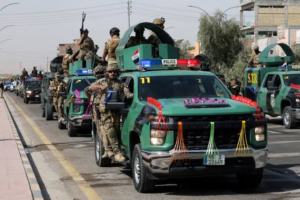
The most serious developments have involved confrontations between protesters and security forces.
Authorities have claimed that some demonstrations became violent and that armed groups were involved. Officials have argued that security measures were necessary to protect public safety and maintain the election process.
Meanwhile, protest groups and rights organizations have raised concerns about the use of force and called for investigations into deaths and injuries reported during the unrest.
Economic Issues Behind the Protests
Although the immediate trigger has been linked to political and election-related disputes, the movement is also connected to broader economic frustrations.
Residents have raised concerns about:
Rising Living Costs
Higher prices for essential goods and household expenses have increased public pressure.
Energy Issues
Electricity pricing, resource management, and local development have remained important issues in regional politics.
Employment and Economic Opportunities
Many young people in the region have expressed frustration over limited job opportunities and economic challenges.
These concerns have contributed to growing dissatisfaction with existing governance structures.
Government Response and Political Challenges
Authorities have responded by increasing security measures and attempting to restore normal conditions. Government officials have argued that maintaining law and order is necessary during a sensitive political period.
However, critics argue that addressing the underlying causes of public frustration will require political dialogue rather than only security measures.
The challenge for authorities is balancing stability with the need to address legitimate public concerns.
Impact on Pakistan’s Political Landscape
The Rawalakot protests have created additional pressure for Pakistan’s political leadership.
The situation affects several areas:
Regional Governance
The unrest has raised questions about decision-making and representation in Pakistan-administered Kashmir.
Public Trust
Violence and election disputes can weaken confidence in political institutions.
National Politics
Political parties are using the crisis to debate governance, democracy, and government accountability.
International Attention and Human Rights Concerns
The protests have drawn attention from international observers and rights groups because of reports of casualties, communication restrictions, and clashes.
Human rights organizations have called for transparent investigations and protection of peaceful political expression.
The situation has also become part of the wider international discussion surrounding Kashmir’s political future and governance challenges.
What Happens Next?
The future of the crisis will depend on whether authorities and JAAC representatives can return to negotiations.
Possible developments include:
- Dialogue between government officials and protest leaders
- Electoral reforms
- Economic policy changes
- Continued protests if demands remain unresolved
Analysts suggest that long-term stability will require addressing the deeper political and economic concerns that have fueled public anger.
Conclusion
The Rawalakot protests represent a significant political challenge in Pakistan-administered Kashmir. What began as demands over governance and economic issues has developed into a broader crisis involving elections, public trust, and security concerns.
The coming weeks will determine whether dialogue can reduce tensions or whether continued confrontation creates deeper instability.
For lasting peace and stability, observers say the focus must move beyond managing protests and toward addressing the economic and political issues driving public dissatisfaction.