Saudi Arabia and Yemen’s Iran-backed Houthi forces exchanged fresh attacks on September 17, 2026, as fighting in Yemen intensified and the wider Middle East conflict continued to spread. The escalation is creating new risks for civilians, regional security, international shipping and global energy supplies.
The latest fighting comes after the Houthis rapidly expanded their control along Yemen’s Red Sea coast and around the strategic Bab el-Mandeb Strait. More than 100,000 people have been displaced by the recent fighting, according to the International Organization for Migration.
Saudi Arabia Launches Airstrikes in Yemen
Houthi-controlled media reported fresh Saudi airstrikes on Thursday in Hajjah province, near the Saudi border and Red Sea coast, as well as around Taiz farther south.
The Houthi military has claimed that Saudi Arabia conducted hundreds of airstrikes in recent days. Saudi Arabia has not publicly confirmed every reported strike, while Yemen’s internationally recognized government has acknowledged military operations against Houthi positions.
The renewed Saudi military activity follows the rapid advance of Houthi forces across western Yemen.
Houthis Launch Missiles and Drones
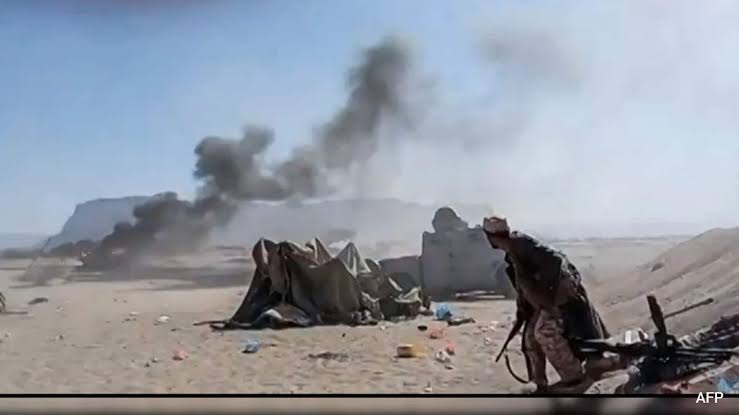
The Houthis have responded with missile and drone attacks against Saudi targets.
Houthi military spokesman Yahya Saree said the group targeted Yanbu, a major Saudi Red Sea oil port, and Khamis Mushait, where the King Khalid Air Base is located. The Houthis have also claimed attacks against Saudi military and energy infrastructure.
The claims of individual attacks are not independently verified in all cases.
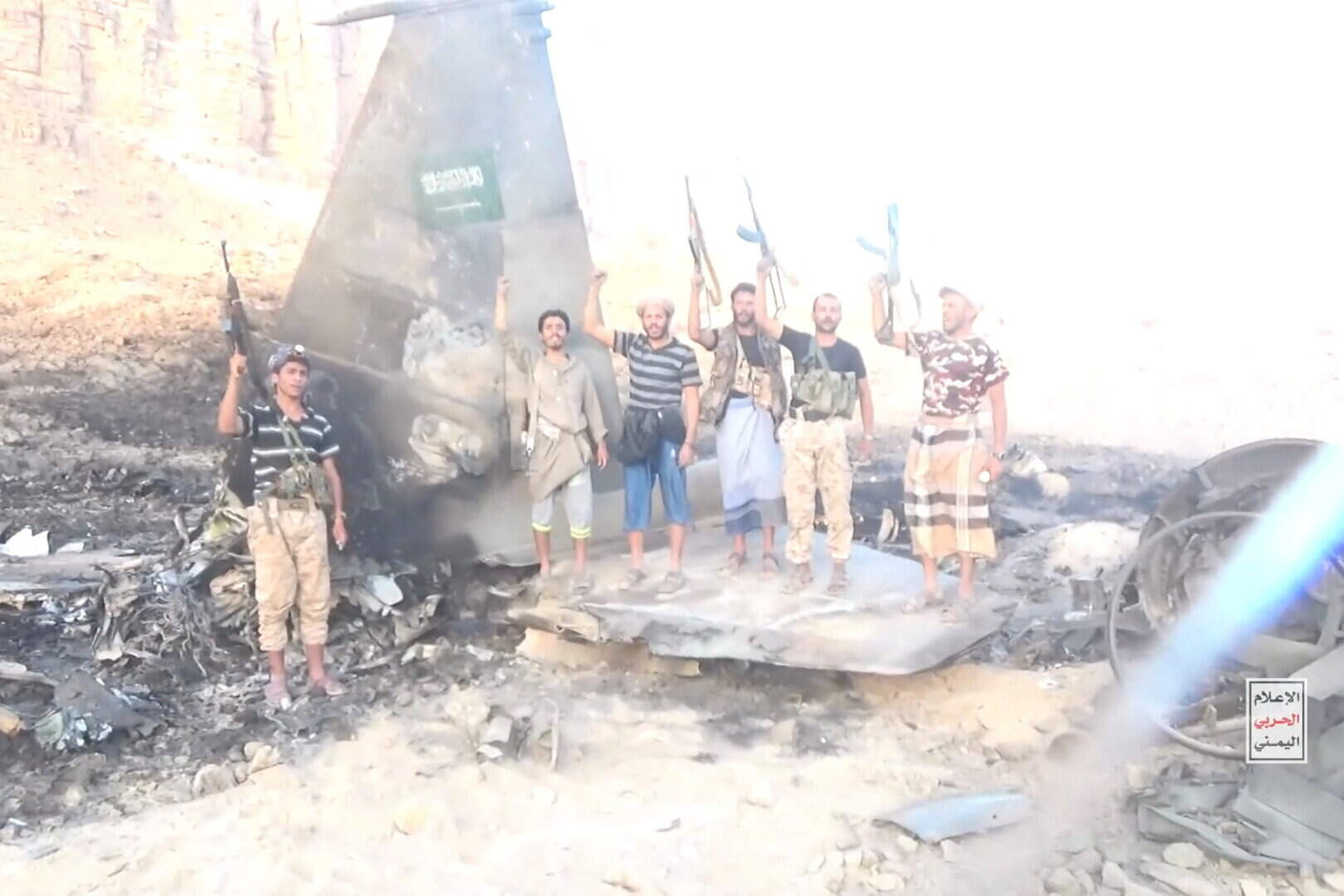
The Houthis have also claimed that they shot down a Saudi F-15 fighter jet over Yemen. Saudi authorities have not confirmed the claim, and independent verification remains unavailable.
Drone Debris Kills One Person in Saudi Arabia
Saudi civil defense said debris from an intercepted Houthi drone killed one Yemeni person and injured a Saudi citizen and a Pakistani national in Taif province.
The debris also damaged vehicles and buildings, according to Saudi officials. This is the first death Saudi Arabia has publicly reported from the recent series of Houthi attacks. More than 80 people had previously been reported injured.
The development follows Saudi Arabia’s recent claim that it intercepted a Houthi drone south of Mecca. The Houthis denied that they were targeting the holy city.
More Than 100,000 Yemenis Displaced
The escalating conflict is having a major humanitarian impact.
The International Organization for Migration estimates that more than 100,000 people have been displaced by the latest fighting, most of them within Yemen. Some civilians have attempted to escape the violence by crossing the Red Sea toward Djibouti.
The journey across the Bab el-Mandeb Strait is particularly dangerous because the area has become a major military and strategic focus.
The humanitarian situation could worsen if fighting continues along Yemen’s western coastline.
Bab el-Mandeb Becomes a Major Concern
The Houthis’ rapid advance has given them control of much of Yemen’s Red Sea coast and strategic islands near the Bab el-Mandeb Strait.
Bab el-Mandeb connects the Red Sea with the Gulf of Aden and is an important route for international shipping between Europe, Asia and the Middle East.
The growing Houthi presence around the waterway has raised concerns about the safety of commercial vessels. The group has said it intends to target Saudi-linked shipping while leaving some other international shipping unaffected, but the security situation remains uncertain.
Global Oil Supplies Face New Pressure
The conflict is also affecting global energy markets.
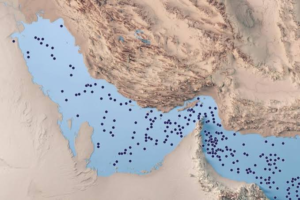
The Strait of Hormuz is already severely disrupted by the wider Iran war. At the same time, the conflict in Yemen is threatening another major route for Gulf energy exports.
Saudi Arabia’s East-West oil pipeline, which provides an alternative route for transporting crude toward the Red Sea, remains closed after being hit in an earlier attack.
The combination of disruptions around Hormuz, the Red Sea and Saudi oil infrastructure has increased concerns about global energy supplies.
Oil prices have remained above $100 per barrel, while U.S. diesel prices have reached record levels.
Saudi Arabia Seeks International Support
Saudi Arabia is facing increasing pressure as its air-defense systems and military resources come under strain.
The kingdom has asked several countries for assistance with missile defense, including France, Britain, Pakistan and Egypt, according to officials cited by the Associated Press. The United States is providing diplomatic and security support but has so far avoided direct military intervention against the Houthis.
The situation is complicated by the fact that U.S. weapons stocks are also under pressure because of the ongoing war with Iran.
China Urges Iran to Rein In the Houthis
Diplomatic efforts are also emerging.
Reuters reported on September 17 that China has privately asked Iran to help restrain the Houthis after Saudi Arabia appealed to Beijing for assistance. Saudi officials turned to China because the Houthi advance has increased risks to Saudi oil exports and shipping around Bab el-Mandeb.
Whether Iran can or will influence Houthi military decisions remains uncertain, but the Chinese diplomatic effort shows how the Yemen conflict is becoming part of a wider international crisis.
What Happens Next?
Several developments will determine how the situation evolves:
- Whether Houthi attacks against Saudi Arabia continue
- Whether Saudi Arabia expands its air campaign
- Whether the Houthis maintain control of Yemen’s Red Sea coast
- Whether commercial shipping through Bab el-Mandeb is disrupted
- Whether Saudi oil infrastructure can return to normal operation
- Whether China, Oman and other countries can support diplomatic efforts
- Whether the United States becomes more directly involved
A prolonged conflict could increase pressure on oil markets while worsening the humanitarian crisis in Yemen.
Conclusion
The latest exchange of strikes between Saudi Arabia and the Houthis represents another major escalation in Yemen’s rapidly developing conflict. Houthi attacks against Saudi targets and Saudi airstrikes in Yemen are occurring alongside a broader Middle East war that is already disrupting energy markets.
The situation is particularly significant because of the Houthis’ growing presence around the Bab el-Mandeb Strait, one of the world’s important maritime chokepoints. At the same time, Saudi oil infrastructure and the Strait of Hormuz are facing disruption.
For civilians, the consequences are already severe, with more than 100,000 people displaced by the latest fighting. For the global economy, continued disruption could mean higher oil prices, shipping costs and energy-related inflation.
The coming days will show whether diplomatic efforts can slow the escalation or whether the fighting creates an even wider regional crisis.